

5 Of North America's Least Visited National Parks For A Remote Outdoor Getaway
America's best idea will always remain the national park system. It's such a good idea that since the founding of Yellowstone National Park in 1872, hundreds of beautiful national parks around the world have been established. And that includes North America, where our beloved (seriously, we love you, Canada!) Great White North neighbor has plenty of its own. Such is the popularity of national parks, however, that some of the more famous ones can get crowded with Americans, Canadians, and just about every nationality you can name. While big hitters like Banff, Yellowstone, and the Grand Canyon are most certainly worth a visit, there are dozens of national parks that get very few visitors. But not because they're ugly (could there really be an "ugly" national park?), but largely because they're remote, hard to reach, or just relatively unknown.
We've chosen five distinct national parks scattered across North America that receive relatively few visitors but definitely deserve more attention (respectfully, of course). From the frozen tundra to subtropical islands, North America's vast natural landscapes are among its greatest resources, and these parks play an important role in preserving them. Lesser visited almost never means less worthy, especially when it comes to these underrated adventure destinations in North America.
Gros Morne National Park, Newfoundland and Labrador
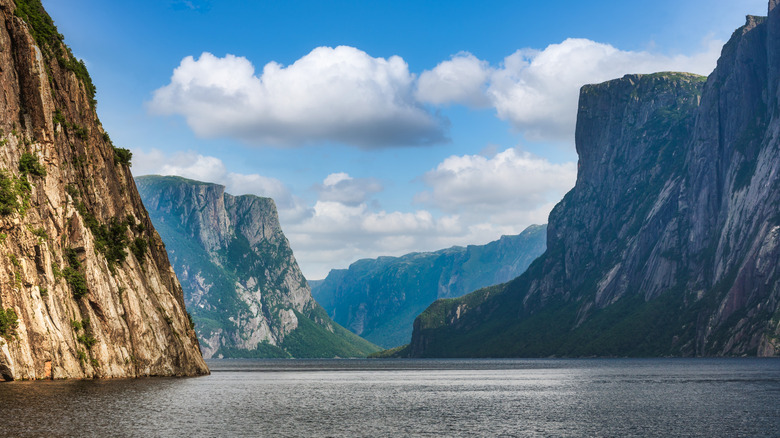
Canada has a lot of lesser-visited national parks, primarily because so many of them are far from major cities and therefore quite difficult to reach. One of these is Gros Morne National Park in Newfoundland and Labrador, which receives fewer than 250,000 visitors a year. This scenic Canadian national park ideal for outdoor adventures is a UNESCO World Heritage Site with highlights like high cliffs, rugged coastlines, unique rock formations, dense forests, and one of North America's most incredible fjord landscapes. The spectacular Western Brook Pond feels like being in Norway, with its towering walls and waterfalls that flow into the lake (once a saltwater fjord connected to the sea).
You can reach Gros Morne National Park by car after flying into Newfoundland or by ferry. It's best to have a car for easier exploration in this rural region. Rent one in Deer Lake, home to an eponymous regional airport about 30 minutes from the park, or in Newfoundland's capital, St. John's, although the latter requires a much longer drive. You can also rent a car in Port aux Basques, where the ferry from Nova Scotia lands, about three hours from Gros Morne. The town of Rocky Harbour is one of the best bases for exploring the park, especially if you want more amenities. However, the five campgrounds throughout the park also have bathrooms and hot showers. Why not immerse yourself in this incredible wilderness? (Just remember to book ahead!) As of this writing, daily admission to Gros Morne costs $12.25 CAD for adults and $10.75 CAD for seniors during the regular season, while visitors under 17 are free.
Congaree National Park, South Carolina
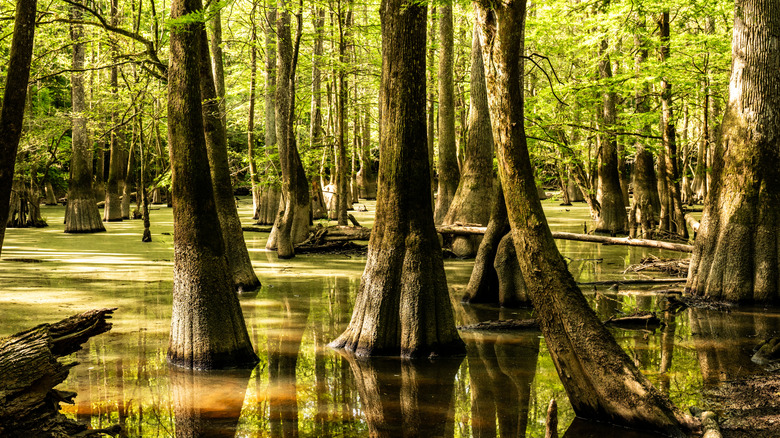
You don't always have to travel far from urban areas to find a quieter national park. Case in point, Congaree National Park in South Carolina. About two hours from Charleston and 30 minutes from the state capital of Columbia, Congaree recorded just under 288,000 recreation visits in 2025. As an oasis of biodiversity with relatively few visitors, it's a great place to escape the bustle of the city. And what a wilderness it is, all year long! You seriously need to visit Congaree in the wet season (usually in the winter), when the flooded cypress forests feel like a marshy fairyland. It's also the perfect place to see fall foliage, with trees lighting up in bright yellows and oranges.
If those spectacles weren't enough, Congaree offers another short-lived phenomenon in late spring. The forest is filled with fireflies after dark throughout the warmer months (can you say magical?), but in May, one species is known to flash in synchrony during its mating season. Due to the popularity of this event and the delicate firefly habitat, Congaree National Park hosts a yearly lottery for vehicle passes to its Synchronous Firefly Event. The event requires advance registration, and lottery winners must pay an event fee. Check the official park website for future dates and lottery details. Otherwise, Congaree National Park has free admission for all visitors.
Sirmilik National Park, Nunavut
There are a lot of beautiful places in Canada to visit. For some of the most remote beauty, it's best to head north. Specifically, to Sirmilik National Park in the territory of Nunavut, along the coastline of Baffin Bay. This particular national park is so remote that it receives only a tiny number of visitors in some years. While the harsh conditions and far-flung location aren't for everyone, if you do make the effort, you'll be highly rewarded at this lesser-visited national park in North America for truly remote outdoor adventures.
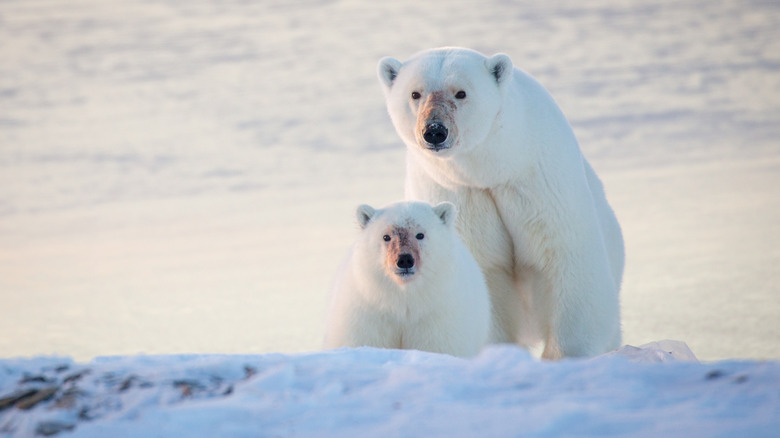
The park is a wildlife lover's paradise. On Bylot Island, seabirds reign supreme, while the surrounding Arctic waters are home to seals, belugas, narwhals, and other marine animals. The edge of the ice attracts polar bears, making the park known as "one of the most prolific wildlife gathering areas in the Arctic" (via International Parks). This is all crowned by stark northern beauty full of floating icebergs, towering glaciers, and unique rock formations. The many glaciers are how Sirmilik got its name: It means "place of glaciers" in Inuktitut, an Inuit language.
To reach Sirmilik, you first need to fly to the remote, primarily Inuit communities of Pond Inlet or Arctic Bay. From there, you'll need a boat or snowmobile to reach the park. Most visitors head there as part of a larger expedition or through a licensed outfitter. Select cruise ships also pass by Sirmilik. Visitors must register with Parks Canada before entering the park and check out after their trip. Day excursions cost $17.75 CAD per person for commercial groups or $4.75 CAD for educational groups, while overnight backcountry excursions cost $37 CAD per person, per night.
Channel Islands National Park, California
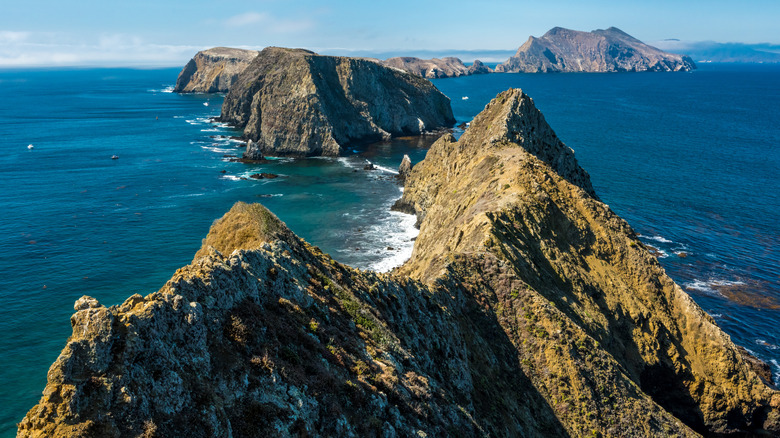
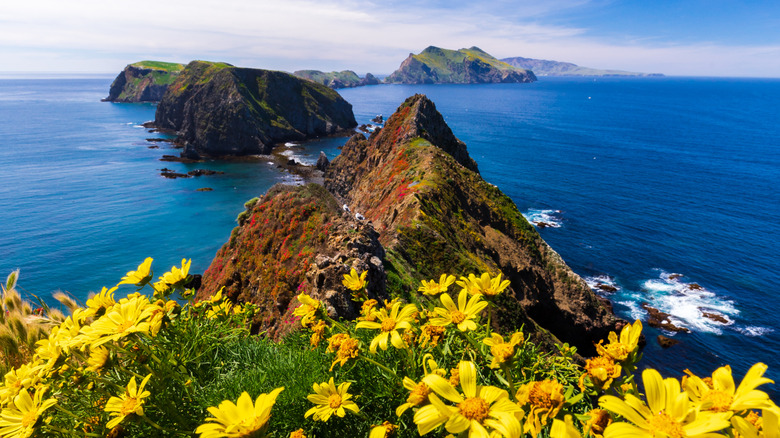
California is, unsurprisingly, home to the most national parks in America. Of the nine, iconic, world-famous parks like Yosemite and Death Valley get the most attention. However, there's another park worthy of your attention, and that's Channel Islands National Park, which clocked about 227,000 recreation visits in 2025. Considered one of California's most underrated coastal destinations (according to locals!)! and featuring some of the most dramatic shorelines in the country, Channel Islands proves that even California's lesser-visited parks are dramatic destinations in their own right. Known as the "Galápagos of North America," the Channel Islands are home to over 2,000 plant and animal species, including over 100 found nowhere else on the planet. Keep an eye out for blue whales, tiny island foxes, and more during your visit! Rare wilderness is also preserved throughout Channel Islands, both on land (coast and cliffs), under the waves (kelp forests), and everything in between (sea caves).
Like many of the parks on this list, Channel Islands is not the easiest to reach. To visit these five islands off the Southern California coast (San Miguel, Santa Rosa, Santa Cruz, Anacapa, and Santa Barbara), you'll need a boat. Either bring your own or book a trip with Island Packers Cruises. The nearest town to the islands is Ventura, where Island Packers ferries depart from Ventura Harbor. While there is no park admission fee, you'll have to pay for transportation: Expect to shell out around $63 per person.
Dry Tortugas National Park, Florida
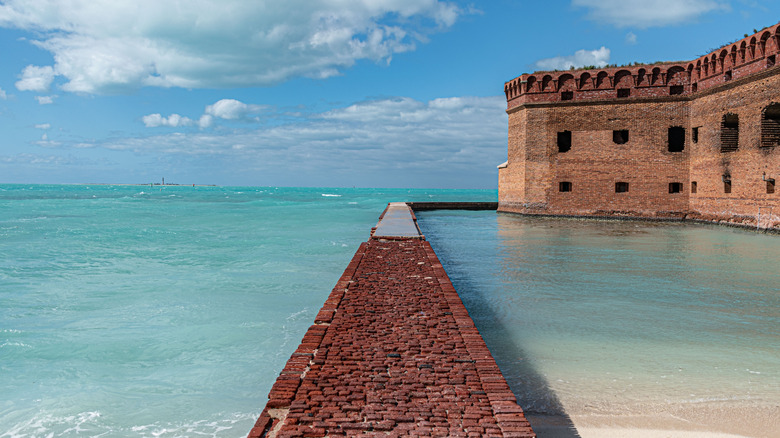
If you're looking for a national park that's a great destination fall bor beach lovers, look no further than Dry Tortugas, the Florida national park that's almost completely underwater. While around 99% of Dry Tortugas is protected water, the rest consists of seven small islands with sandy beaches, wildlife habitats, and historic sites. The park is home to a variety of seabirds and vibrant marine life in the surrounding coral reefs. On Garden Key, the main island visitors explore, you can also visit the historic Fort Jefferson, originally built in the mid-1800s by the U.S. Army.
Dry Tortugas is about 70 miles west of Key West, Florida — and yes, you'll need a boat or seaplane to reach the park! The Yankee Freedom ferry docks at Garden Key. When you book a spot on the ferry, you'll also get complimentary snorkeling equipment. Fishing, diving, and water sports like kayaking are also permitted in designated areas. The park recorded about 89,000 recreation visits in 2025, making it one of the country's lesser-visited national parks. Note: The park entrance fee for Dry Tortugas is $15 per person for seven days, but the cost is already included in Yankee Freedom ferry tickets. Adult day trips start at $260 as of this writing, so transportation will be the bigger expense for most visitors.