

One Of North America's Least Visited National Parks Is Truly Remote For Outdoor Adventures
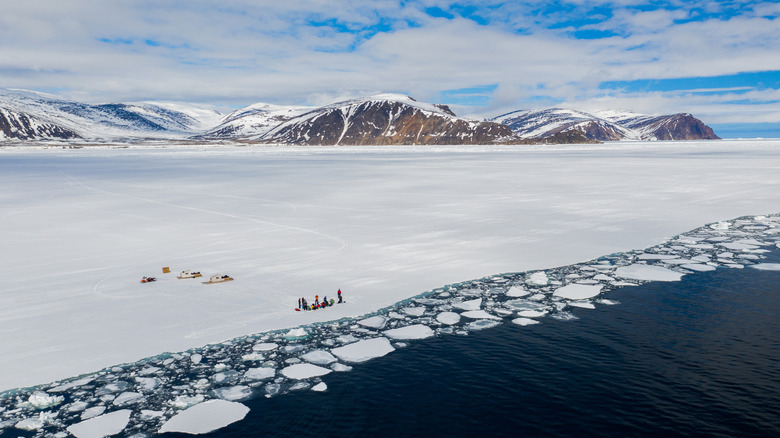
When it comes to sheer variety of landscapes to choose from, you can't ask for much better than Canada's national parks. From the rocky coastlines and freshwater lakes of Pukaskwa National Park in Ontario to the prairies and badlands of Grasslands National Park in Saskatchewan, Canada is a land of plenty. For those looking for a real wilderness experience where you can escape the crowds, look no further than Sirmilik National Park on the northeastern coast of Nunavut's Baffin Bay. The glacial landscape here may be beautiful, but make no mistake, this is a bleak and inhospitable place with snow and ice for as far as the eye can see. That is why, much like this other remote gem for outdoor adventure, it's one of North America's least visited national parks, receiving only an estimated six visitors in 2023.
Covering 8,571 square miles, the park is divided into three sections: Bylot Island, with its mountains and glaciers; Oliver Sound, with its iceberg-filled waters; and Borden Peninsula and its unexpected hoodoos. Long, dark, bitterly cold winters give way to short, cool summers when the sun shines nearly 24 hours a day. Despite these harsh conditions, an abundance of wildlife and birdlife can be found here, but wildlife watching is just one of many activities in Sirmilik. There are also opportunities for hiking, skiing, mountaineering, glacier trekking, and paddling, showing there's more to these outer reaches of the Canadian wilderness than meets the eye. Visiting Sirmilik is by boat or snowmobile from the small communities of Pond Inlet or Arctic Bay. But you'll first need to take a flight from Iqaluit with Canadian North to reach either of these destinations.
Outdoor adventures in Sirmilik National Park
There are several ways to enjoy the wild, pristine landscape of mountains, glaciers, valleys, and waterways in Sirmilik National Park, and the wonderful wildlife that inhabits it. But with a short window to fit it all in, you'll have to time it right. A floe edge safari is a must. Best enjoyed from late April to early June, it puts you where the solid sea ice meets open water. Polar bears, seals, and birds gather around the floes, and we recommend a guided trip to enjoy the experience safely.
Birdwatchers won't be disappointed, especially around Bylot Island Migratory Bird Sanctuary. A major nesting site for more than 40 species of migratory birds, including the largest colony of Greater Snow Geese in the world, who leave the warm climates of Europe, Africa, and South America behind. Visitors are encouraged to keep note of the birds they see to help monitor numbers, range, and behavior. Bylot Island is particularly good for hiking, glacier walking, and ski touring through the valleys and mountains. Because there are no designated hiking trails, you'll need a topographic map, good navigation skills, or better still, a local guide.
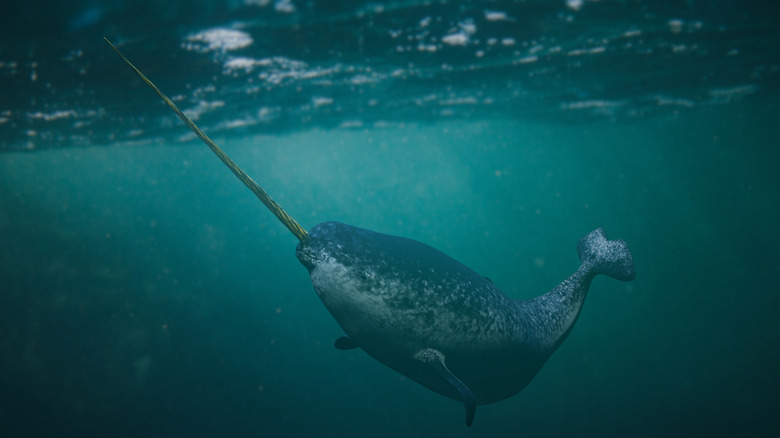
Late July to early September is the best time to go sea kayaking, particularly around Oliver Sound. Because of rapidly changing weather conditions including strong winds and fog, you'll need to have a fair bit of experience and be able to deal with tides and floating ice. The rewards on a clear day are worth it, with the chance of seeing icebergs, narwhals, belugas, and perhaps Arctic foxes, hares, and caribou inland.
Visiting the Inuit communities
Despite its remote location, Sirmilik is far from lacking community spirit. Inuit live in nearby Pond Inlet and Arctic Bay and help manage the park jointly with Parks Canada under the Nunavut Agreement. While the Inuit don't live in the actual park, they do continue to use it for hunting, fishing, and trapping, much like their ancestors have done for thousands of years. If you're planning your own excursion, licensed outfitters, many of whom are Inuit, are based in both towns and can provide transport. Plus they know both the land and surrounding waters reassuringly well.
As you explore the landscape, you may discover certain archaeological remains, such as tent rings and fox traps. These are protected sites and shouldn't be disturbed. At the Nattinnak Visitor Centre in Pond Inlet, find out more on Inuit culture and history through their interpretive displays. You can also find out more on local events happening, or buy traditional soapstone carvings from visiting artists to take home as a souvenir.
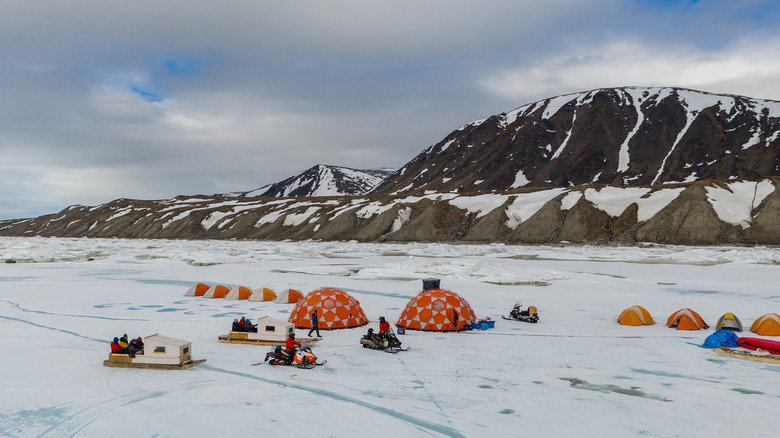
With no designated campsites in the park, you're pretty much left to your own devices and can choose where you pitch your tent. Avoid archaeological sites, wildlife habitat areas, and rockfall zones. No fires are allowed, so along with your backcountry camping gear, you'll need to bring a stove, polar bear-proof food storage, especially if you're camping near the coast, and be able to pack everything back out. The Sauniq Hotel in Pond Inlet or Taqqut Hotel in Arctic Bay can provide a comfortable bed and meals if self sufficiency isn't your style. Otherwise consider booking a multi-day expedition with tour operators such as Black Feather or Arctic Kingdom.