

This Highly Underrated Canadian National Park Has Scenic Trails, Camping, And Wild Bison
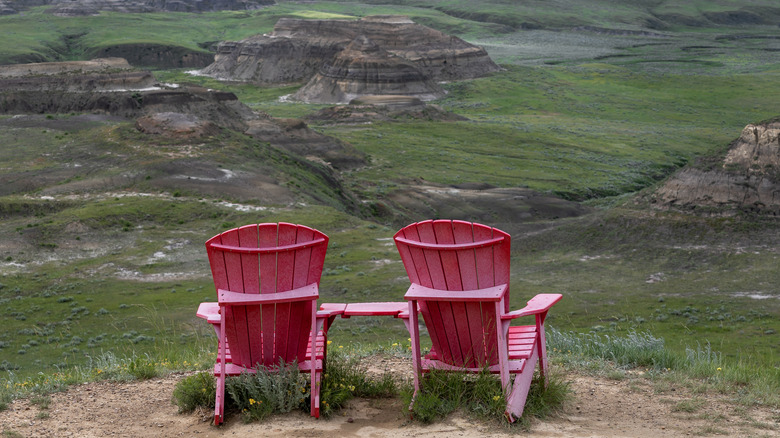
As Canada rises to the top of global reputation rankings and prepares to welcome more international visitors than ever before, there's never been a better time to explore the vast and varied landscapes within its borders. It also happens to be one of the safest countries for travelers to visit. Much of the country's natural beauty can be found across its 48 national parks and park reserves. But while Banff National Park, popular for its jagged snowy peaks and bright turquoise glacial lakes, takes center stage in many epic Canada road trip itineraries, there's one park that has remained relatively overlooked in comparison: Grasslands National Park.
The golden prairie landscape and sculpted badlands of Grasslands National Park are just as striking, with the added bonus of a distinct lack of crowds. It's also one of the few places in Canada where you can see wild bison roaming free. You'll find quiet trails winding through rare ecosystems, some of the country's elusive native wildlife, and backcountry camping under some of the darkest skies in Canada.
Established in 1981, Grasslands National Park lies in Saskatchewan along the U.S. border, on the traditional lands of the Nakoda, Nehiyawak, and Niitsitapi peoples. The park is divided into two separate blocks. The West Block is near the village of Val Marie, and you can reach the East Block from SK-18 W. Grasslands National Park is remote to say the least, and you'll need a car to get there. The nearest airport is in Regina, Saskatchewan's capital city, but it's still a good four-hour drive before you reach the park.
The West Block of Grasslands National Park
The blocks may be only around 100 miles apart, but each one has its own distinct character. In the West Block, you can get out into the wilderness in the comfort of your own vehicle on the Ecotour Scenic Drive, which leads you through vast plains and river valleys on a 50-mile round trip from the visitor center in Val Marie. It's from this road that you can access many of the park's trails, including the Eagle Butte and 70-mile Butte Loop, an easy 3-mile trail that takes you through the grasslands, blooming with wildflowers between May and July. If you're planning a camping trip, the Frenchman Valley Campground is located right in the heart of the prairie, although the sites need to be reserved.
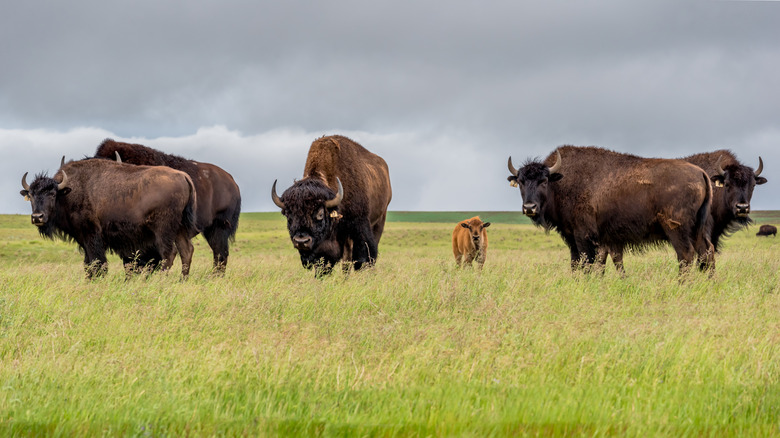
Come evening, get ready to see stars, and lots of them. This is one of the darkest and largest Dark Sky Preserves in Canada. You're also welcome to explore the more remote backcountry zones in the park with a permit, which gives you a great chance of seeing the park's bison. Reintroduced in 2005, these magnificent animals make an impressive sight as they make their way across the landscape. Check out these other national parks where you can see wild bison.
Other wildlife to look out for includes coyotes and the rare black-tailed prairie dog. Less welcome encounters may include rattlesnakes, so if you are heading out on the trails, sturdy boots and snake gaiters are recommended. Maps are available at the visitor center, which is open from mid-May to mid-October. For free entry into the park and discounted camping, the Canada Strong Pass, which is available during the summer months, gives you free admission to all Parks Canada sites.
The East Block of Grasslands National Park
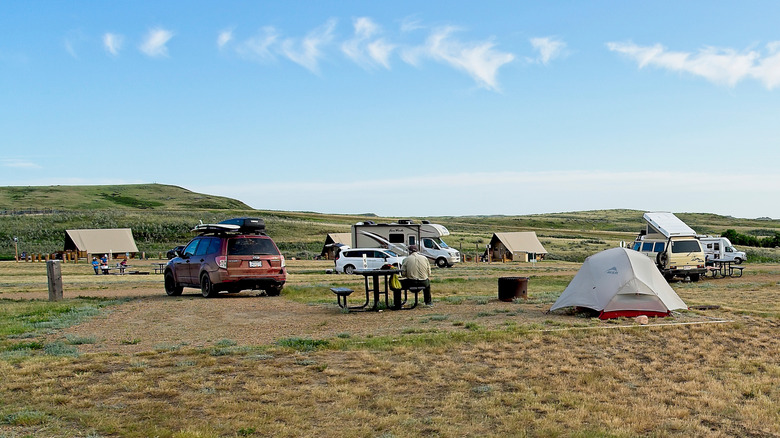
The East Block is the more remote side of the park and is accessed near Wood Mountain. The visitor center is located at Rock Creek Campground, where you'll find several campsites and access to the trails. You may have the same view of the Milky Way to gaze at come nightfall, but during the day, you'll see a landscape defined more by layered rock formations and wide-open prairie.
To get into the heart of it all, head out on the remote Valley of 1,000 Devils Trail. Considered fairly difficult, you'll need a good sense of direction and plenty of water when you head out on this seven mile route, which can sometimes be as much as 10° hotter than in other areas of the park. Along the way, you'll pass gullies and ravines typical of badlands landscapes, as well as the aptly named Hellfire Creek. Study the rock layers closely, as this area was one of the first places in Canada where dinosaur fossils were found. But if you do make any interesting discoveries, do leave them where you found them; fossils are protected. To dig a little deeper and learn more about prehistoric discoveries, park staff organize "Fossil Fever" events, where small groups get the fabulous opportunity to learn from real paleontologists.
You won't see any bison or prairie dogs on this side, but you may spot mule deer or pronghorn moving across the plains. It's also a spectacular place for birdwatching, where if you're very lucky, you may come across the greater sage grouse or burrowing owls. Unfortunately, both of these birds are quite rare, so if you do happen to see any, be sure to let park staff know.