

4 French Restaurant Rules American Tourists Break Within The First 10 Minutes
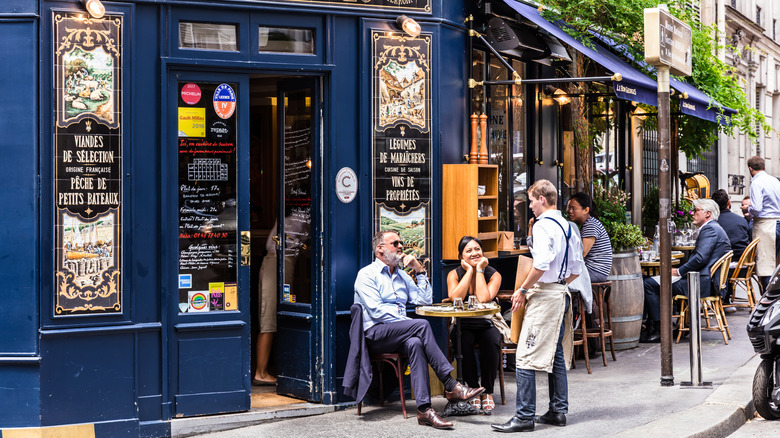
If you were asked which country is best known for its fine dining and culinary etiquette, chances are France would be top of the list. With comforting classics such as boeuf bourguignon and heavenly desserts like crème brulée, eating at a French restaurant is as much about the experience as it is the food. Having lived in France for the past 20 years, I've devoured more than a few French delicacies, and one of life's greatest pleasures has been traveling from region to region, discovering new mouth-watering specialties everywhere from informal beachside huts to Michelin-starred restaurants. France is very much a multi-cultural country and international influences have found their way onto menus, bringing a modern twist to more traditional French dishes. One thing that hasn't changed, though, is the importance the French place on dining etiquette. Learning to avoid a few faux pas can make all the difference to your French restaurant experience.
One thing to realize before you head out is that, unlike in the U.S. where food is served all day, most French restaurants have strict opening hours. Lunch is usually between 12 p.m. and 2 p.m., after which they stay closed until around 7 p.m. Some may only serve lunch, some only dinner, some will be closed on a Monday, and surprisingly, some shut down for a couple of weeks during summer. It always pays to ring ahead, check opening times, and, while you're at it, play it safe and reserve a table. To help you further, here are four mistakes American tourists can avoid when dining at a French restaurant.
Not waiting to be seated
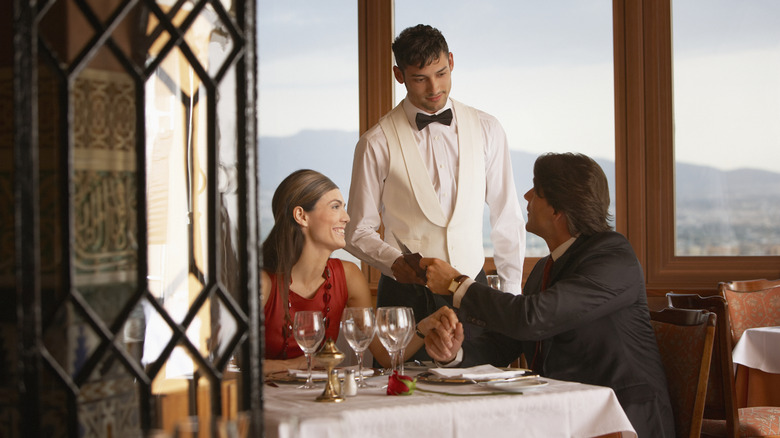
One thing you shouldn't do when you arrive at a French restaurant is grab your own table. Some more casual cafés may let you choose, but as a rule, you should always wait to be seated. You may have to wait a while or you may get a seat straight away, but seating will already be planned and you don't want to get off to a bad start by taking that inviting table by the window which has been kept for someone else (another reason it pays to reserve). Once you've been seated, you can get down to the important task of ordering a refreshing apéritif and start deciphering the menu. Although it's always satisfying to order in French, most restaurant staff speak English and it's politeness over perfection of the language that's most important.
Another couple of things that help get your first ten minutes off to a good start are not being late and saying hello. Often, if you're not there around 15 minutes after your reservation, you risk losing your table, especially if it's a busy restaurant. If you're running late, make sure to let them know. Saying "hello" may seem like a natural reaction but sometimes, it can feel a little intimidating when you're in a foreign country and don't speak the language. But, there's nothing quite as rude as not saying hello and there's no excuse for not doing it. Arrive at lunch and say "bonjour." Arrive in the evening and say "bonsoir."
Not being patient
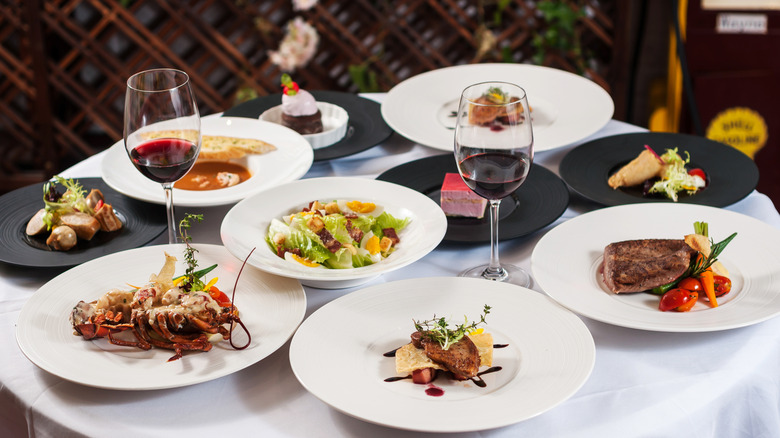
As a nation, Americans are used to fast food. We get hungry, we order a meal, and we eat it quickly. Time goes much slower in French restaurants, and if you're in a hurry, you'll likely get very frustrated. In France, mealtimes are for relaxing and taking your time, enjoying the moment, and savoring the experience. Whether it's waiting to have your order taken, for your food to arrive, or even trying to catch someone's eye to pay the check, at mealtimes, no one is in a hurry. In return, you won't be rushed out the door when you've finished your meal either.
Generally, mealtimes start with an apéritif. If you're hungry, order a planche à partager (a small dish for sharing) while you wait, and remember, portion sizes are smaller in France than in the U.S. I recently waited nearly an hour for my dish to arrive and my tummy was starting to roar, never mind rumble. But, that's an isolated case and the best way to deal with it is to enjoy the moment. Don't be tempted to click your fingers and ask where your food is. No one likes being clicked at, and if you're in that much of a hurry, you may want to hit that fast food place around the corner instead.
Asking for changes to the menu
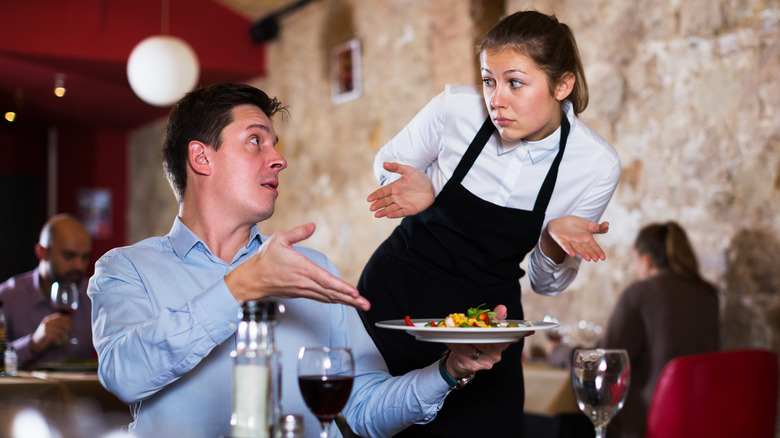
Imagine you've spent an entire day preparing a meal, only for your guests to ask for something else. Americans may be used to asking for swaps but doing the same in a French restaurant won't go down well. (This is one of the rules Americans often break in Italian restaurants too.) There may be a perfectly good reason you need to ask for a change, such as an allergy or food intolerance. That's acceptable, but mention it when you phone ahead to book your table to make sure the restaurant can cater to your needs. Otherwise, be mindful that a lot of work goes into the menu. Dishes may be planned around seasonal produce and ingredients chosen to work together. Changing them is unlikely to be appreciated.
I've been guilty of asking for a change to the menu myself, for the simple reason that there wasn't a single vegetarian option on the menu. In some regions, like Aveyron, where meat comes with more meat at practically every mealtime, there have been a few looks of horror when I've shared my preference for vegetables. Thankfully, more vegetarian restaurants are popping up, especially in larger towns and cities. And whilst you're ordering and poring over the wine list, don't make the mistake of thinking you need to appear to know what you're talking about. Just ask which wine goes best rather than guessing and getting a wine that doesn't at all pair with your meal.
Talking too loudly (especially on a cellphone)
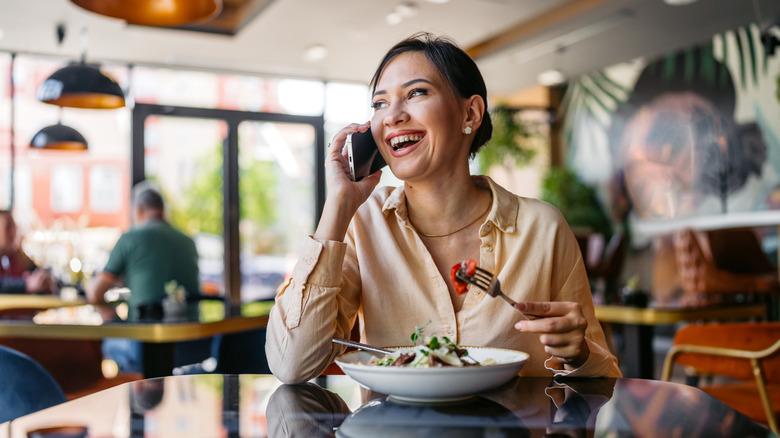
If there's one thing guaranteed to get on everyone's nerves in a French restaurant, or any restaurant for that matter, it's being sat at a table next to someone who has no sense of discretion. Worse still if you're sitting next to someone having a loud conversation on their cellphone. Talking too loudly is one of the biggest faux pas American tourists can make. Tables can often be quite close together in France and taking it down a decibel or two means everyone can enjoy their own conversations without having to listen to yours.
You can get away with a lot these days. Not like the olden days when your table manner transgressions would at the very least get you a rap on the knuckles from an angry parent. Cutting your bread with a knife? Not the end of the world. Elbows on the table? Nobody is likely to notice. Asking for a doggy bag? Not frowned upon anymore. But talking on your cellphone at the table is an etiquette misstep that can ruin a meal in France. Eating in a French restaurant is a feast for all the senses, and not possible if you have a cellphone stuck to your ear. Do everyone a favor and put it away before you enter the restaurant. If you do need to take a call, go outside and avoid a few death stares in the process.