

5 Italian Restaurant Rules American Tourists Break Within The First 10 Minutes
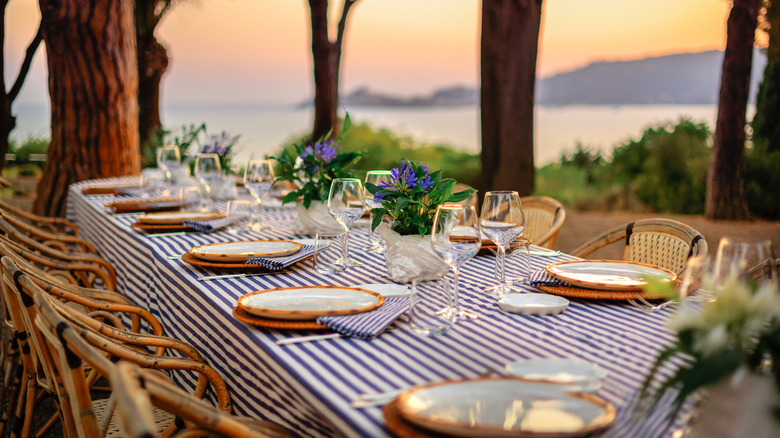
One of the great pleasures of being in Italy is dining at its restaurants. As a dual American-Italian citizen who lived in the country for years, I know this well. For those visiting Italy, maybe for the first time, I suggest that you align yourself with the Italian dining experience to receive its full, wonderful benefits — and maybe even have the meal of a lifetime.
The best way to prepare yourself is to realize that dining in Italy is different from the United States. Way more happens at these restaurants than just preparing and serving food: restaurants in Italy serve experiences that engage the senses. While the food delights your palate, the decor and table settings should please the eye, the ambiance should be curated to induce a specific mood, and the service should be warm enough to make you feel welcome, but it should never be intrusive or hurried. These things should be true whether you're in a back-alley osteria in Bologna, a cozy trattoria in a Tuscan hill town, or a Michelin-star eatery in Rome.
The biggest mistake American tourists make before even sitting down to eat is assuming that only expensive or highly rated restaurants in Italy serve incredible meals. Some of my most memorable dining experiences in Italy have been in hole-in-the-wall places: a humble pizzeria near the Naples train station, a seafood place in Cesenatico on the Adriatic coast, and a 560-year-old bar in the Quadrilatero section of Bologna. Tourists may not know how to find the most authentic eateries in Italy, but many locals do. Ask your Airbnb host, a shopkeeper, or even your taxi driver for suggestions instead of relying solely on Michelin stars or Tripadvisor reviews, or heading to the spots with lots of other tourists. Here are a few more common mistakes to avoid.
Not understanding opening and closing times
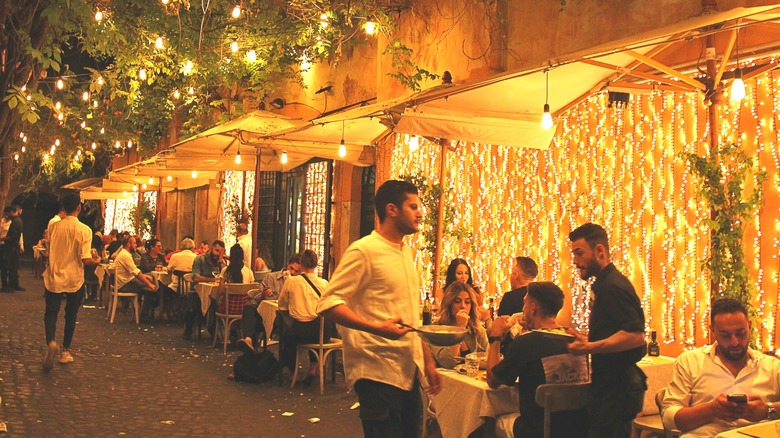
After you select your restaurant, you should carefully observe its opening and closing times, as restaurant operating hours in Italy differ from those in the United States. There are always exceptions, but the general rule is that restaurants in Italy serve lunch from midday until around 2 or 3 p.m., close for the afternoon, and open again for dinner around 7 p.m. or sometimes even later. If you're someone who enjoys late lunches or early dinners, you may have to adjust your schedule during your vacation.
When I first moved to the Bel Paese, this difference would trip me up a lot. I would go for a nice long walk or hike, return around 2:30 p.m. — famished — and be unable to find any open restaurant. So I'd be forced to survive on bar nibbles or gelato until dinner (hint: I never starved). I certainly wasn't about to resort to fast food options, though you do find more of these in Italian cities now, many of which are open all day long.
Since I am not a fan of big meals late in the day, what works for me when I'm traveling in Italy now is to plan to have my main meal of the day at lunchtime between 1 and 2 p.m. Then I'll enjoy an aperitivo (which is like Italian happy hour) with drinks, appetizers, and small plates in the early evening, usually around 6 p.m. Some bars and restaurants offer buffet-style light dinners during aperitivo, referred to now as "apericena." This can be a good option if you don't want to wait to have dinner.
Ordering the wrong beverage with your meal
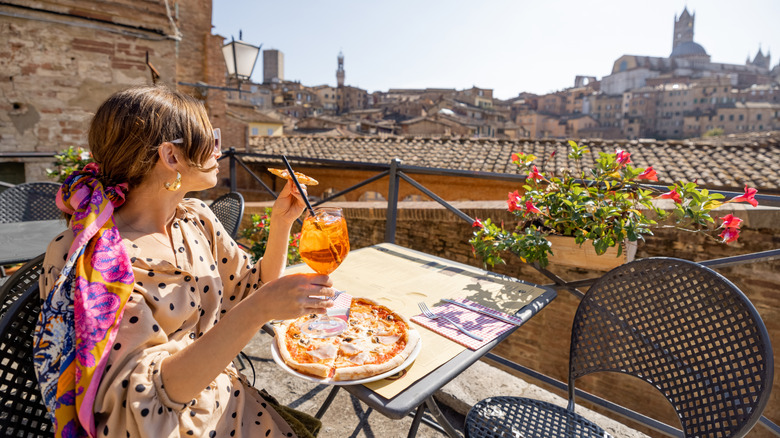
It's true that Italian locals may side-eye you a little for ordering an Aperol spritz with your meal or sipping a cappuccino in the evening. Realistically, though, no one is going to issue a culinary citation for mixing up your beverages. In Italy, beverage rules (if they could even be called that) are mainly in the interest of happy tummies and getting the most out of the flavor of your meal. The ever-more-popular Aperol spritz is a bitter aperitif that's meant to stimulate the appetite. So it's best taken before — not during — a meal. You'll rarely, if ever, see an Italian drinking an Aperol or Campari spritz with their meal, whether that's a gooey pizza, a juicy Florentine steak, or a plate of seafood pasta. In Italy, each of these foods actually calls for its own class of beverage.
Some Italians may drink wine with their pizza, but many prefer to drink beer — this is the more traditional pairing. This is speculation more than science, but a reason behind it may be that beer and pizza are both associated with informal social settings. What's more, their flavors are complementary. Beer malt calls out the wheat notes in pizza crust, and bitter hops cut the saltiness and creaminess of the mozzarella cheese.
Wine and food pairing in Italy is a complex science, but a few basic principles apply, like pairing white wine with seafood and red wine with rich meat dishes. Lastly, meals are often followed up with digestivi like limoncello or amaro, as it's thought that these bitter drinks can enhance digestion. It's also quite common to have not a cappuccino but an espresso after a meal, whatever the time of day. This is thought to support digestion.
Not trying local dishes
Maybe you have a few favorite Italian foods you eat often in America like lasagna or fettuccine Alfredo. It makes sense that you'd want to try these in Italy, too. That's ok, on one condition: order your favorite dishes in the regions where they are part of the local cuisine. Dining in Parma, Modena, or elsewhere in Emilia-Romagna? Dive into that lasagna. The dish may have been invented elsewhere but it became lasagna as we know it in this region.
Italy has 20 different regions and 20 different food cultures. While the regions have swapped recipes over the millennia, Italians know their own region's cuisine best, having inherited centuries of knowledge around the preparation of local dishes. Practice makes perfect, and in this case, it also makes food magic, which ends up on your plate and eventually, your palate. Sample your favorites, by all means, but also branch out beyond these when traveling through different regions. You'll probably return home with a few new favorites. I've been to 14 of Italy's 20 regions, and in every one I've visited, I've discovered something new.
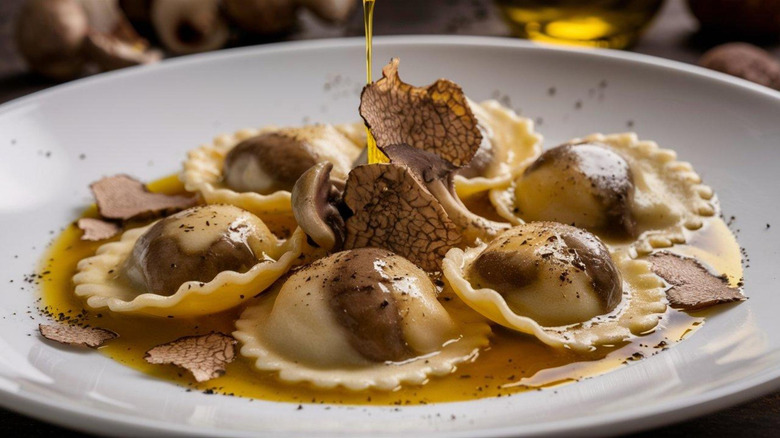
Do some research before your trip to learn about must-try dishes from different regions in Italy, like sfogliatelle pastries in Campania, bistecca alla Fiorentina (steak) in Florence, and creamy pasta carbonara in Rome. In Puglia, where my family is from, my favorite is orecchiette con le cime di rapa: ear-shaped pasta with bitter greens. It may sound strange, but it's utterly delicious. Traveling in northern Italy, I discovered another favorite dish: tagliolini al tartufo bianco, or pasta with white truffle shavings. Divine!
Requesting alterations to your meal
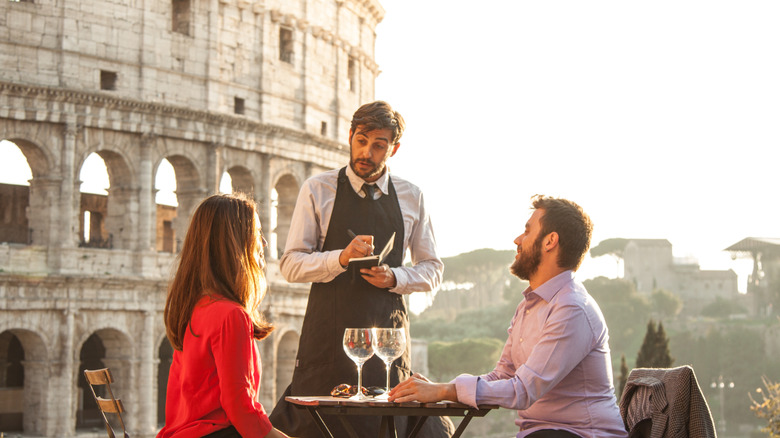
Compared to the mistakes above, this next one is more likely to offend your Italian servers and chef: requesting that a dish be changed to suit your preferences. Maybe you prefer that a sauce come on the side or that flat noodles be used instead of tubular penne in your penne all'arrabbiata. U.S. restaurants may be willing to accommodate you, but in Italy, it's not a common practice. Remember, the dishes you're ordering have centuries of traditions behind them. When you come in expecting these dishes to morph to your expectations, it may come across as cultural arrogance.
There are a few exceptions to this rule. If you have a food allergy, by all means, communicate this to the server (using a translation app if you need to), and they will assist you in choosing allergen-free dishes and may be able to arrange for substitutions. If your allergies are severe, it's best to carry a card explaining this in Italian and show it to staff upon your arrival at the restaurant.
The second exception applies to those who stay in Italy long enough to develop relationships with staff at a particular restaurant. Over time, the staff will come to know you and like you and may then be delighted to accommodate your preferences. I have a friend in Bologna who is a regular at the trattoria around the corner from her house. The staff there know exactly what dishes she likes and how she likes them, and they provide her with very customized service. The key here is that my friend never asks for this special treatment. It's something the staff give freely based on years of friendly interactions and trust.
Being impatient
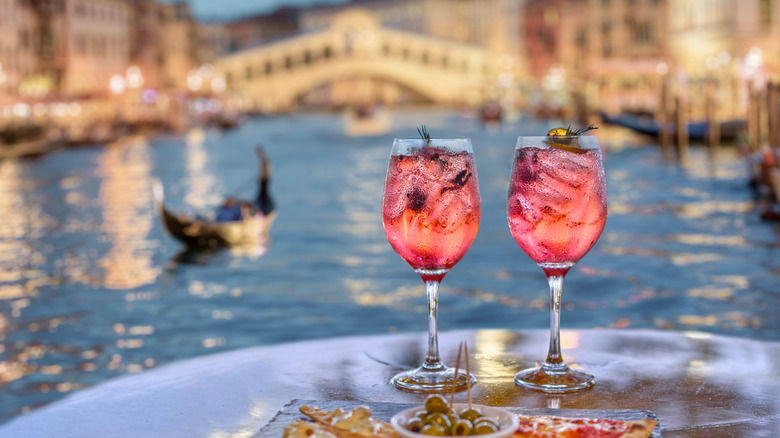
It's difficult to be patient when you're starving, and that's why you shouldn't enter an Italian restaurant with a grumbling belly and expect immediate service. Lunches are often longer than what we're used to in the U.S., lasting up to a few hours. Dinners, meanwhile, can seem endless, with course after course interspersed by leisurely pauses, allowing you to chat with your companions and maybe even get a little hungry again. Impatience with this process is poison and can completely spoil the experience. Relax!
Ideally, have an aperitivo with some snacks before your dinner to prepare your body and mind to receive the main meal. In this sense, an aperitivo is like the first movement of a symphony. It introduces the key notes and sets the mood and tempo for your dinner. This way, when you finally arrive at your chosen restaurant, you're much more likely to flow with the slower pace and exquisite rhythms of an hours-long live food performance. Follow up your feast with a stroll through the streets of whatever town or city you're visiting — an Italian evening ritual known as la passeggiata.