

5 Affordable Vacation Destinations Where The US Dollar Goes A Long Way
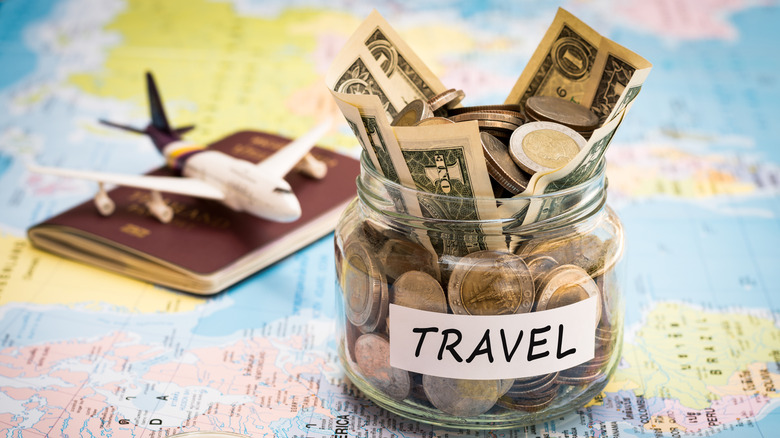
Many of us crave the perfect getaway, the chance to unplug, explore, and create new and lasting memories. The reality of getting this can hit hard: Vacations can feel out of reach when every dollar spent counts. With gas prices and inflation pinching household budgets, even a cross-state road trip can feel extravagant with regards to your bank account. International travel can seem downright intimidating.
But what if there were destinations where the U.S. dollar went further than at home? Places where stronger exchange rates let visitors linger longer in the charming hotels, savor meals at local eateries without scanning menus for the cheapest options, or upgrade to the guided tours they might not otherwise take. Stretching your dollars doesn't just stretch your budget; it stretches your ability to make the most of new experiences.
The appetite for affordable escapes abroad has never been stronger. That's why we dove into current exchange rates, compared daily living costs, scanned recent traveler reports from forums and reliable travel resources, and focused on spots offering real value without sacrificing value or comfort. The result is five standout countries where the U.S. dollar delivers more bang for your buck: Japan, South Africa, Portugal, Turkey, and Colombia. Each offers a unique mix of culture, nature, relaxation, and new experiences for a memorable trip, and they all offer U.S. citizens visa-free entry for 90 days.
Japan

Japan might not instantly scream "budget destination," but right now, the Japanese yen is hovering around 150 to the U.S. dollar. It is at a weak point in its currency, near multi-year lows, meaning it is a smart play for Americans to visit now, as the dollar buys far more than it previously did in Japan. Turning what was once premium into pleasantly affordable for this highly developed nation.
Daily costs in Japan can reflect this flexibility. Budget travelers can keep expenses low by choosing hostels or guesthouses that start at about $40 a night. Convenience store onigiri or noodle bowls can be found for as little as $3, and taking local transportation is only $2 to $5 per ride. Even mid-range accommodations start around $80 a night, and a solid ramen or udon lunch out might cost $10. Public transportation is widespread and affordable, and you might benefit from a Japan Rail Pass for bullet-train rides between cities.
Roundtrip flights from the West Coast hover between $500 and $800 if booked in advance, and East Coast departures are around $800 to $1,200 depending on the season. The sweet spot for travel to Japan tends to be in winter or late fall, when the summer crowds thin and the rates dip. Spring is actually one of the busiest seasons because visitors flock to catch spectacular views of cherry blossoms across the country. With countless reasons to visit Japan, knowing your dollar will go further here is perhaps the best one. Wander the temples of Kyoto, soak in a traditional onsen hot spring, marvel at Mount Fuji, and eat as much ramen as your heart desires. Before you go, check out these travel hacks for visiting Japan.
South Africa

Few places can illustrate the power of a favorable exchange rate like South Africa, where $1 USD buys about 16.5 South African rand. The rand's position against the dollar has made everyday experiences notably more affordable for Americans, especially compared to five years ago when their currency was stronger, making now a great time to visit.
Travelers report comfortable daily budgets between $80 and $150 depending on your style of travel. Hostels or guesthouses run from $20 to $40 a night in major cities like Cape Town or Johannesburg. Local meals shine for their value, like bunny chow (curry) or peri peri chicken, which will only set you back $5. A local beer or coffee costs about $3. A trip on public transportation costs less than $1, but renting a car is the smartest and most reliable option, which can cost as little as $25 per day. Activity prices vary widely. A visit to Boulders Beach, an unexpected place for wild penguin sightings in Cape Town, costs $15, but a full guided safari excursion can easily hit $250 or more.
Flights from major U.S. hubs to Johannesburg typically range from $1,000 to $2,000 round-trip and usually involve a stopover. The best deals will be from March to November, during their winter, which coincides with the best rock climbing season. The off-seasons offer better prices and also happen to be the best time for safari viewing in places like Kruger National Park, a perfect spot to view a wide array of wildlife.
Portugal

Portugal often surprises first-timers as one of Western Europe's most wallet-friendly countries. With the euro sitting at about €0.86 to the dollar, Americans will find their money goes further than in neighboring countries like France or Spain. The cost of living here remains remarkably lower than the European average, especially if visiting during the shoulder seasons.
Daily expenses can range from $80 to $160 per person depending on travel style and preferences. Visitors can find shared or budget rooms for about $25 a night, and more comfortable hotels or apartments hover around $80 to $120. A meal at a local tasca can cost $10, and an espresso will run you less than $1. Public buses or trams are less than $2 per trip, and taxis or rideshares stay reasonably priced. Tickets to attractions like the Moorish Castle in Sintra run about $15, while a boat trip down the Douro River can be as little as $30.
While U.S. citizens can enter visa-free, here's what you need to know about the new ETIAS pre-approval system that may apply starting late 2026. Flights from New York to Lisbon frequently dip below $600 round-trip with advanced booking, and West Coast flights average $700 to $1,000 return. Summer brings endless sunshine, loads of tourism, and high prices. Aim to travel during spring or fall for pleasant weather and lower rates.
Turkey

The Turkish lira remains exceptionally weak against the U.S. dollar, hovering around 42.6 lira per $1 USD, creating some of the strongest purchasing power for Americans on this list. This currency dynamic means everyday costs feel refreshingly low, letting visitors indulge in experiences they might not otherwise.
A realistic daily budget often lands between $50 and $120 depending on personal preferences. Hostels or guesthouses cost about $18-25 nightly, with private hotel rooms starting around $50. Meals stand out as a highlight: Opting for local coffee, kebabs, or meze spreads means food costs rarely exceed $20 total for the entire day. Local minibuses or trams run under a single dollar, and renting a car from the airport will cost less than $20 daily. Domestic flights between cities can be as low as $50. The iconic Hagia Sophia costs around $30 to visit, while a bucket list-worthy balloon ride over Cappadocia is worth the splurge but runs $100 to $500.
Flights from U.S. gateways are competitive and often under $800 round trip with advanced planning and purchasing. The best time to visit Turkey is during the shoulder seasons, which bring cooler temps, smaller crowds, and better prices. Higher demand over the summers raises costs, but this destination remains comparatively affordable for U.S. travelers.
Colombia

Colombia continues to rank among the hemisphere's best value, thanks to a strong dollar against the peso, which runs about 3,700 pesos per $1 USD. This extremely favorable rate, paired with an overall low cost of living, means visitors enjoy vibrant cities, stunning landscapes, and rich culture without the high barrier of entry.
Daily costs for budget-conscious or midrange travelers commonly fall between $40 and $100. For example, 4-star hotels in major cities like Bogota or Cartagena often go for only $50 a night, and simpler stays in hostels typically cost between $10 and $20 per night. Basic local meals like arepas rarely cost more than $10, and bandeja paisa — a protein-packed plate of ground beef, chorizo, beans, avocado, pork rinds, and rice — go for $15 to $25. A coffee will cost about $2. Taxis or ride shares hover around $5, and longer bus journeys between major cities cost around $40 one-way. Entry tickets to local museums, coffee tours, and other excursions range from $2 to $30.
Flights from major U.S. cities to Bogota frequently land under $600 round-trip, which feels like a steal. Colombia's equatorial climate keeps temperatures steady, but December through February offer drier conditions for wonderful beach days and outdoor activities. The period from July to October is best for humpback whale-watching, while October and November are the rainy months. The best time to visit Colombia to avoid big crowds (and keep more money in your wallet) is during the shoulder seasons.
Methodology

To craft this list, we reviewed mid-2026 exchange rates from reliable financial trackers like the U.S. Treasury and compared them against historical trends to highlight where the dollar has gained notable ground. We cross-referenced daily cost data from recent traveler reports, cost-of-living indices, and tourism resources, focusing on accommodations, meals, local transport, and visa entry fees while contrasting them with typical U.S. expenses.
Visa rules came directly from official government sources for U.S. citizens, and fight pricing drew from major booking platforms for realistic round-trip estimates from both East and West Coast hubs. Best-visit windows and top attractions were drawn from seasonal climate patterns, crowd data, and traveler feedback. We prioritized a mix of continents and activity types — urban culture, nature, history, and relaxation — to inspire a wide range of readers while ensuring every recommendation remains grounded in verifiable, up-to-date information. The combination of currency strength, overall affordability, and traveler appeal shaped our selections. Prices can fluctuate with seasons and personal choices, so check current rates and book early for the best deals.