

Michigan's Historic State Park Just Expanded By Nearly 10,000 Acres Of Forests And Wetlands
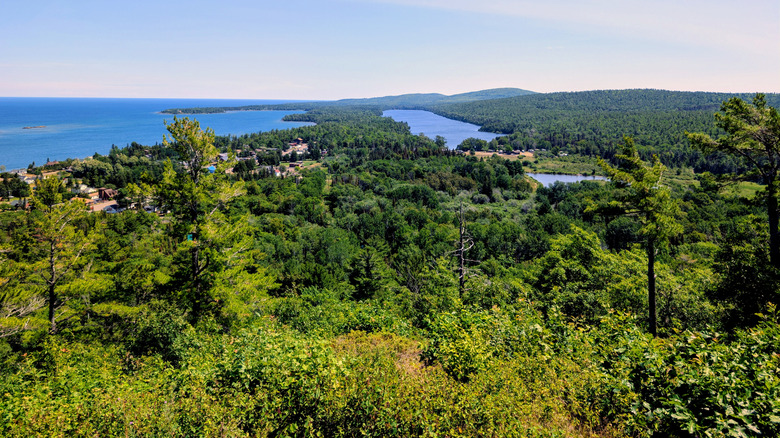
Sitting at the tip of Michigan's remote Upper Peninsula, Fort Wilkins Historic State Park has recently increased to more than ten times its original size. Thanks to an agreement with The Nature Conservancy (TNC), Michigan's Department of Natural Resources (DNR) announced on November 6, 2026, that nearly 10,000 acres of land had been added to the park's existing 987 acres, protecting the forests, rivers, and wetlands that make up part of the Keweenaw Heartlands.
When the corporate owner of the full 32,500 acres put the land on the market in 2021, local communities feared the land would be divided up and public access would be lost. TNC, however, stepped in, paving the way for the land to become publicly owned for the first time in more than 100 years. The DNR purchased the 10,000 acres for $11.2 million thanks to grant funding, and TNC will remain a temporary guardian of the remaining land until more funding can be raised. Such is the importance of the land to the local community, they've already rallied together to raise funds through the Keweenaw Heartlands Forest Fund, which will go toward its long-term management and conservation.
This is a huge step toward preserving Michigan's landscape, making sure important habitats stay protected and wildlife corridors intact. It also means that access to the 4,500 acres of wetlands, 37 miles of rivers and streams, and 79 miles of trails will remain open to the public. Those keen to explore the newly expanded wilderness of Fort Wilkins Historic State Park — a far cry from this popular Midwest destination – should follow the historic Highway 41 toward its most northern end. The nearest village is Copper Harbor, the picturesque gateway to Isle Royale, with Houghton, full of colorful scenery and Midwest charm, the nearest city with an airport, around 50 miles away.
Exploring Fort Wilkins Historic State Park
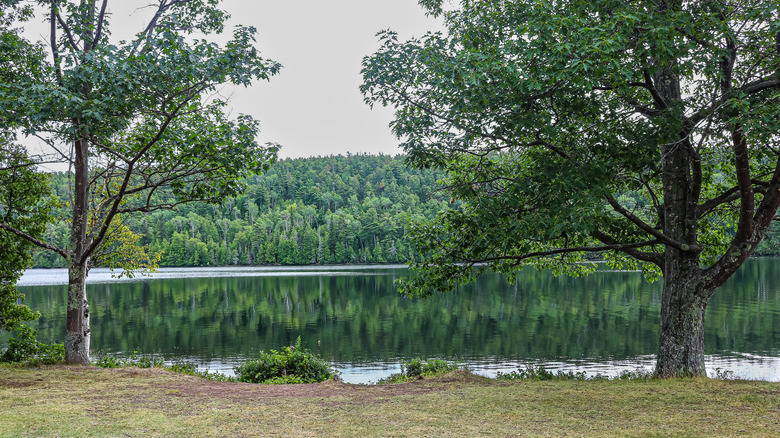
Activities in the Keweenaw Heartlands part of Fort Wilkins Historic State Park will remain largely unchanged, with opportunities for hiking, mountain biking, wildlife watching, and fishing, as well as access to High Rock Bay, a remote section of the Lake Superior shoreline. A network of trails traverses the area, but to truly immerse yourself in the deep boreal forest, take the Keweenaw Point Trail, a 30-mile wilderness loop recently completed by Copper Harbor Trails Club in October 2026. Described as the longest and most remote backcountry mountain biking trail in the Midwest, it passes over exposed bedrock, past waterfalls, and follows the Lake Superior shoreline for part of the route. This is also a good place to look out for gray wolves, black bears, and bobcats.
Fort Wilkins itself is a restored 1844 military outpost composed of 19 buildings originally built to keep things in order during the copper rush. Living-history programs are held throughout the summer, bringing the fort's military past to life. The 19th-century Copper Harbor lighthouses can be visited by boat tour, run by Noah's Ark Charters, or seen from afar from the lighthouse overlook. And of course, being the region of the Great Lakes, there are a myriad of water-based activities on Lake Superior, including boating and fishing.
The park has 179 campsites located on the shores of Lake Fanny Hooe, plus a group site, all open from mid-May through mid-October, as well as two cabins open year-round. All accommodation can be reserved through Michigan State Park & Harbor Reservations. Entry to Fort Wilkins Historic State Park requires a Recreation Passport, a year-round vehicle pass that allows entry to all of Michigan's state parks, state forest campgrounds, boating access sites, and thousands of miles of trails. It costs $15 for Michigan residents and $42 for non-residents. Otherwise, a day pass costs $12.