

New York's Former Army Base Is Now A Bayside Park With Historic Civil War Ruins And Scenic Wildlife
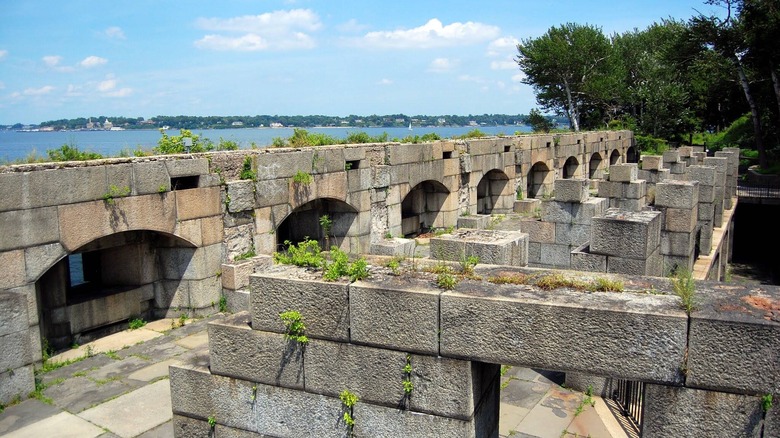
With five boroughs and centuries of history, New York City is full of lesser-known pockets. On the northeastern shore of Queens, the largest borough and home to some of the best under-the-radar neighborhoods in the city, sits the Civil War-era Fort Totten Park. Originally the lands of the Matinecock Native Americans, the Bayside neighborhood of Queens was settled during the American Revolution.
The site of the modern-day park was first established as Willets Point before being renamed Fort Totten in 1864. Construction of the fortification began in 1862 during the Civil War, but Fort Totten never saw battle — the original stone battery was never completed because the fort's design had become obsolete before the Civil War even ended.
Since then, Fort Totten has served as the site of an engineering school, headquarters for several regiments and commands, and even a hospital. In 1987, New York City and Parks was gifted 10 acres of Fort Totten's land by the U.S. Department of Defense, later securing an even larger portion of the former military base in 2001. Fort Totten Park has lent its facilities to the New York Fire Department, Bayside Historical Society, and St. John's University since the 1980s. It's even been a filming location for popular shows like "The Blacklist" and "Gotham"! Today, visitors can tour abandoned army buildings, enjoy summers at Fort Totten Park's public pool, and even spot wildlife throughout the park's natural areas.
Historical and recreational activities in Fort Totten Park
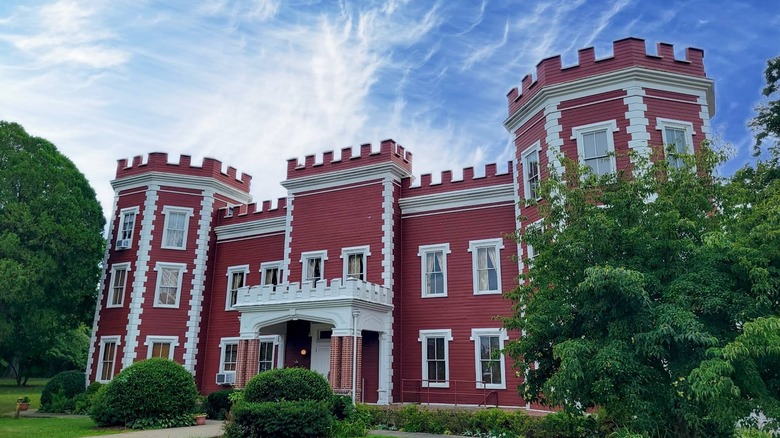
Fort Totten Park is home to 60 acres designated as a public park for the community, where many events are hosted throughout the year. For example, NYC Parks often runs free ranger-led tours that take guests through the fort and batteries, some of which require special access, to learn about its more than 100 years of military history. Volunteers also stage reenactments, dressing as members of the 67th NY Infantry and teaching visitors about life during the Civil War. The Bayside Historical Society, which operates from a Gothic-Revival castle built in 1887, also hosts tours as well as weekly yoga classes.
In addition to organized tours, you can learn about Fort Totten Park at your own pace. The Visitor's Center, which is open on Saturdays and Sundays, is home to a small history museum, and visitors can wander among Civil War military ruins, including a former officer's quarters, a movie theater, and an old hospital. You can also explore one of New York's first vehicle tunnels — which even holds some of the oldest graffiti in the city! From the waterfront, visitors can also enjoy stunning views of Long Island Sound and nearby bridges such as the Throgs Neck and Whitestone.
Like Pelham Bay Park in the Bronx, which offers family-friendly fun, Fort Totten Park has plenty of activities for parents and children. The park has a few recreational soccer fields that can be reserved with the correct permit, as well as a playground for kids to enjoy. Fort Totten is also home to three of Queens' 11 free outdoor public swimming pools, featuring a wading pool, intermediate pool, and diving pool. Open from 11 a.m. to 7 p.m. in the summer months, Fort Totten Park draws families when the weather gets hot and even offers free swimming lessons to all ages.
Enjoying Fort Totten Park's nature and wildlife

Despite its urban location, Fort Totten Park offers a unique opportunity to reconnect with nature by land and on the water. To reach the park, you'll have to take the 7 subway line (which is also the best way to reach Jackson Heights, one of the city's most exciting neighborhoods for foodies). Take the 7 to its final destination at Flushing Main Street, then transfer to the Q16 bus and get off at the last stop.
The area includes marshlands, streams, forests, and wetlands and is home to some of the city's wildlife, such as raccoons and opossums. With hawks, peregrine falcons, and warblers in the area, Fort Totten is popular with birdwatchers, particularly in the winter when waterfowl migrate south along the shores. Ranger-led tours will also guide visitors through the park's surrounding wildlife and nature.
The area also features plenty of walking and biking trails for visitors to enjoy views of the waterfront and nearby bridges. One popular trail in particular is the 2.9-mile loop between Fort Totten and nearby Little Bay Park, which is paved and offers a mix of urban, historical, and natural sites. Fort Totten is also the starting point of the 11-mile Eastern Queens Greenway. During warmer months, visitors can even launch canoes and kayaks into Long Island Sound and enjoy unique views of the Fort's Civil War ruins from the water.