

California's Former Navy Base Is Transforming Into A Vibrant Park Under An Hour From San Francisco
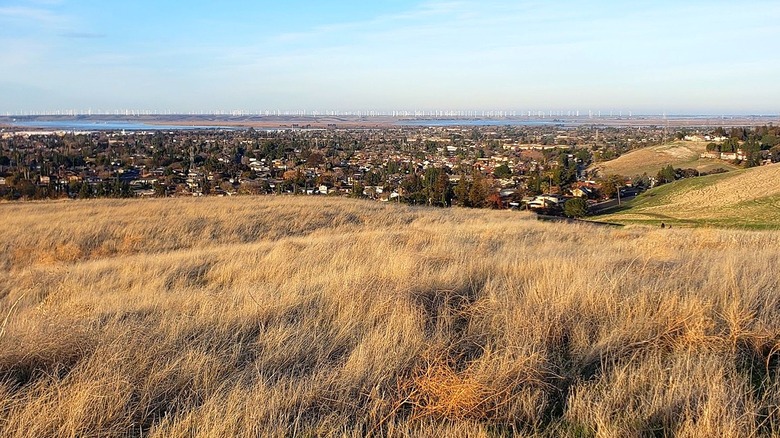
Around 40 miles northeast of San Francisco in Concord, California, a place with a dark past is realizing a brighter future. The Concord Naval Weapons Station occupied this 12,800-acre area of rolling grasslands for around 50 years, but in the 1990s, it was vacated by the U.S. Navy. Now, after years of negotiations, plans are underway to repurpose 5,038 acres of the site into the Thurgood Marshall Regional Park — Home of the Port Chicago 50. The park represents an important addition to California's regional park system, which has been steadily expanding, with three new state parks having been announced in early 2026.
Thurgood Marshall Regional Park will encompass 3,000 acres of open space connecting Concord neighborhoods, with special attention given to protecting known wildlife habitat. There will also be land set aside for hiking, biking, camping, and picnics. New public transit routes, entry points, and staging areas will facilitate access to the park from different parts of Concord.
In addition, Concord will develop 12,272 housing units (3,000 of them deemed affordable housing), a first responder training facility, a community center for veterans, a sports park, and other facilities to support vulnerable community members in the site's remaining acreage. This full list of plans could take around 30 years to come to fruition. In the meantime, the building effort is expected to create many new local jobs, so the community reaps benefits starting day one of construction. In addition, community members have already begun accessing the land allocated to the park for public tours, naturalist-led youth programs, birding activities, and Veteran's Day and Juneteenth celebrations. These community events are expected to continue, giving locals an opportunity to become familiar with the new park while site development is underway.
More on the history behind Thurgood Marshall Regional Park
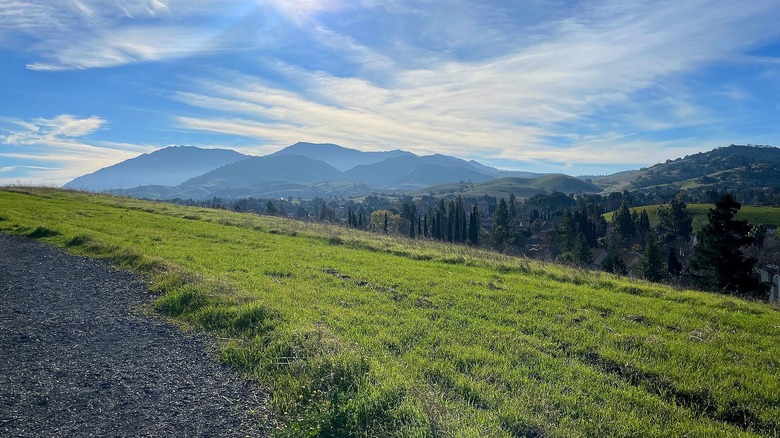
The story behind the naming of Thurgood Marshall Regional Park — Home of the Port Chicago 50 is one of tragedy to triumph. In 1942, the military established the U.S. Port Chicago Naval Magazine along the Concord coast to store explosives for use in the Pacific Theater during World War II. But in 1944, a catastrophic detonation at the port killed over 320 people, including more than 200 Black sailors who had been assigned to the high-risk duty of loading the explosives onto ships. What followed became known as the Port Chicago Mutiny or Port Chicago 50, in which 50 surviving Black sailors refused to continue their unsafe work and called out the Navy's discriminatory practices. Then-NAACP lawyer Thurman Marshall played a central role in the legal fight that ensued, which eventually led to the desegregation of the U.S. Armed Forces.
The new park's name pays homage to this important history, recognizing not just the Port Chicago 50 and the attorney who championed their cause but also all the Black sailors who served during World War II. A centerpiece of the park will be its visitor center, which will showcase the 1944 Port Chicago Disaster and other local stories. By sharing these stories, the park aims to unite the community and provide a "protected space for both nature and people to heal," states the East Bay Regional Park District website.
Though the history behind the Concord Naval Weapon Station is uniquely poignant, it isn't the only former military site in California that now serves another purpose. There are many others. For example, just fifty miles west of Concord in Sausalito, the Fort Baker army base was converted into a 335-acre coastal park with license-free fishing. Around 120 miles to the south, another army base, Fort Ord has become a vast national monument with more than 80 miles of hiking trails.