

One Of North America's Largest And Least Visited State Parks Is A Remote Outdoor Gem
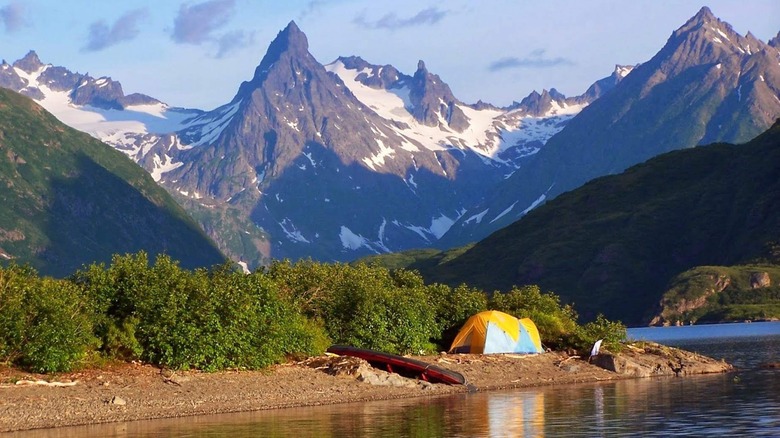
When considering the differences between state and national parks, it's easy to make assumptions. For example, you may guess that state parks are closer to populated areas and national parks are more remote, or that national parks are larger than their humbler state counterparts. But both these assumptions fizzle fast when it comes to Alaska's Wood-Tikchik State Park. Located in a roadless area of south-central Alaska and reachable only by boat or float plane, Wood-Tikchik is as isolated as they come. Given this, it's understandable that it's among the country's least-visited state parks, receiving only a few thousand visitors every year. It's also one of the largest state parks in the U.S. at 1.6 million acres — considerably bigger than many of our country's must-visit national parks. Even the 1.2-million-acre Grand Canyon doesn't seem so grand when compared to Wood-Tikchik.
Beyond its size and isolation, Wood-Tikchik is defined by its beautiful, fjord-like lakes, ranging from 15 to 45 miles long and arranged in two interconnected lake systems: the northern Tikchik lakes and the southern Wood River lakes. The park encompasses 12 lakes in total, along with rivers up to 60 miles long, 5,000-foot-tall jagged peaks, and expansive lowlands. This wilderness teems with a vast array of wildlife, from majestic mammals like bears, moose, and wolves to smaller creatures like beavers, foxes, and birds. The park's waterways also host an overwhelming abundance of fish, including all five species of Pacific salmon.
University of Alaska associate professor Don Rearden told National Geographic that he "can't get enough of" this glorious state park. He encouraged prospective visitors to get out of their comfort zone to fully experience its magic: "Get off the beaten path. Get dirty and cold. Feel the tundra beneath your bare feet." If, like Rearden, you prefer your adventures raw and unseasoned, you may want to consider a visit to Wood-Tikchik State Park.
Paddling through Wood-Tikchik's lakes and rivers
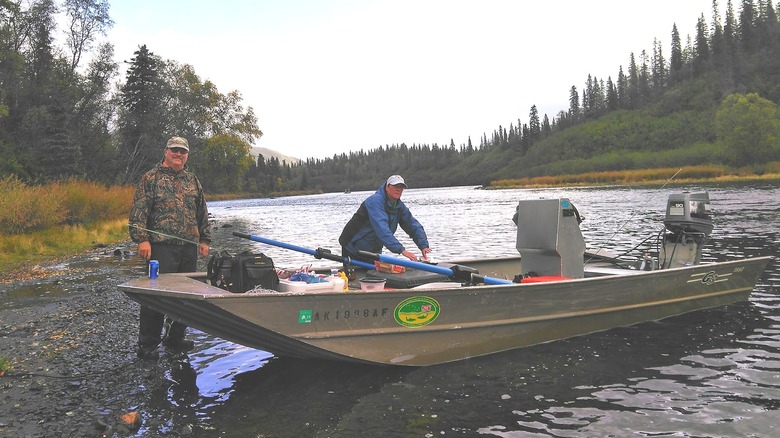
An ideal way to immerse yourself in Wood-Tikchik's remote wilderness is on an extended kayaking, canoeing, or rafting trip through its interconnected lakes and rivers. The most popular multi-day paddling trip in the park is via the Wood River Lakes Water Trail, which traverses five of the Wood River lakes and four rivers with some Class I, II, and III rapids. A paddling trip on the northern Tikchik lakes is also an option, but these lakes are even more remote and more expensive to visit.
Paddlers embarking on the Wood River Lakes Water Trail must first take a float plane from the nearby town of Dillingham to one of the Wood River Lakes. Then, the adventure commences: paddling through the lakes and rivers by day and camping on gravel beaches at night, with the potential for rewarding day hikes to explore the surrounding tundra. At the end of this trip, there are a few different take-out options. One is at a small village at the end of Lake Aleknagik, the last lake in the Wood River system. From here, road transportation is available to the town of Dillingham, the travel hub for the region, which offers regularly scheduled flights to and from Anchorage. Otherwise, from Lake Aleknagik, paddlers can continue another 20 miles down a river that leads directly to Dillingham.
Paddlers should be experienced and prepared for a trip like this. Though summer weather in the park tends to be mild — with average July temperatures between 46 and 65 degrees Fahrenheit — the weather can change suddenly at any time. Thus, paddlers should carry high-quality rain gear and plenty of warm layers. Paddlers should also travel close to the shoreline whenever possible, as on open lakes, sudden winds can cause waves that can capsize your vessel.
Angling experiences in Wood-Tikchik State Park
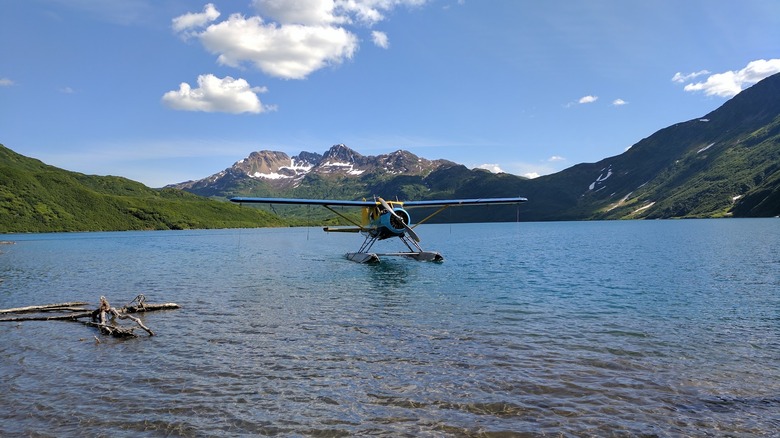
With its exceptionally clear lakes and rivers, Wood-Tikchik is a dream destination for anglers. Besides the abundant salmon that spawn in its waters, the park is home to rainbow trout, Dolly Varden, Arctic char, grayling, and northern pike. Visitors with backcountry experience can arrange their own trips to spots like the Agulowak and Agulukpak Rivers, which are considered world-class sport-fishing locations.
Of course, you can also stay at one of the park's comfy wilderness lodges and take guided excursions instead. These lodges are nestled in the backcountry along several of the park's lakes and offer rustic accommodations, meals, tours, and activities. The Tikchik Narrows Lodge is one of the few lodges located in the northern lake system, billing itself as "one of the most remote fishing lodges in all of Western Alaska" on its website. It offers daily float plane trips to different fishing spots in Wood-Tikchik State Park and the surrounding area, plus accommodations in cozy cabins and gourmet meals served in a dining room with 180-degree views of the lake. Besides fishing, Tikchik Narrows offers activities ranging from paddleboarding and kayaking to bear viewing, birding, hiking, and even foraging for native berries.
The best time to visit this area of the Last Frontier State is during summer, when lakes are ice-free, and float plane travel from Dillingham into the park's backcountry is most feasible. But if you're not ready for Alaska's backcountry yet, a warm-up trip may be a good idea before venturing out to Wood-Tikchik. In this case, consider some popular places in Alaska for first-time visitors, like the Kenai Peninsula, which has magnificent wilderness but is also much closer to major towns and cities like Seward and Anchorage.