

California's Former Army Base Is Now A Historic Recreation Area With A Beach & Nearby Trails
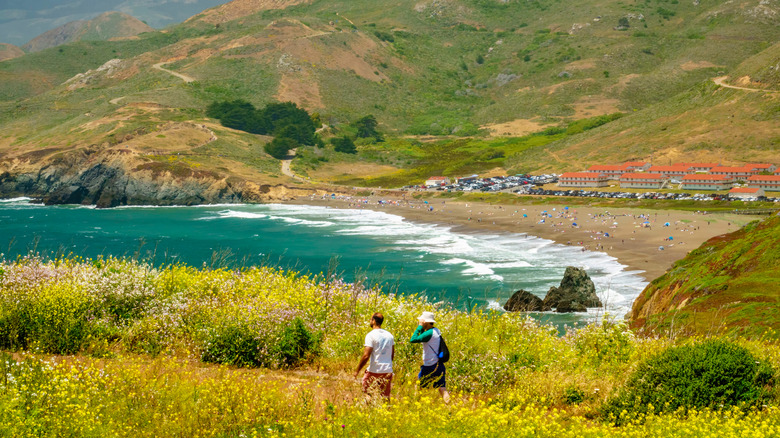
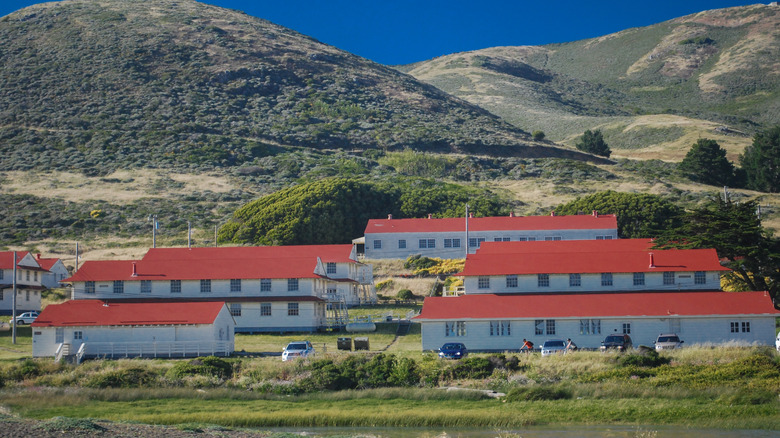
As the U.S. prepared for battle in WWII, the army was in dire need of accommodation for thousands of men. In 1939, 200,000 soldiers had enlisted. By 1944, that number had risen to around 6 million. The urgency of housing the soldiers led to the construction of more than 100,000 temporary military buildings, consisting of barracks, mess halls, offices, and hospitals. These buildings made up mobilization posts, one of which was Fort Cronkhite. The forts were only meant to be temporary, and most were destroyed after the war ended. Fort Cronkhite is one of the few remaining and best-preserved examples and is part of the Golden Gate National Recreation Area.
Soldiers stationed at Fort Cronkhite — strategically placed in the Marin Headlands, overlooking the Pacific Ocean – were responsible for protecting San Francisco Bay from enemy attack. The high ridges surrounding the fort were the ideal place for observation posts and heavy artillery, including Battery Townsley, which housed two enormous 16-inch guns. Records report that when the guns were tested in 1940, the concussion was so strong that it broke windows throughout San Francisco!
During the Cold War, when the threat came from the sky rather than the ocean, Nike missile sites were installed, including SF-88 at nearby Fort Barry. Both Battery Townsley and the missile site, as well as many of the original wooden buildings, can be visited today, with one of the barracks restored to its original state. The area surrounding the fort is particularly pretty, with an assortment of trails, Rodeo Lagoon, and Rodeo Beach, especially popular with surfers. With it being located around 10 miles north of downtown San Francisco, take the Golden Gate Bridge and follow Bunker Road to the fort, where limited parking is available on site.
Explore the trails in Fort Cronkhite
Unlike the typical golden sand beaches on the Californian coast, Rodeo Beach, with its red and green pebbles of jasper, carnelian, and jade, is a touch more colorful and a great spot for beachcombers. As inviting as the ocean may look, strong currents make it dangerous for swimming, although surfers are content to ride the powerful waves. Rodeo Lagoon on the other side of the beach is much calmer, but swimming is not allowed here to protect the fragile ecosystem. You can walk around it on the Rodeo Lagoon Loop, an easy stroll ideal for birdwatching, as the Headlands lie on the Pacific Flyway. Beach wheelchairs are also available but should be reserved at least five days in advance
Take the Coastal Trail and the short but steep section which climbs up to Battery Townsley. As you reach the ridge, the stunning views over the Pacific Ocean will take your breath away. To visit the battery's restored interior, check the website for opening hours. To delve deeper into the fort's history, the National Park Service has also created a self-guided History Walk, which takes you on a journey back through time to discover what life was like at the fort in wartime.
Other trails meander through the Marin Headlands, giving you a chance to walk, cycle, or ride through the protected habitat. The coastal hills fill with wildflowers come springtime, attracting butterflies and birds such as peregrine falcons and red-tailed hawks. Pack your binoculars as you may spot migrating humpback and gray whales offshore as you wander along the coastline. Because of San Francisco's notoriously fickle microclimate, be prepared for coastal fog and strong winds, making even the hottest days feel much colder. For more trails in a former army base that's now a national monument, head two hours further south to Fort Ord.
Places of interest around Fort Cronkhite
There's more than enough to fill a day in the area around Fort Cronkhite. Even if military history isn't your thing, it's worth taking a detour to the country's most fully restored Nike missile site at Fort Barry, another former army post on the other side of the lagoon. Free to visit, it's open on the first Saturday of every month, and gives you a fascinating look into a Cold War defense system.
Wildlife fans should visit the Marine Mammal Center, located behind Fort Cronkhite. This rehabilitation and research center organizes tours that take you behind the scenes to see the work being done to help sick and injured animals, including California sea lions, sea otters, harbor seals, and elephant seals. It's free to enter if you just want to look around, but paid tours that take you behind the scenes are also available. All visits must be reserved on their website.
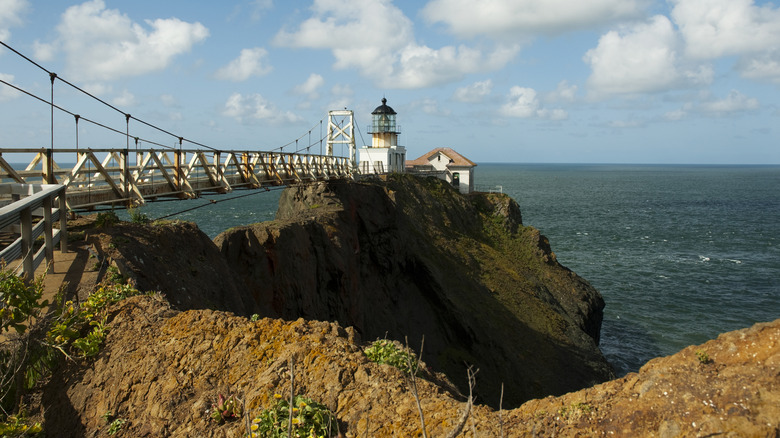
There's more birdlife if you follow the headland past Rodeo Beach up to the Bird Island overlook. This protected area is one of the largest brown pelican roosting sites in Northern California. Further along the coastline is the historic Point Bonita Lighthouse. It's a bit of a hike from the fort, but worth it just for the scenery, although you can park nearer if you like. Choose your day wisely, as the Point Bonita Trail leading there is only open the third Saturday of every month. In this area of outstanding natural beauty, it's no wonder NatureBridge, the non-profit offering immersive wilderness education, has a campus in Fort Cronkhite. If you plan to stay the night, there's no camping at Fort Cronkhite itself, but there are four small tent-only National Park campgrounds within the Marin Headlands. Book a campsite at Kirby Cove, and you can wake up to the sunrise behind the Golden Gate Bridge.