
One Of Canada's Underrated National Parks Is A Scenic Gem With Hiking Trails And Wildlife
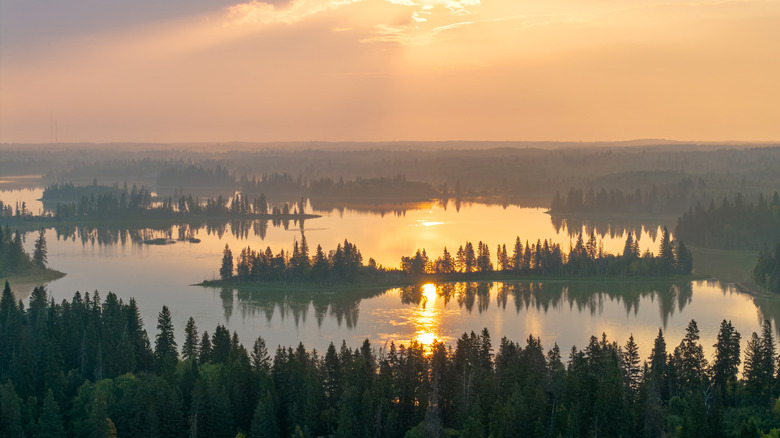
Unlike some of the more remote parks in the far reaches of the Canadian wilderness like Quttinirpaaq, Canada's northernmost national park, Elk Island National Park in Alberta is a breeze to get to in comparison. Located just 30 miles from Edmonton, it's also one of Canada's oldest and smallest national parks, covering an area of just 75 square miles. What it lacks in size, it more than makes up for with wildlife and scenery.
Bursting with life, the rolling knob-and-kettle landscape, part of the UNESCO-designated Beaver Hills Biosphere, was formed by retreating glaciers and is covered with boreal forest and grasslands. It provides the ideal habitat for Elk Island's famous bison herds and gives hikers much to see from its many trails. There are bogs, wetlands and peaceful glass-like lakes, attracting more than 250 species of birds and offering plenty of activities for those drawn to the water. Overshadowed by Alberta's more famous Banff and Jasper national parks, Elk Island may not have the Rocky Mountains' soaring peaks or millions of visitors each year, but it does have a special story of its own.
Elk Island is one of the best places to see bison outside of Yellowstone and is the only Canadian national park with herds of both wood and plains bison. After starting out as an elk sanctuary in 1906, plains bison arrived the following year, with wood bison coming later in 1965. Being Canada's only entirely fenced national park has helped keep its bison disease-free but means they must be carefully managed. More than 3,300 bison have already been moved to conservation herds worldwide, even traveling as far as eastern Russia. Kept separately, around 600 plains bison live north of Yellowhead Highway 16 and 400-odd wood bison south of it.
Hiking through bison country in Elk Island National Park
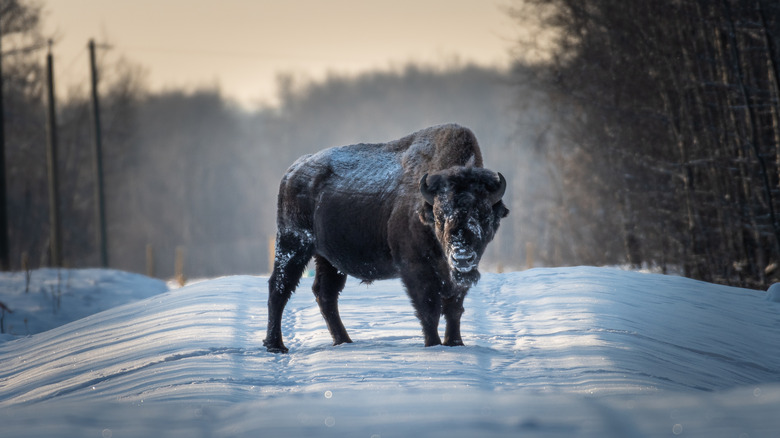
Being so close to the city, Elk Island is a wonderful destination for a day trip, with plenty of activities to keep both kids and adults happy. With wildlife being such a big part of the experience, there's no better way to go bison spotting than by hitting some of its 50 miles of trails. The 9.6-mile Wood Bison Trail is the only one where you'll see the larger of the two species. Passing through aspen forest, open grasslands and circling around several lakes, it's an excellent trail for experiencing the best of what the park has to offer.
The 7.2-mile Hayburger Trail takes you through black spruce bog and open meadows, and is a favorite hangout of the plains bison. There's a good possibility of seeing moose here too, but stay on the trail as there's hidden quicksand amongst the grass. Birdwatchers will love the lakeside trails, where pelicans and avocets share the wetlands with beavers, hard at work building their dams. To make the most of your wildlife watching, park staff advise visiting at dawn or dusk. For those who don't fancy hiking, the Elk Island Parkway and Bison Loop Road are where both bison and elk herds often gather. With a bit of luck, you'll get stuck in a bison jam.
Many of the other activities center around Astotin Lake, where you can head out on the water to explore its numerous small islands. Canoes, kayaks and paddleboards are available to hire on-site from Ridge Wilderness Adventures. Open year-round, Elk Island is superb for cross-country skiing and snowshoeing in winter, when freezing conditions turn the lake into a natural skating rink.
Sleeping under Elk Island's dark skies
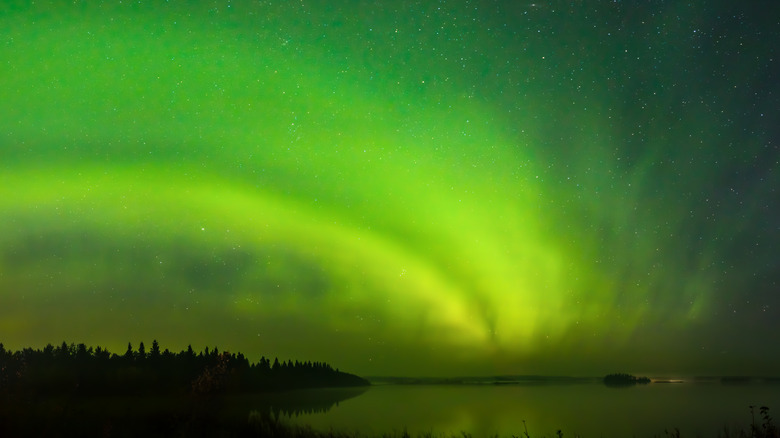
Despite the proximity to the bright lights of Edmonton, Elk Island has beautifully clear, dark skies, made even brighter by the lakes' reflections. It lies within the Beaver Hills Dark-Sky Preserve, and the chance to see the Milky Way, watch meteor showers, or gaze upon the aurora borealis gives you a great excuse to spend the night here. There are both frontcountry and backcountry campsites, but Astotin Lake Campground is a good choice if you want to be close to the lake and facilities. Open from mid-May to Thanksgiving, weather permitting, campsites cost around $23 for a basic site, $106 for an oTENTik, or $10 if you prefer to be out in the sticks at Oster Lake.
Weekends can get busy in the summer, and parking lots fill up quickly. Avoid disappointment by reserving ahead and taking the Parkbus instead. Depending on the time of year, the bus leaves Edmonton at 8:30 a.m. on Thursdays and Saturdays, returning from Elk Island at 3:30 p.m. The free service must be reserved, but as an added bonus on selected dates, passengers get access to the Backstage Bison tours, going behind the scenes to learn about the bison. Elk Island Retreat is a comfortable camping alternative. Open seasonally from March until November, this glamping retreat has a choice of geodomes, yurts, and wood cabins just a stone's throw from the park in one of Canada's up-and-coming destinations.