
One Of North America's Least Visited National Parks Has Remote Wilderness & Scenic Hiking
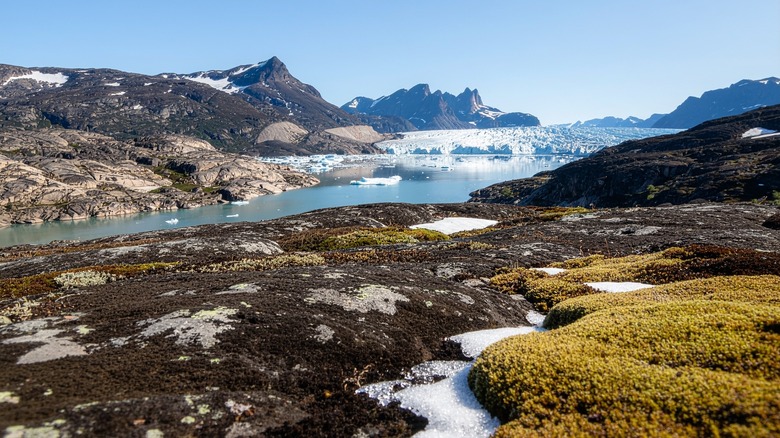
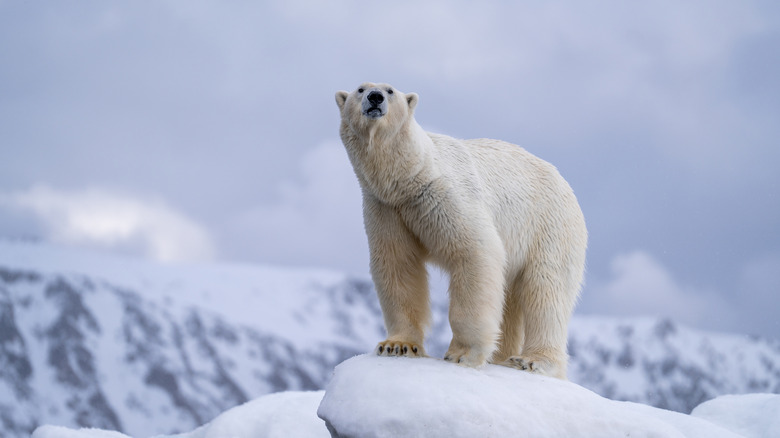
Never has the name of a national park been so accurate in its description. Meaning "land at the top of the world" in Inuktitut, Quttinirpaaq, pronounced Khoot-tee-neelk-paahk, is indeed Canada's northernmost national park, located just 447 miles from the North Pole. It's also the country's second biggest after Wood Buffalo, one of Canada's most spectacular national parks. Located on Ellesmere Island in Nunavut's Qikiqtaaluk region, getting here is an adventure in itself. Quttinirpaaq is so far north that even the bears are a different color, and you're more likely to stumble across a polar bear than a grizzly.
The scenic landscape is superb but extreme. Around a third of the park is covered by glaciers, and the bleak Arctic tundra brings some of the harshest weather conditions on Earth. Coming here requires a huge amount of organization, considerable backcountry experience, complete self-sufficiency, and excellent navigation and survival skills. In other words, it's for dedicated adventurers only. If that hasn't put you off, getting there might.
The gateway to Quttinirpaaq is at Tanquary Fiord, reached by charter flight from Resolute Bay, nearly 500 miles away. Flights can cost up to around $50,000 per aircraft. That's after a 10-hour flight from Ottawa, with a stop at Iqaluit on the way to Resolute Bay. Some Arctic cruises make zodiac landings on Ellesmere Island, but don't generally include exploration of the park, and are dependent on the shifting sea ice. The cost involved and planning required to visit this remote corner of Canada's North explain why Quttinirpaaq only sees a few visitors each year, making it one of the least visited national parks in North America.
Inside Canada's Quttinirpaaq National Park
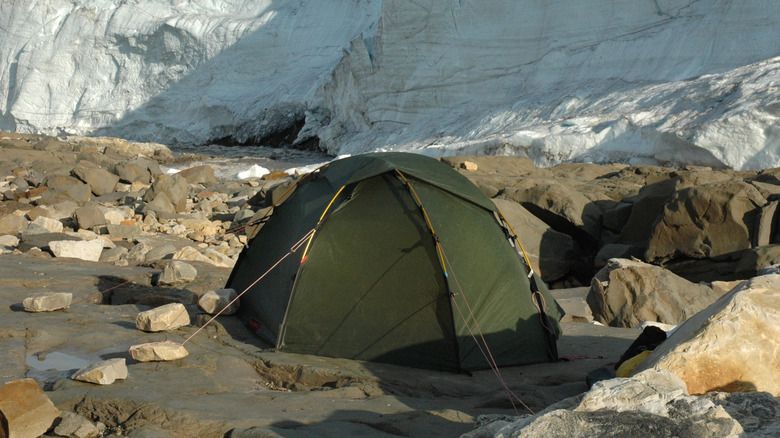
In a land covering nearly 15,000 square miles of mountains, glaciers, ice shelves, fiords, and bleak Arctic tundra, and with no roads, no designated trails, and next to zero facilities, there's no chance of adding it to your epic Canadian road trip. Staying here means backcountry camping almost anywhere within the park, except on archaeological sites and special preservation areas. There's also the option of staying at Tanquary Fiord. Accommodation there is in Weatherhaven sleeper tents — insulated tents with solid floors and inner walls, but no washing or cooking facilities.
The landscape is hauntingly beautiful with scenery you won't see anywhere else on the planet. Glaciers spill into valleys creating braided rivers and hidden waterfalls. Deep emerald lakes reflect the desolate mountain range beyond. You will, of course, need a decent map and know how to read it, as a compass is unreliable this close to the North Magnetic Pole. Recommended spots to seek out include Lake Hazen, one of the world's largest lakes north of the Arctic Circle, and Barbeau Peak, Quttinirpaaq's tallest mountain. Activities include hiking, snowshoeing, glacier walks, mountain climbing, and wildlife watching.
Calling this hostile environment home are musk oxen, Arctic hares, Arctic wolves, Peary caribou, and of course, polar bears. Offshore, narwhals and bearded seals sometimes make an appearance. Despite the inhospitable conditions, people have lived here, with archaeological sites dating back to around 5,000 years. Today, the nearest permanent settlement is around 400 miles away in Grise Fiord, where around 150 people live a peaceful life.
Planning a visit to the land at the top of the world
The park is open year-round, but having 24 hours of darkness in winter, it would be wise to visit between May and August, when the midnight sun brings 24 hours of daylight. Park staff are also on hand between June and July at both Tanquary Fiord and Lake Hazen base camps. It can be surprisingly warm in summer, sometimes reaching temperatures above 68 degrees Fahrenheit, but the weather is unpredictable and can change at a moment's notice, meaning you must be prepared for harsh winter conditions at all times. On the plus side, Canada's national parks are offering free admission in 2026.
You'll need specialist equipment for this kind of expedition, and you essentially have three ways to explore the park: independently, on guided day hikes from Tanquary Fiord, or on a fully organized backpacking trip. Black Feather is a wilderness adventure company and offers two types of trips in Quttinirpaaq. One is where you're based at Tanquary Fiord, which involves guided day hikes from the camp, including parts of the Muskox Way, an ancient migration route used by the Independence I people. Rated skill level 2-4, it includes camping accommodation, meals and transport between Resolute Bay and Tanquary Fiord, but you'll need to find your own way to Resolute Bay. For the more experienced, there's the 10-day Ad Astra Trek, which means backpacking your way along 75 miles of valleys, mountain passes and ice fields, and is rated skill level 4. If you're more interested in taking a cruise, Quark Expeditions passes by Ellesmere Island, although landings are never guaranteed.