

Australia's Newest National Park Will Offer A Laid-Back Nature Escape In Sydney
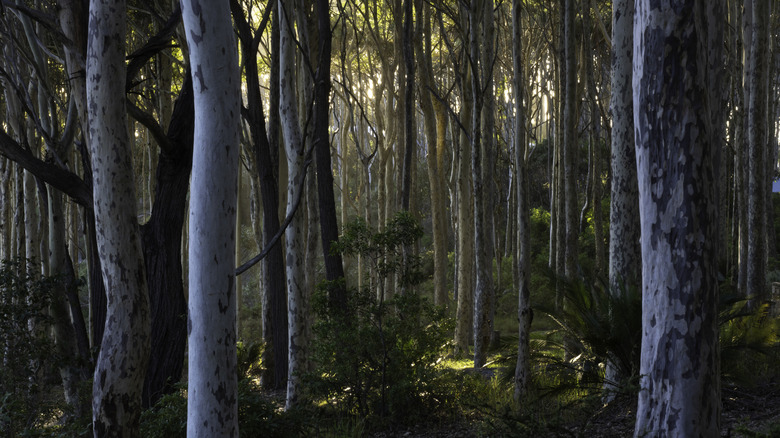
Australia is a country full of contrasting landscapes, from the barren deserts of the Outback to some of the oldest surviving tropical rainforests in the world. Its Aboriginal history goes back thousands of years, and it has the most fascinating selection of wildlife, much of which is endemic. It stands to reason that the country wants to preserve as much of this unique land, wildlife, history, and culture as possible, which is why a new national park in Western Sydney in New South Wales is being created as part of the Cumberland Plain Conservation Plan.
Gulguer National Park will expand on the existing Gulguer Nature Reserve and Bents Basin State Conservation Area, eventually covering more than 1,100 hectares and reaching as far as Burragorang State Conservation Area. It will be a welcome addition to NSW's network of around 900 parks and reserves. As Sydney continues to grow, with around 73,000 new homes planned over the next three decades, it's more important than ever to conserve the critically endangered forests and threatened species that live within them. "The Minns Labor Government is making it easier and more affordable for Western Sydney families, visitors and local communities to enjoy the great outdoors," said Penny Sharpe, minister for climate change and the environment, via the government website. "It is part of our ongoing commitment to boost conservation in Western Sydney, to ensure our precious native creatures and plants exist here for generations to come."
Located around 45 miles west of downtown Sydney, Gulguer National Park will also protect important Aboriginal cultural heritage, including rock art, shelters, and artifacts. For now, public access is limited, but the park is expected to fully open in early 2027, with facilities increasing over time. Once open, it will provide a peaceful escape from the city for bushwalking, cycling, wildlife watching, and camping.
Wildlife at Gulguer National Park
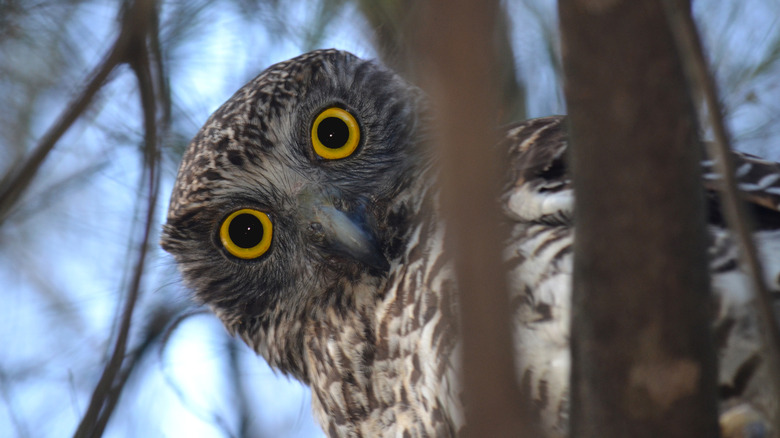
The park's name comes from the Gundungurra word referring to the swirling movement of water in the nearby Nepean River. Evidence shows that, along with the Dharug and Dharawal peoples, the Gundungurra used this area as both a meeting and trading place, with the river conveniently providing food and water. As part of the Cumberland Plain landscape, its eucalyptus woodlands and critically endangered Shale Sandstone Transition and Sydney Turpentine-Ironback forests provide essential habitats for at least 28 threatened species. These include the powerful owl, southern greater glider, giant burrowing frog, eastern coastal free-tailed bat, and Cumberland and Dural land snails. The national park status will help give both the wildlife and plant life stronger protection as the suburbs continue to encroach on their natural habitat.
More recent history comes from the Silverdale Hill Climb car-racing circuit, which was in action from the 1950s until the 1980s, drawing motorsport enthusiasts to this unlikely patch of bushland. Remains of it can still be found, but nature has long since reclaimed the site. The same can be said for a former Girl Guides camp, out of action since the property was sold in 2009. The large camp once contained cottages, dormitories, a sports field, and a chapel. Bar these distant signs of life, Gulguer Nature Reserve is largely undeveloped. Although open to the public now, its wild state means access is currently limited, so it may be worth waiting until more facilities are in place to enjoy it at its best.
Visiting Australia's new national park
Gulguer National Park is roughly an hour-and-a-half drive from Sydney, which is by far the easiest way to get there. Combine it with a stay in the city where you can swap the bustling sights of Sydney Harbour and Australia's gorgeous iconic spot, Bondi Beach, for miles of remote bushland and eucalyptus forests. Being fairly remote, public transportation is limited and would take far longer. The park is located near the suburbs of Silverdale and Bringelly and is conveniently situated only 16 miles from the newly constructed Western Sydney International Airport, where flights are scheduled to begin in October 2026.
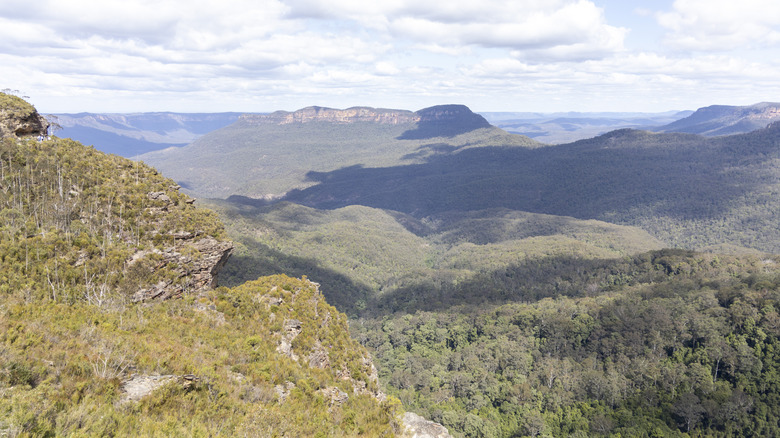
When fully developed, the park will contain walking and cycling trails, making use of existing management trails, along with picnic areas and camping in the world's best camping destination. At present, Gulguer Nature Reserve can only be accessed on foot down a steep fire trail through Bents Basin State Conservation Area, but this may change once the park opens. Bents Basin itself gives you a good idea of what to expect from the landscape. The deep gorges and river setting make it an ideal spot for swimming, fishing, or paddling, and there are trails to explore through the surrounding forest, as well as a campground. The vehicle day charge is currently $8. A little further out from the city is Blue Mountains National Park, the perfect day-trip destination if you're staying in Sydney.