

Why This Dynamic South American Destination Should Stay Off Your Travel List
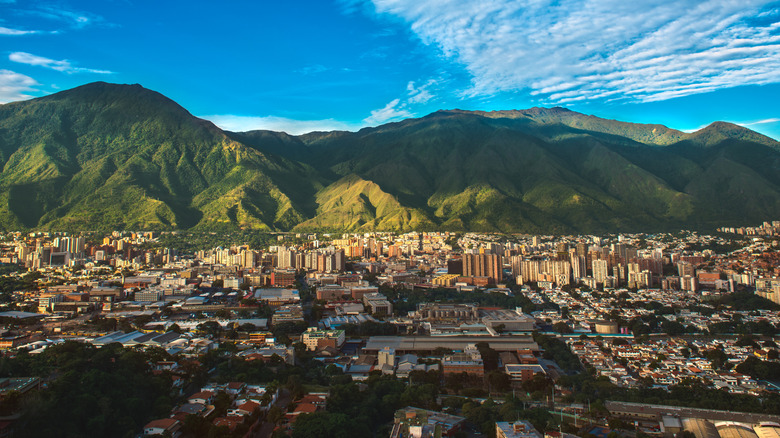
For many years, Venezuela has been a slept-on vacation destination in South America. It has suffered enormously from poor PR, and while in many cases it deserves its image problem, it is also a stunningly beautiful place to visit, perfect for outdoor adventures, and one of the best places for wildlife lovers on the continent. The Llanos Plains are home to anacondas, capybaras, pumas, and jaguars, while giant anteaters, sloths, and crowds of howler monkeys live in the lush jungles that cover the foothills of the Andes. Angel Falls, the tallest uninterrupted waterfall on the planet, is world-famous, and the Los Roques National Park boasts some incredible snorkeling and scuba diving sites.
For nearly a decade, Venezuela's poor reputation as a tourist destination was backed up by the U.S. State Department, which ranked it as Red Level 4 Travel Advisory: Do Not Travel. However, in March 2026, this rating was downgraded to Orange Level 3: Reconsider Travel. This is a subtle but significant shift, making it a viable option for many adventure-loving travelers. However, with the political situation still extremely volatile and the country reeling from a devastating earthquake, smart tourists will still think twice about jumping on a flight to Caracas just yet.
Venezuela is problematic for tourists for a number of reasons. Caracas, the capital city, has an extremely high crime rate, particularly when it comes to armed robbery and kidnapping. Various rural areas suffer from an almost complete lack of law enforcement, and safety is a concern across the country. The political situation is extremely volatile, following the capture of ex-President Nicholas Maduro, and two large earthquakes in June 2026 have caused even more turmoil and strife. This means that Venezuela remains one of South America's most dangerous destinations.
Is it safe to travel to Venezuela?
There are plenty of things that tourists need to be aware of if they're considering visiting Venezuela. The political situation in Venezuela has made tourism difficult for years, particularly for Americans. Throughout the period of Nicholas Maduro's presidency, from 2019 to 2026, Venezuela experienced a dramatic drop in living standards due to hyperinflation, and finding basic goods is an issue, while safety in Caracas and elsewhere has been a problem. Demonstrations are common, and armed militias often set up roadblocks in rural areas. American tourists are at risk of kidnapping and robbery, as well as wrongful imprisonment.
Since U.S. Special Forces captured President Maduro, the State Department has downgraded Venezuela's official risk rating from Red Level 4 to Orange Level 3. And in April 2026, American Airlines restarted a nonstop daily service between Miami (MIA) and Caracas (CCS) for the first time in nearly seven years. There are also routes on other airlines via Panama City, Bogotá, and Mexico City. However, a Level 3 travel advisory still means that travel is not advisable, and the State Department highlights various regions as particularly dangerous, including the border with Colombia, the Amazonas, and the states of Bolivar, Guarico, Aragua, Apure, and Tachira.
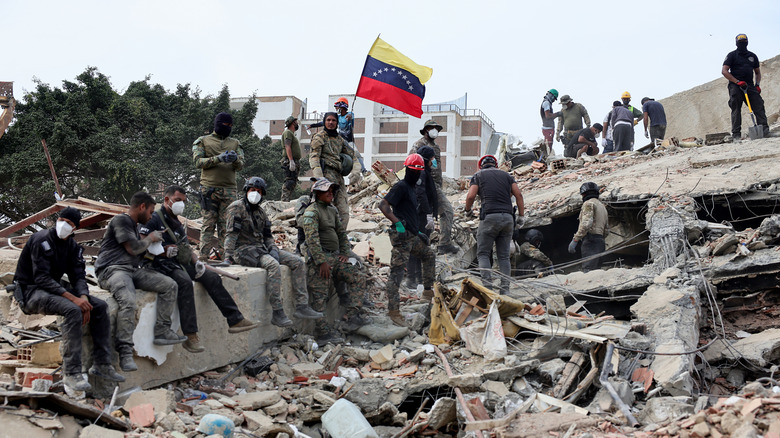
On top of this, the two earthquakes that hit Venezuela in June 2026 mean that tourism at the moment is a bad idea. The entire country has been affected, with a particularly devastating impact felt in Caracas and La Guaira. Tens of thousands of people are dead, injured, or missing, and over 800 buildings have been severely damaged or destroyed, including around 38 hospitals.
Where should you go instead of Venezuela?
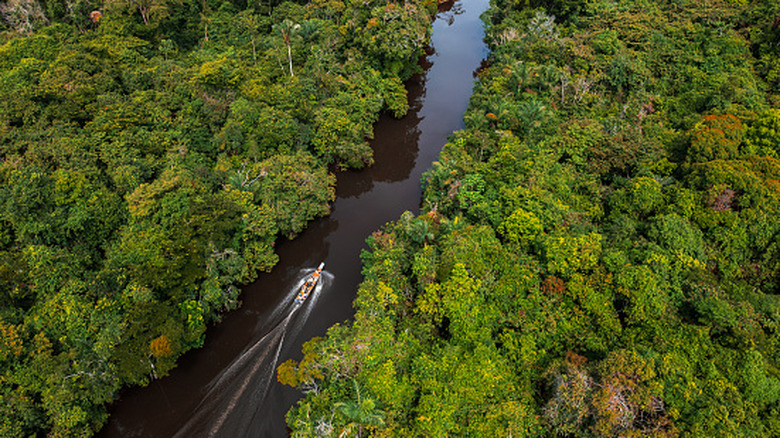
So, even though traveling to Venezuela is now easier than it has been for nearly a decade, it is still inadvisable while the earthquake recovery process is ongoing and the political and internal security situation remains volatile. But travelers looking for Latin American wildlife adventures, gorgeous mountains, stunning jungles, and sun-drenched beaches have plenty of other options.
If you are after incredible adventure travel experiences and exciting wildlife encounters, then it is worth considering Costa Rica. This Central American paradise is famous as an eco-tourism destination, serving up incredible biodiversity, dramatic active volcanoes, and gorgeous cloud forests. Monteverde is one of the best places in the region to get up close to wildlife, including sloths, monkeys, and majestic quetzals, while the Arenal Volcano National Park, overshadowed by the looming bulk of the Arenal volcano, is filled with hanging bridges, geothermal springs, and lush rainforests.
Another wonderful and often overlooked option is Peru. While loads of travelers have made the adventure travel pilgrimage to the spectacular site of Machu Picchu, Peru has a whole lot more to offer than just these stunning Incan ruins. The capital, Lima, is a global culinary hub, with an extraordinary array of exceptional restaurants and ground-breaking chefs. The Nazca Lines, enormous, millennia-old geoglyphs, are mindblowing, while in the south, Lake Titicaca is a remarkable spot to explore, as is Arequipa, a city built from volcanic rock. And, of course, Peru even offers the chance to trek into the Amazon Rainforest to spot macaws, capybaras, and river dolphins.