

Why Some Destinations Want Their UNESCO World Heritage Status Revoked
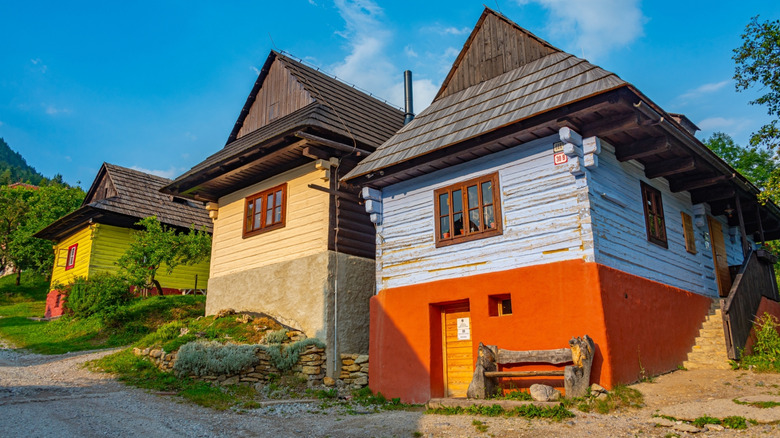
You may have been drawn to a UNESCO World Heritage Site as you booked your vacation. It may even have influenced where you decided to go. But have you thought about what happens when a place gets added to the prestigious list? It receives a lot more recognition for one, but instead of seeing the designation as a blessing, some communities are asking for their UNESCO status to be revoked, saying that it has become detrimental to their way of life.
The UNESCO (United Nations Educational, Scientific and Cultural Organization) program began in 1978 with 12 sites, including Yellowstone National Park and the Wieliczka Salt Mines in Poland, one of the most underappreciated countries for adventure holidays. Every year, countries nominate places they believe deserve World Heritage status to the UNESCO World Heritage Committee, who then decide which ones merit being added to the list. There are currently over 1,200 World Heritage Sites across 170 countries and around 20 to 30 new sites are added each year. Being on the list means the place is considered to have "outstanding universal value," and is therefore worthy of protection and strict conservation measures.
For example, when it became a World Heritage Site in 1992, Angkor in Cambodia, one of Asia's most affordable countries, had suffered extreme damage through years of war, looting, and neglect. The restoration work that followed helped preserve the ancient temples, but the influx of visitors that UNESCO listing inevitably brings is not always well received by the people who live there. Take the small Slovak village of Vlkolínec. To preserve the unique 18th-century wooden houses, residents need to follow strict regulations that prevent them from raising pets and cultivating crops like they used to. And with around 100,000 visitors descending on the tiny village of just 20 permanent residents each year, it's understandable they want their UNESCO status revoked.
How UNESCO World Heritage status can lead to overtourism
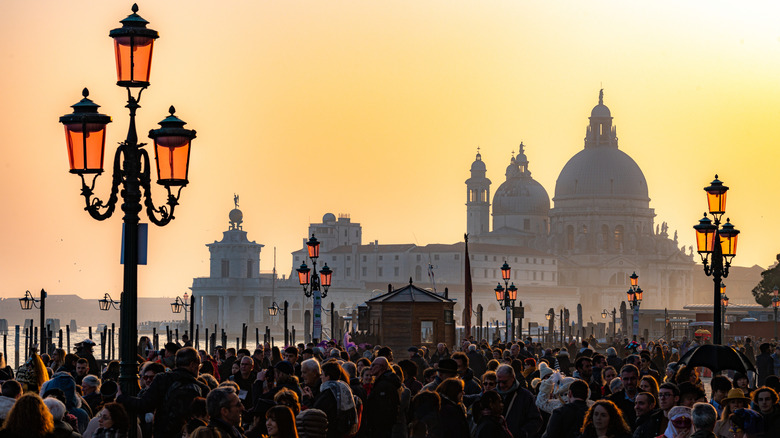
Overtourism has become a problem the world over, made worse by everything from cheap air travel to social media influence. While UNESCO status can't be blamed for overtourism, there's no denying it puts lesser-known places in the spotlight. Instead of sitting peacefully, waiting for the odd wandering traveler to discover them, World Heritage sites start to appear in guidebooks and itineraries before eventually making it onto more than a few bucket lists.
Before you know it, rising visitor numbers mean holiday rentals replace family homes, and local businesses get ousted by souvenir shops. Take the example of Venice. Once home to around 175,000 residents in the 1950s, that number has since fallen to under 50,000. Around 30 million visitors arrive each year, leaving the dwindling community to feel "suffocated." It's not all bad for the sites in question. World Heritage Status does bring with it protection, restoration, and the possibility of funding. But for residents in the Ngorongoro Conservation Area in Tanzania, another World Heritage Site asking for its status to be revoked, it's too much. The land may be protected but the people living there have been forced to leave their ancestral home.
This raises the question: Should the World Heritage status that protects the place also protect the identity of the people who live there? Would the preservation of communities stop the museumification of historic centers where everything is perfectly preserved on the outside but devoid of soul on the inside? As John H Stubbs, former vice president at the World Monuments Fund, told the BBC, "[I]n terms of the actual solution that will benefit the locals, as well as the monument, the answer is going to come from smart conservation planning that takes into account everything from economics to location to local people."
How to visit UNESCO sites without adding to the problem of overtourism
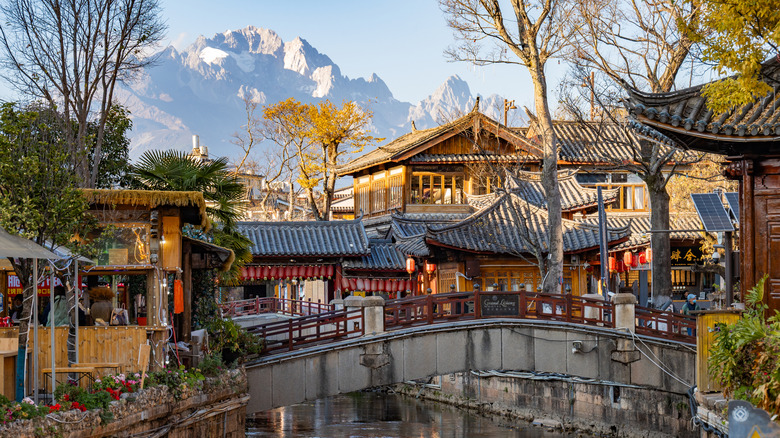
The challenge for destinations is to find a way to benefit from UNESCO World Heritage status while limiting the effects of overtourism. There are steps you can take to avoid contributing to the problem. A good start is to recognize that what may be one of many bucket list destinations for you is actually someone else's home. In the Old Town of Lijiang in China, the Naxi people have lived here for centuries, with their own language, traditions, and culture. After it was named a UNESCO World Heritage Site in 1997, many of the traditional wooden homes became guesthouses and souvenir shops to cater to the growing number of tourists in what researchers have called an urban morphology. Support local communities by spending your money in locally owned businesses, visiting outside peak season, and staying longer when possible. These are also good ways to minimize your carbon footprint when traveling.
Respect the advice of tourism boards. Some World Heritage Sites are now limiting the number of visitors through timed entry systems to reduce overcrowding, as well as encouraging people to visit nearby areas. "Overall, UNESCO has as well developed specific tools to manage tourism pressure in World Heritage sites," said a UNESCO spokesperson via Euronews. "The organization also encourages continued dialogue between the competent authorities and the local communities to address them in a way that protects the site's exceptional value while respecting the needs and well-being of the local communities." As for the destinations who are arguing to have their status revoked, it's highly unlikely. Only three sites have ever been taken off the list, and that was because they no longer met UNESCO's criteria, not because the residents asked for it.