

Connecticut's Hidden Gem Wildlife Refuge Is Full Of Historic Sites And Outdoor Fun
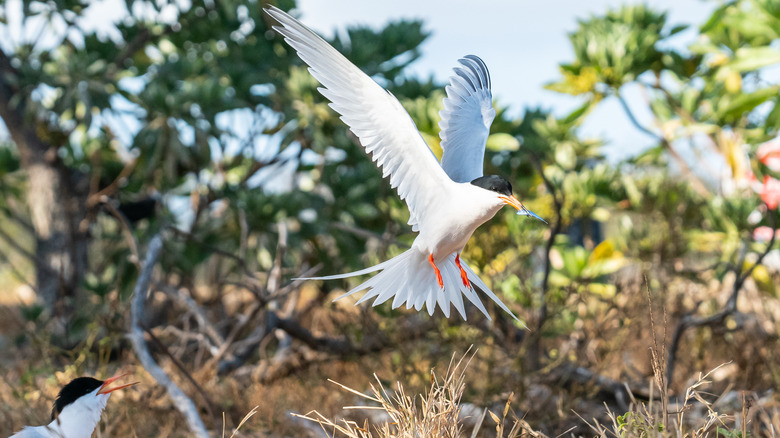
Sitting along 70 miles of wild Connecticut shoreline on Long Island Sound lies a network of protected areas that make up the Stewart B. McKinney National Wildlife Refuge. In one of the most beautiful places in the Northeast, it covers over 1,000 acres of tidal wetlands and barrier beaches and is home to some of the oldest maritime forests in the state. The refuge is part of one of the last remaining untouched coastal habitats in Connecticut, providing an important space for much of the area's wildlife and migratory birdlife, including the endangered roseate tern.
Established in 1972, the refuge land was partly donated by the conservationist and journalist Esther Lape, who lived in Westbrook. Several buildings and stone structures remain, dating back to the time when it was used as a private estate. Connecticut's first wildlife refuge was renamed in honor of late U.S. Congressman Stewart B. McKinney in 1987, who played an important role in expanding the refuge into the protected area it is today and to whom there is a small memorial dedicated on the Chimon Island Unit.
Although open to the public, the largely underdeveloped ecosystem focuses primarily on habitat protection and sustaining the local wildlife, making it ideal for those who are seeking an out-of-the-way, crowd-free experience. Spread out along the coast heading east from Stratford, it makes for a quiet escape from New York City and takes around two hours to drive to the refuge's headquarters in Westbrook. Given that each of the 10 units are spread out, the refuge is best explored with a car — though some islands are only accessible by boat. Open year round, entry to the refuge is free.
Birdwatching at Stewart B. McKinney Wildlife Refuge
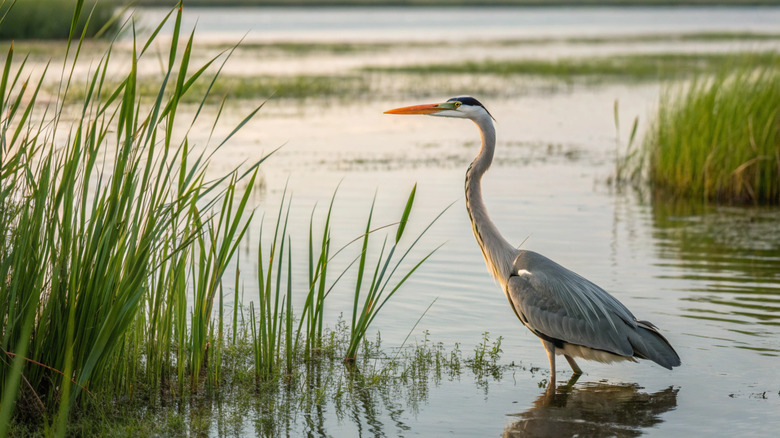
Home to an abundance of wildlife and birdlife, nature lovers and birdwatchers will be in their element here. The shorelines of Long Island Sound sit along the Atlantic Flyway, a major migratory route, providing feeding grounds, rest stops, and, in some cases, breeding sites for thousands of birds. While many species can be seen across the refuge, the Milford Point Unit in the quiet coastal town of Milford is one of the state's best birdwatching locations. Mudflats and sandbars attract shorebirds, waders, and waterfowl, with the salt marshes providing ideal cover for nesting sites. Visitors can walk along the shoreline — although parts of the beach are closed during nesting season — and there's an observation deck at the entrance to try and catch sight of American oystercatchers and piping plovers.
Over at Great Meadows Unit at Stratford, in one of the largest remaining coastal wetland habitats in Connecticut, more than 270 species of birds pay a visit here. It's also where diamondback terrapins and horseshoe crabs come ashore. Visitors should head out along the two short trails to the observation decks for a chance to see great blue herons and kingfishers.
To entwine some history with your wildlife watching experience, head to the refuge headquarters at the Salt Meadow Unit in Westbrook. Historic buildings include the Lape-Read House, which Esther Lape and her partner Elizabeth Read used as a country retreat when not at their New York home. They often hosted friends, including Eleanor Roosevelt. Several stone structures can be seen along the interpretive woodland trail, including an original stone table where Lape and Read would sit looking out over the salt marshes. The 18th-century Enoch Murdock House was the first built on the property and an important site of early colonial settlement history.
Outdoor activities around the Stewart B. McKinney Wildlife Refuge
Connecticut is one of the best states for hiking, and to explore the wildflower meadows and deciduous woodland in the refuge, the Salt Meadow Trail is an easy 1.2-mile walk, making it ideal for families and children. Interpretive signs provide information on the wildlife and history, and bird song accompanies you along the way. Paths meander through the trees and by the water's edge, leading up to Murdock Hill. As with all trails in the refuge, the wetland habitat unfortunately means mosquitoes are common, so be sure to take insect repellent. Long pants are also recommended to avoid ticks.
While the trails allow you to explore the landscape on foot, kayaking, canoeing, or paddleboarding along the nearby Menunketesuck River will give you a different view of the refuge. Equipment can be hired from Black Hall Outfitters in Westbrook, with a full-day single kayak rental costing around $75. Kayakers can also head offshore to some of the refuge's island units, such as Sheffield Island and Chimon Island, where you can land on the beaches. Always check beforehand to see which islands are accessible, as some have a strict no-landing policy to protect the wildlife and nesting sites. For this reason, no dogs are allowed anywhere in the refuge.
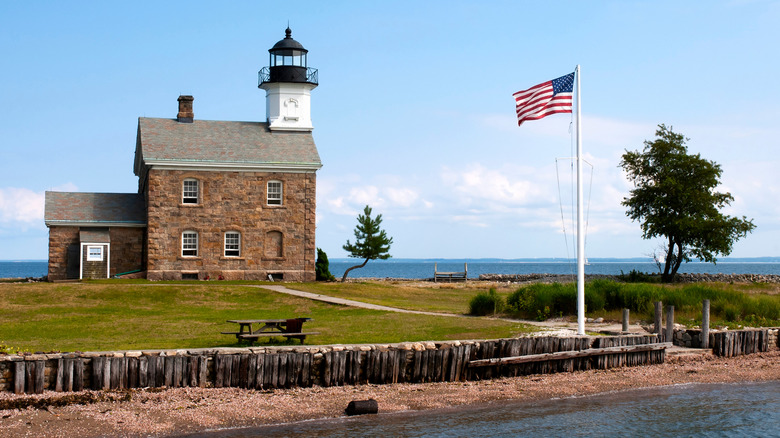
While kayaking is possible to Sheffield Island, it's only recommended for experienced kayakers because of tides and currents. The best way would be to take a guided boat tour. From Memorial Day through Labor Day, the Norwalk Seaport Association runs narrated tours for $42, where you'll have around an hour and a half to explore the island and visit the historic Sheffield Lighthouse.