

Some US Airports Don't Have TSA. Here's How They Handle Security Screening
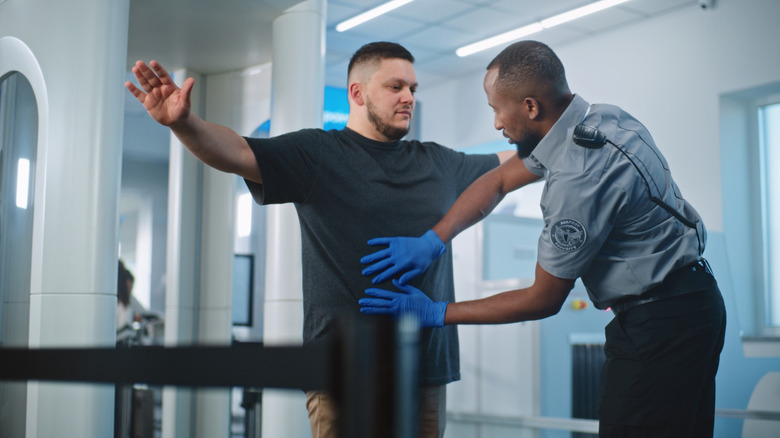
Most travelers associate airport security checkpoints with federal Transportation Security Administration (TSA) officers in their blue uniforms. But at about 20 U.S. commercial airports this is not the case, where private contractors perform the security and screening checks instead. These airports are participating in what is known as the TSA's Screening Partnership Program (SPP), which was launched in 2004.
The program contracts qualified private companies to perform security screening services. These private companies run daily operations under federal oversight and must comply with every TSA procedure, policy, and guideline without exception. Commercial airports can apply to the program by submitting requests to their local Federal Security Director and approval occurs when the arrangement made will not compromise security, harm cost efficiency, or reduce screening effectiveness for passengers or property. These standards are set by the FAA Reauthorization Act of 2018.
Participating sites include smaller airports like Tupelo Regional Airport in Mississippi, and Dawson Community Airport in Montana. Mid-sized airports are also participating with airports such as Kansas City International and San Francisco International Airport — the busiest in the program. No participating airports operate outside of federal aviation security rules, and TSA still holds jurisdiction over security standards and the equipment used for screening.
How screening works at SPP airports
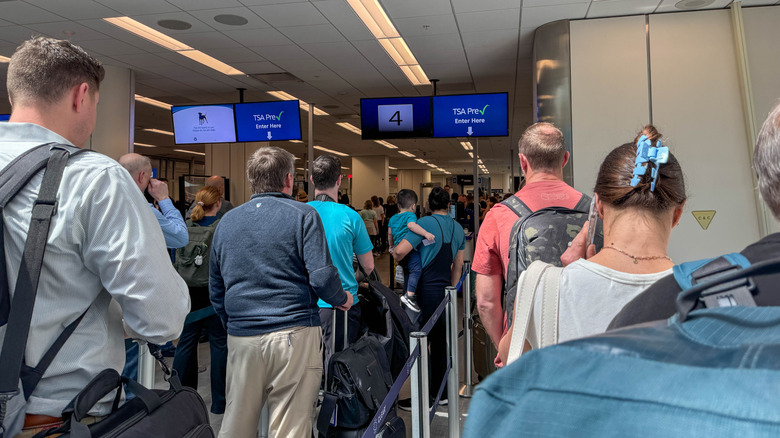
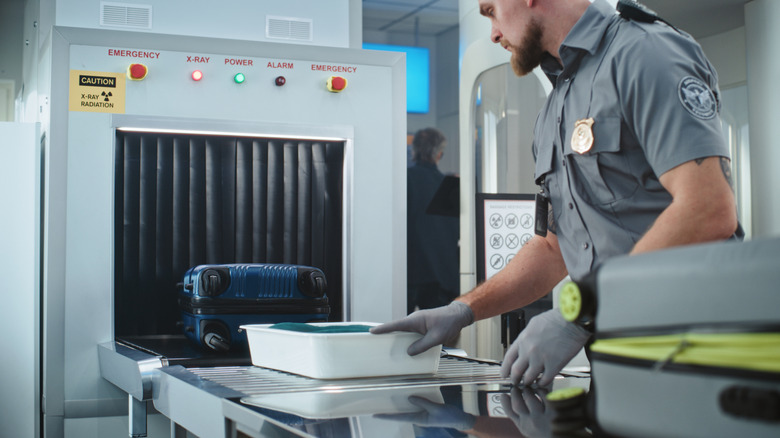
Passenger experience remains about the same at SPP airports as it does at airports staffed directly by TSA officers. Some passengers might not even notice a difference. Private screeners check identification, scan bags, and operate body scanners much the same as TSA officers. The only difference is that these screeners are employed by a contracted vendor.
The TSA Federal Security Director at each airport still oversees all security matters, like incident responses and stakeholder coordination. The hired security vendors must use TSA provided screening technologies and equipment, and all procedures follow TSA's standard operating guidelines to a tee.
TSA monitors the performance of the private vendors and claims that passenger wait times stay comparable to those at federalized airports, only varying due to passenger volume. Any federalized airport is eligible to apply for the SPP.
Why airports choose SPP
Airports often choose to join SPP primarily for operational flexibility, like during government shutdowns, which can lead to a lack of funding for government employees, like airport security agents. Federal TSA officers can face unpaid work or staffing issues during these shutdowns, as we have seen many of in 2025 and 2026. This can slow screening lines down tremendously. Yet SPP contractors continue to receive pay as their funding is pre-allocated through federal contracts made with the vendors, which keeps TSA screening lines open and flowing.
This smoothness brings the program forward as a practical model that can minimize travel disruptions. San Francisco International (SFO) is a solid example of success in the program. It is one of the busiest airports in the program and one of the country's busiest airports overall but has managed to maintain smooth operations even during government shutdowns. It isn't struggling with travelers frustrated over long TSA lines like many other airports across the country.
Some critics of the program, like the union representing federal screeners, caution against viewing privatization as a catch-all solution, arguing that it could erode job protections, wages, and benefits while introducing potential inconsistencies in workforce stability. The SPP serves 20 sites around America and continues to deliver the same thorough federal security checks travelers expect and have experienced nationwide. The same airport security do's and don'ts still apply, but flying at an SPP airport, especially during a government shutdown, could be an airport security secret you need to know.