

The New National Parks ID Rule US Citizens Need To Know Starting In 2026
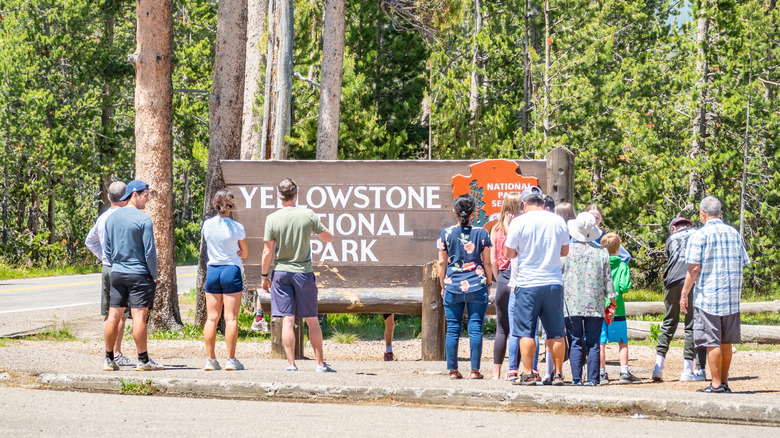
As of January 1, 2026, a visit to one of the most popular U.S. national parks could be more expensive than expected. The latest step in the Trump administration's "Making America Beautiful Again by Improving Our National Parks" executive order makes it so that non-residents will have to pay $250 for an annual pass — that's more than three times the previous cost of $80. Alternatively, visitors can opt for the standard $15-$35 one-time entry fee but now pay a $100 additional surcharge. While U.S. citizens are exempt from these higher national park fees, those who can't produce the required government-issued ID upon arrival at 11 specific parks will be treated as foreign visitors and charged accordingly. The affected parks are Acadia, Bryce Canyon, Everglades, Glacier, Grand Canyon, Grand Teton, Rocky Mountain, Sequoia & Kings Canyon, Yellowstone, Yosemite, and Zion.
The policy claims to improve affordability for U.S. citizens while raising funds for conservation projects and essential park repairs. Supporters of the new system believe it will help conserve the beauty of the national parks for future generations, while critics have concerns over how it might lead to a dramatic decline in tourism to the U.S. The move could be a response to similar pricing structures already in place in parts of Europe, where non-EU visitors are charged higher entry fees at certain famous landmarks.
Why US citizens may be charged non-resident fees
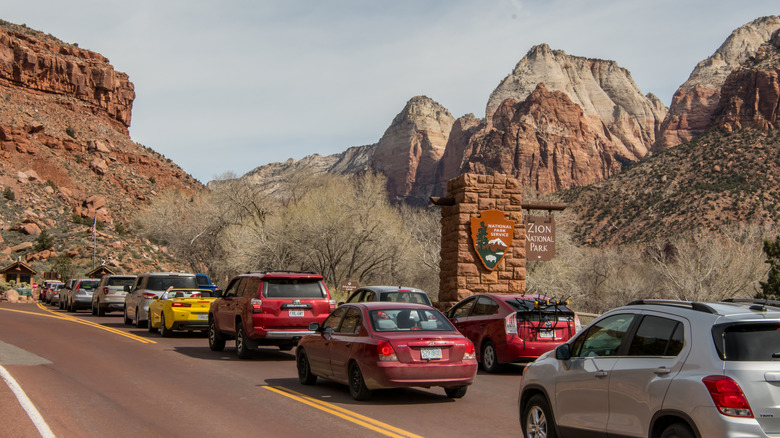
Enforcement of the new identification rule means you need to present your government-issued photo ID upon entry to some of the most beautiful American national parks. Accepted documents include a U.S. passport, a U.S. state or territory driving license, a state-issued ID card, or a Permanent Resident card. It's not yet clear whether provisions will be made for U.S. citizens traveling without the required form of identification. This is particularly concerning for van lifers and road trippers, dual citizens, Americans living abroad, or visitors arriving on group tours who may be at risk of being charged non-resident entry fees if they can't verify their status there and then.
While many U.S. citizens support the move, others are concerned with issues around privacy, freedom, and surveillance and question whether the increased fees will lead to a decrease in international visitors, leading to an overall decline in inbound tourism. Others are worried about the potentially longer queues because of the time it will take to verify identification. With parks already being understaffed following last year's layoffs, this could put the remaining staff under additional pressure. Although some national parks are free to visit, you can buy an America the Beautiful Pass online or at over 1,000 federal recreation sites to visit the rest. Passes provide access to more than 2,000 federal recreation areas across the U.S. and cover the pass owner and anyone accompanying them in the vehicle. They are non-refundable, non-transferrable, cannot be replaced if lost or stolen, and must be presented with valid photo identification upon every visit.