

The Ten Most Expensive City Breaks In Europe Worth Visiting (And How To Cut Costs)

We live in a time when the cost of living is on everyone's mind. Operational costs soared in the aftermath of the pandemic as people emerged from enforced isolation. Demand for travel went up just as the supply went down. Discerning customers looked to budget travel hacks in a bid to travel on the cheap. Meanwhile, experienced holidaymakers turned their attention to a tried and tested way of escaping the daily grind without breaking the bank. The city break was back, and definitionally it was easy to grasp: a two-night stay in any given city, for two people.
To be clear, city breaks offer less value for money than more extended vacations. They are front-loaded with expenses: your flight won't be any cheaper, short-term car rental arrives sans weekly discount, and hotels aren't going to offer lower rates simply because you are only staying for a couple of nights. Still, substantial savings are ever-present; a fortnight's break offers a better price per day rate, sure, but three nights in Paris is still cheaper than 14.
Of course, even within the city break milieu, there are savings to be found. There are European cities where you can get a hotel room for less than an Airbnb, more than a few luxurious Parisian hotels you could easily skip, and any number of overrated tourist attractions to avoid in the name of saving a few dollars. However, some of the most expensive city breaks out there command a high price for a reason. Here then, guided by the British Post Office's City Cost Barometer for 2025, and tempered by a veteran traveler who knows how to squeeze a bargain out of even the priciest vacation, are the most expensive European breaks.
Nice, France
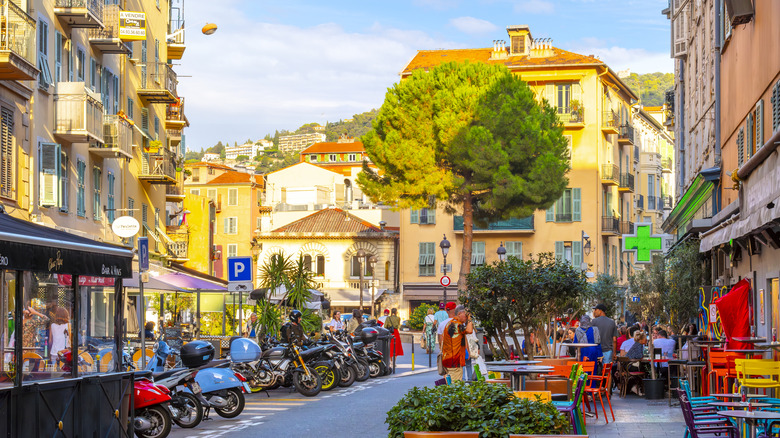
The Mediterranean Sea port of Nice is famed for its turquoise coastline, Baroque architecture, and stunning Promenade des Anglais. In recent years, plans to combat overtourism have begun to take shape; Nice remains one of the priciest city breaks in all of Europe, regardless. During the summer months, tourists flock to enjoy the fine weather of the French Riviera, but shoulder season excursions are also very much in vogue.
There's certainly plenty to see and do. During summer, you can spend your days languishing on the beach, but Nice is also up there with some of the most beautiful fall destinations you could hope to experience. The city's old town — the Vieux Nice — is littered with ancient churches, bustling markets, and a mass of independent craftsmen and family-run restaurants. The Colline du Château sits high above the city and makes for an excellent hiking and picnic spot. Meanwhile, the elegant Matisse Museum provides art lovers with a weatherproof place to while away entire afternoons.
Which is, of course, why a visit to Nice comes with a premium price tag. The average cost of a city break clocks in at around $730, with a three-course meal in a mid-range restaurant costing just over $90 without drinks. Heading over in winter nets a significant reduction in the overall costs. The weather is mild, the Christmas market is lively, and in February, although you might find a slight spike in prices during the city's bucket-list-worthy carnival, it's still not going to reach the heights of a summer excursion. A short-stay French Riviera Pass remains a cost-cutting option; it offers free entry to more than 60 attractions and can be purchased for as little as $35 a head.
Florence, Italy
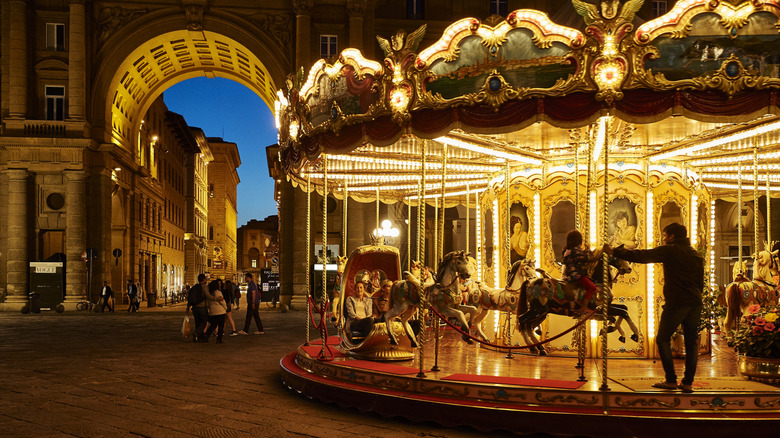
Florence was founded in the first century C.E. — although its Etruscan origins predate its Roman persona by several centuries. The birthplace of the Renaissance and capital of Tuscany, the surrounding region is home to some of the oldest villas you can stay at in Italy. Tempting though such rentals are, the pull of the city itself is difficult to ignore.
There's a surfeit of must-see landmarks to explore for starters, ranging from the magnificent Cathedral of Santa Maria del Fiore, the world-class Uffizi Gallery, and the Palazzo Vecchio, a 13th-century palace steeped in Renaissance history. Indeed, the whole city is something of an open-air museum: Michelangelo's David draws huge crowds, the Ponte Vecchio serves as both a bridge and a browser's paradise, and the whole area is dotted with galleries, hidden gardens, and restaurants that can hold their own against the best that Italy has to offer.
A draft beer is going to set you back seven dollars here, with a total break cost running to $760. Prices are higher during the summer, but the shoulder seasons, which run from April to June and then again from September to October, offer significant savings. As with Nice, a city-wide museum pass is available for purchase, but here, it costs a little over $100 per adult and lasts 72 hours. Unless you intend to try to cram an awful lot into your city break, it's cheaper to pay as you go or spend your time admiring some of the many free attractions, such as the aforementioned cathedral. Regardless, the city is best explored on foot — which is always a budget-friendly hack to consider when travelling — and, although luxury accommodations abound, there are bargains to be found if you time your visit just right.
Barcelona, Spain
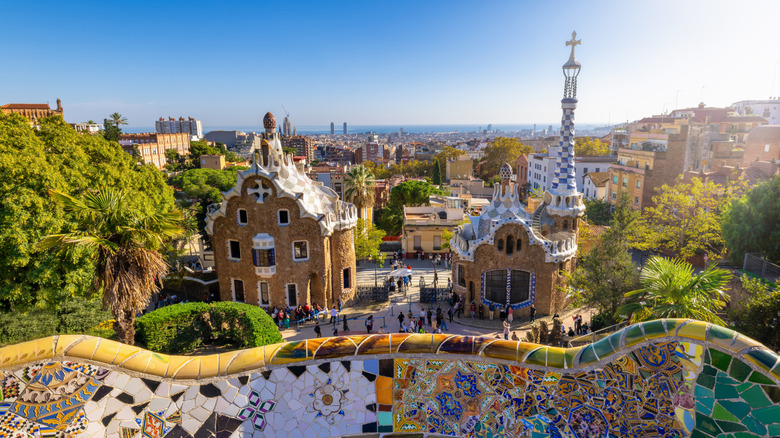
Barcelona might have a ruthless reputation for pickpocketing tourists, but it is so inundated with overnight visitors that plans are already afoot to double its tourist tax. As the capital of Catalonia and a major Mediterranean port, the city is inundated with cruise ship stopovers. It is unsurprisingly popular.
Visitors flock to its gothic quarter to immerse themselves in the city's rich history and explore its many landmarks: The Cathedral of Barcelona, the foodie paradise that is the Mercat de la Boqueria, and the imposing Plaça Sant Jaume all lie within walking distance of one another. Meanwhile, those willing to head a little further into the depths of the city can discover the majesty of the Basílica de la Sagrada Família, the modernist splendor of the Recinte Modernista de Sant Pau, or spend an afternoon wandering through the technicolor peace of the Park Güell. Sunseekers also have access to over three miles of fine beaches, although, once again, overtourism has turned them into something of an acquired taste for those confessing to a hint of agoraphobia.
The city break price of just under $760.00 (the City Costs Barometer ranks it more expensive than Florence by just a few pence) and a McDonald's combo meal at $14 acts as a further disincentive to a spur-of-the-moment booking, but, as always, there are ways to plan a trip here without breaking the bank. To start with, the tourist tax hike has yet to come into full effect. The current rate varies, but comes in around $6per person per day, meaning there are genuine savings to be had by ticking the city off sooner rather than later. Secondly, in what must surely by now be a familiar hack, visiting the town during the off-season brings the average price down while also helping to thin out the crowds. Spring and winter certainly stand out in this regard.
Dublin, Ireland
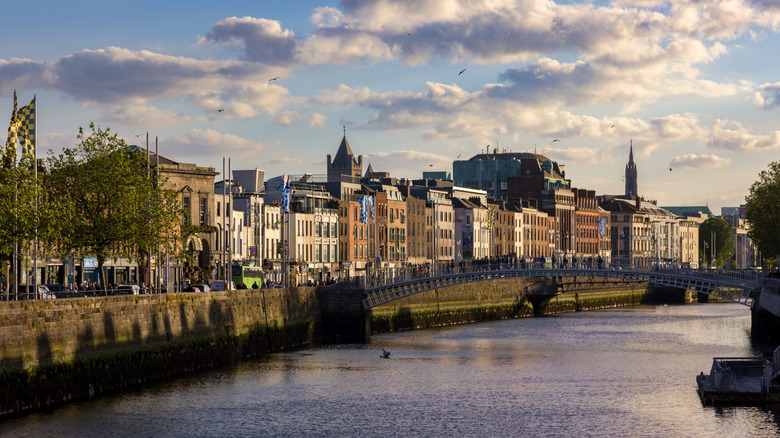
Dublin is a lively, overpriced, and much-loved city. It is home to one of Europe's most beautiful universities, houses one of the most famous breweries in the whole world, and offers visitors a plethora of fine galleries, museums, and sites of historical interest. Little wonder then that a city break here clocks in at a rather steep $767.
Many visitors are happy to take the trip to the Irish capital just to soak in the atmosphere alone. The vibrant, pub-centric nightlife is home to one of the most influential music scenes in Europe, and its blend of traditional and modern music makes it a genuine mecca for audiophiles the world over. Still, a tour of the castle should be high on everyone's bucket list, and everywhere, there are hidden gems to discover, such as the lesser-known Iveagh Gardens, a park filled with hidden areas that genuinely soothe the soul. Ireland's reputation for simple yet nourishing fare is also well represented in the city, but you can also expect to find much in the way of fine dining and a surprisingly robust street food culture.
In terms of saving money, there is, perhaps, less wiggle room than you might like. Prices come down during the shoulder seasons, but such discounts are restricted to accommodation costs. Still, there are daily travel cards you can buy and the odd hostel that offers somewhat reasonable rates. There are also plenty of reasonably priced attractions, such as the museum of literature, and highly recommended picnicking opportunities on St Stephen's Green, that can help lower the bill.
Geneva, Switzerland
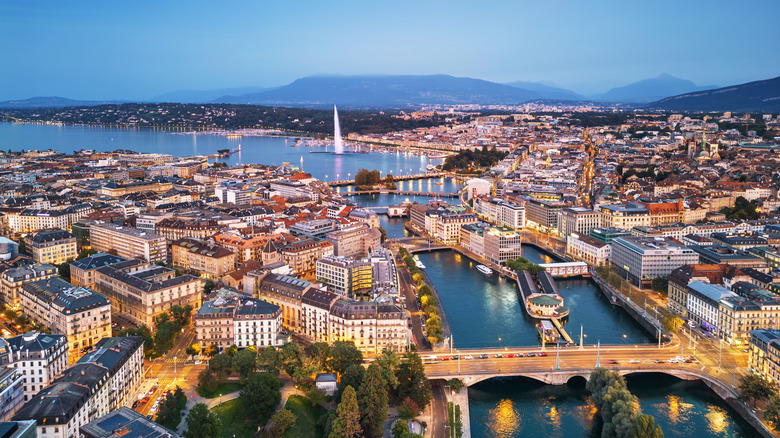
The average cost of a two-day city break in Geneva comes in at $769, and for those who have spent any time in Switzerland's second-largest city, that hardly comes as a surprise. The cost of a Big Mac here stands at $7.99, the highest in the world. Such extravagant prices do not stop there.
The cost-of-living index in Geneva ranks second-highest in the world behind only Zurich itself, a reality offset somewhat by the relative wealth of its citizens. Switzerland ranks eighth in the world in purchasing power parity. That's great news for those living there, but for the itinerant explorer, it means having to deal with high prices, high demand, and low supply. A peaceful cruise across Lake Geneva, for example, is an expensive undertaking, with adults expected to pay around $25 for a one-hour tour of the more famous landmarks. Meanwhile, no visit to the city's gorgeous Old Town would be complete without a stop at St Peter's Cathedral, and nor could you be forgiven for skipping the sights and smells of the city's Sardinia quarter. Known as the Carouge, it is Geneva's foodie epicenter, well-known for its boutique galleries, craft shops, and energetic markets.
Thankfully, a city pass is available for those looking to keep costs down. Available for 24 to 72 hours, it comes in two flavors: with and without public transport included. The former will set you back $54 per person for two days of access to free or discounted activities across 60 or so locations. If you feel like stretching your legs, the same pass can be bought sans transport for just over $40.
Amsterdam, Netherlands
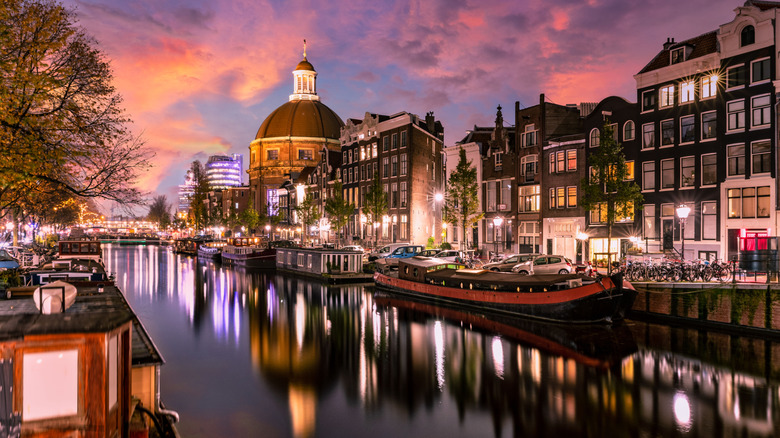
The capital of the Netherlands is suffering from a similar problem to Dublin when it comes to property prices. The city's supply of affordable housing has reached critical mass; in recent years, homelessness has almost doubled, while the average price of a house sits at over $833,000. For those looking for family-friendly things to do on their next trip there, this reality points to one thing and one thing alone. The city is an expensive place to visit.
The average price of a two-night stay is nearly $790. True, there are budget-friendly areas you can stay in and, yes, those who are flexible when it comes to choosing the best time of the year to visit are liable to save more than a few pennies. Indeed, mid-spring is a time of festivals and flower blooms, and, although the weather is liable to be mild and at least somewhat wet during such times, Amsterdam is so chock-full of things to see and do that there is a good chance you will barely notice.
As you'd expect, art galleries are a highlight here; the Van Gogh and Rembrandt museums are so obviously fantastic that they barely need mention, but you'll also find collections of Vermeer and other Old Masters on full display year-round. Meanwhile, walking by the canal, aided by the city's 1,200 bridges, lets you take in the distinctive architectural style of the old town for free, while its café culture allows you to grab a quick bite without delving too deeply into the family fortune.
Venice, Italy

It's no secret that Venice has an overtourism problem. The influx of travelers has become so severe that it is not only leading to depopulation, but the city itself is sinking from all the extra added weight. Venice is also a poster child for overrated tourist attractions to avoid, with crowd draws such as St. Mark's Basilica commanding high prices, and during the summer at least, horrendous waiting times. Hotel prices are high, touts selling tat are everywhere, and even food commands a premium despite not always living up to Italian standards of excellence; there are very few wood-fired pizza ovens in the city. Yes, stunningly, Venice serves a lot of bad pizza.
Finding a way to mitigate the nearly $800 price tag for a two-night stay requires forethought and more than a little finesse. To start with, there are, of course, the shoulder seasons, which run from March to May and from September to November. The low season, however, is the only real time to avoid the crowds. Sadly, during this December to February period, many attractions are closed, and the weather is anything but clement. Still, sticking to prix fixe menus can help reduce the bill year-round, and avoiding the crowds by selecting one of the many quaint towns close by as a home base is a pro-tip for budget travelers.
Edinburgh, Scotland
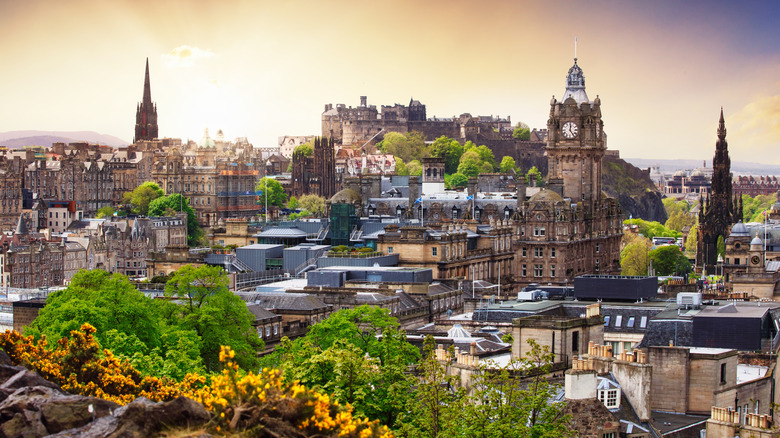
A stunning castle, breathtaking views, and a UNESCO heritage old town have long placed Edinburgh high up on people's lists of must-visit cities. The Scottish capital is famed for its spooky subterranean tours, and is one of the best places in Europe when it comes to browsing charming bookshops. It is a city steeped in whole strata of history, starting with its medieval origins and moving towards the modern era. It also just so happens to be an expensive place to visit.
At $812 for a two-night stay, and around $24 for an inexpensive meal, the cost creeps perilously close to $1,000 barrier. Accommodation rates are consistently high, but during the Edinburgh Fringe – the largest performing arts festival in the world — prices shoot up dramatically (if you can find somewhere to stay at all). Still, therein lies the potential for savings.
The sky-high prices you'll find during the festival season run from July 1 to the 31st of August. On either side of those dates, cheaper rates abound. True, shoulder season visits run the risk of inclement weather, but, in truth, as anyone who has spent time hiking through picturesque views of the Scottish Highlands can attest, few people travel to Scotland in search of sunshine. Still, with so much on offer, city passes remain pricey regardless of the season: a two-day pass costs over $100 per adult.
Copenhagen, Denmark
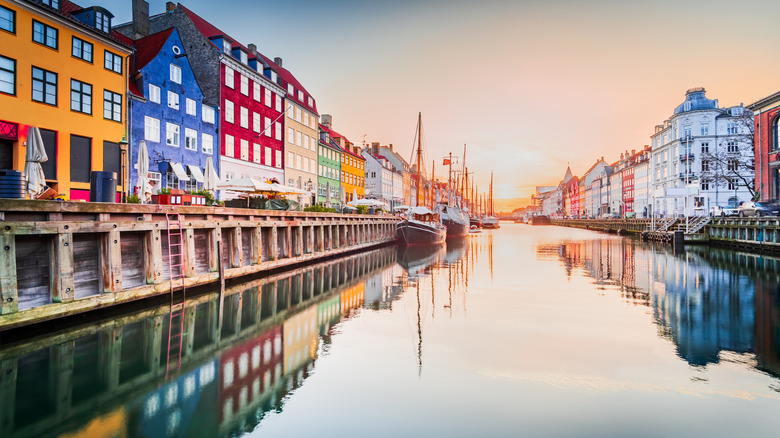
Copenhagen is a city of etiquette rules to learn, tourist traps to avoid, and is home to one of Europe's finest Christmas markets. It is a place of fine cuisine, a place to explore on foot and by bicycle, and it topped the 2025 Happy City Index. Visitors come to embrace hygge — that Danish sense of intrinsic coziness — to reminisce over the works of Hans Christian Andersen and to immerse themselves in the city's Viking heritage. It's spectacular, and it comes with a rather hefty price tag.
That tag comes in just under $850, making it the second most expensive city break option in Europe. As you'd expect, much of the cost stems from the high price of accommodation, with top-end summer-season apartment rentals commanding prices in the thousands of dollars. More modest offerings can be found dotted all over the city, and you'll certainly find better deals during the shoulder seasons, but trying to keep costs down remains an uphill battle.
The Copenhagen Card helps, as such ventures often do, but a 48-hour card offering unlimited transport and free access to 80-plus attractions costs $130 per adult. For those with a less-dense itinerary, renting a bike and cycling to the city's stunning waterfront canal provides more bang for your buck. Meanwhile, taking some time to avoid the upselling of tourist trap hotspots can also ease the pain somewhat.
Oslo, Norway
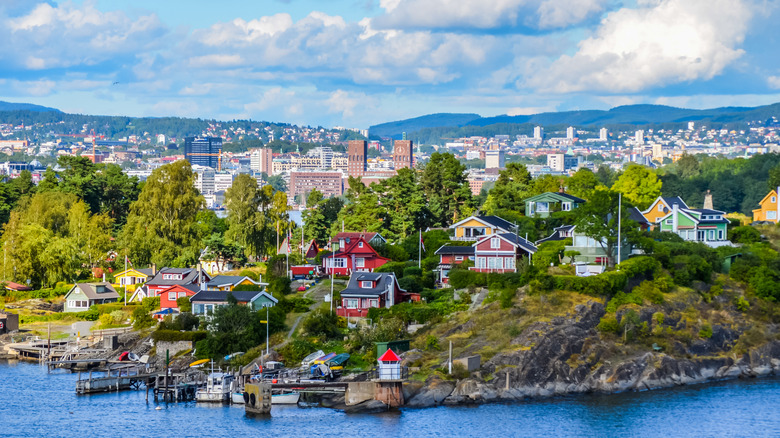
Every list has its apex, and Oslo does not fail to deliver. A city break here costs just under $860.00, while a draft beer runs to almost $12. Prices are higher in summer, and people flocking to the Scandinavian country in search of the best places to experience noctourism, find that the winter holiday prices are also subject to sudden spikes.
Norway is, after all, one of the richest countries on the planet, a land of high wages and commensurately high taxes. One of the best and safest places for female solo travel, the capital is filled with vibrant museums, architecture, and elegant buildings. The Munch Museum is a must-see, as is the Fram — the city's homage to the age of polar exploration. The world's largest sculpture park is open year-round, and a night cruise down the nearby fjord in search of the aurora borealis is worth the entry price every time.
Still, the city is undeniably and unavoidably expensive. A 48-hour Oslo Pass does little to alleviate the pain: it only allows travel on non-airport connection trains, not buses, and still costs close to $80 per adult. Included in that price, however, is free access to just about everything the city has to offer.
How we compiled this list
The British Post Office's City Cost Barometer was invaluable here. Produced annually, it offers an up-to-date guide to how much you can expect to spend in GBP; the converted USD prices listed here reflect the exchange rate at the time of publication. Other user-based sites, such as Numbeo, were also used to check against the average prices of everyday items.
Average prices are, of course, just that. High-end breaks are way more expensive, while slumming it in a hostel during off-season is way less so. Helpfully, I have visited each city at least once and picked up a few cost-saving tricks along the way. Such economizations have been included in the article where appropriate.