

The Absolute Best Destinations To Experience 'Noctourism,' According To Research
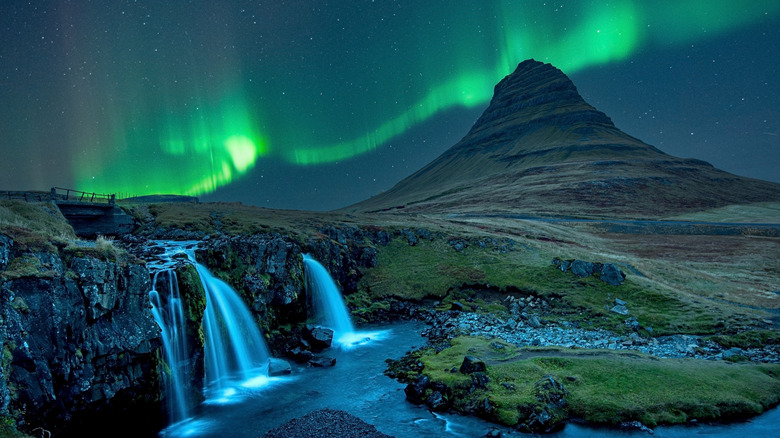
Traveling means different things for different people. Some spend endless days searching for the most gorgeous sunsets. Others seek to immerse themselves in the culture and history of faraway places, even as thrill seekers tick off bucket list adventures with morbid zeal. Vacations can be about sun, sea, and sand. Vacations can focus entirely on spa-centric self-healing. Hiking your way across picturesque trails deep within the Scottish highlands is heavenly to some, a nightmare to others. Regardless, nights are often seen as an off-switch moment, a time to unwind, to enjoy a meal with a sea view, or a mug of cocoa by a campfire. But what if the dimming of the light is itself the main attraction? What if the vacation is something of a nocturnal affair?
Few delineations are as absolute as the transition from day to night. The evening brings with it cooler temperatures, wardrobe improvisations, and security concerns for solo female travelers. The night can be mysterious, dangerous, and wonderful. The popularity of noctourism — an inevitable portmanteau if ever there was one — has risen sharply in recent years. Technology has helped drive the trend; smartphone cameras can pick up the majesty of the Earth's magnetic aurora borealis displays, for example, while night dives can be completed safely without the need for the costly and cumbersome equipment.
Meanwhile, tours that allow people to come face to face with displays of nature so often hidden from the daytime sky are just a few Google clicks away. Shining a light on the dark side has never been easier. Listed below and taken from both personal experience and a little good old-fashioned research are some of the best nighttime adventures around.
Sabah, Borneo, Malaysia
Malaysia is a nation of two halves. One part occupies much of the Malay peninsula, a narrow spit of land stretching into the Gulf of Thailand that is home to both Kuala Lumpur and the city-state of Singapore. To its east sits Borneo, the largest island in Asia, home to budget-friendly adventure holidays, stunning beaches, jungle safaris, and world-class diving. Taking in all that the island has to offer is a mammoth task, not least of all because some of the best events take place after the sun goes down.
At the most northern tip of the island, you will find the province of Sabah. A sprawling area filled with national parks and coral reefs, it is also home to the imposing Mount Kinabalu, a 13,435-foot peak of 15-million-year-old granite. It is, to put it mildly, a nature lover's paradise; orangutans share both forest and savanna with pygmy elephants, hornbill rhinos, and sun bears. Estuarine crocodiles wait patiently for prey as birds swirl overhead. It's an unforgettable experience at any time of day, but for a truly unique experience, you can't beat a nocturnal trip through the Bornean jungle.
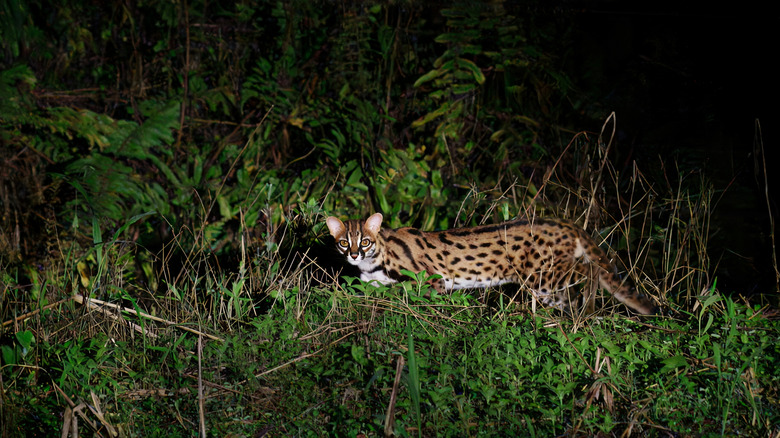
Herping — the observation of reptiles and amphibians — is one such reason to venture out at night. Poring's rainforest is home to sulfurous springs, treetop walks, and countless numbers of reptiles and amphibians. Many of them are nocturnal, and guided tours along the two-hour trek include such luminaries as Wallace's flying frog, the leaf-nosed pit viper, an occasional gliding gecko, and perhaps even a cuter-than-they-sound moon rat or two. Further to the southeast, at Tawau Hills Park, an after-hours excursion yields sightings of whiskered flying squirrels, the Kayan slow loris, and, if you're fortunate, perhaps even a clouded leopard on the prowl.
Phillip Island, Australia
Australia is often thought of as a contiguous whole, a continental landmass with a sunbaked center, a plethora of dangerous wildlife, and a coastline fringed with some of the world's most spectacular beaches. But it is also a place of islands — more than 8,000 of them. Some are mere specks on a map, others are hives of activity where treasure hunters gather in search of precious artifacts.
Still, there is at least one island where a nighttime sojourn brings with it hidden surprises of the most delightful kind. Phillip Island lies just off the coast of Melbourne, and visitors flock to the island over the summer months to ride some of Australia's best waves and enjoy its rugged coastline. Meanwhile, animal lovers are treated to a plethora of natural wonders: fur seals frolic in the surf, the mangrove wetlands hum with the beating of wings, and the penguins, well, the penguins march. At least, they do so at night.
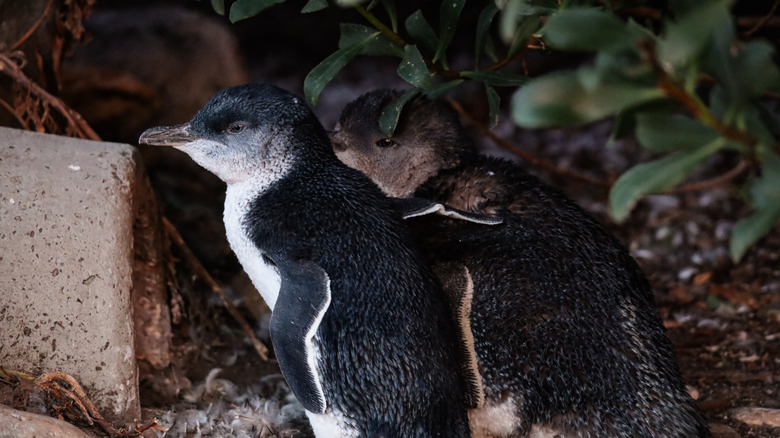
An estimated 32,000 fairy penguins call Philip Island their home. Small in stature — each bird is only around one foot tall — the penguins spend their day hunting for fish in the clear waters of Australia's southern coast, but as dusk approaches, they make their way back towards pre-dug burrows to wait out the night safe from predators. The nightly march is one of nature's most charming sights, and viewing platforms have been constructed so that visitors can watch the entire spectacle in comfort and style. Places are limited, so early booking is recommended.
Oaxaca (Mexico)
Mexico is, of course, a land so rich in unique festivals and celebrations that UNESCO has granted many of them the much-coveted status of having an Intangible Cultural Heritage. During the fall, the entire country takes part in the three-day festival known as Dia de los Muertos (Day of the Dead), but those looking to take a trip to one of the world's top-ranked cities will find much in the way of less familiar traditions, many of which have a decidedly nocturnal flair.
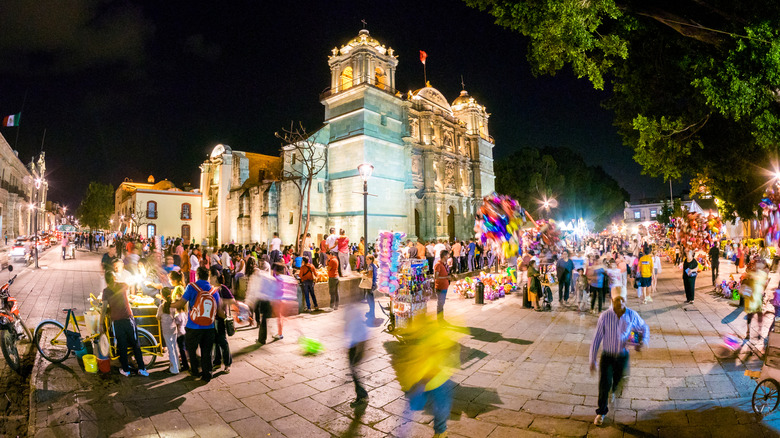
Oaxaca, which is both the name of a city and the state it resides in, is, in many ways, thrice blessed. The city's fine weather often allows festivals to work their way into the wee hours of the morning; nighttime wonders abound. The Night of the Radishes — Noche de Rábanos — might sound like something straight out of a 1950s drive-through cinema, but it is a tradition that is far older than that. On the 23rd of December each year, the town square is filled with stalls festooned with carved radishes. The displays vary from charming dioramas to ominous creatures that loom out form the depths of human imagination. Inedible thanks to the chemicals used to supersize the vegetable at night the decorations light up the square in a blaze of decorative splendour.
Meanwhile, the spectacular Martes de Brujas — Tuesdays of Brujas – is an annual culinary event which runs for a month of Tuesdays in February and March. The word brujas, though it literally translates to "witches," refers here to a special kind of lantern, conical with an open flame at the top. They light up the square each Tuesday evening, and locals and visitors alike gather in significant numbers to enjoy hot tamales and other treats that date back to Aztec times.
Andalucia, Spain
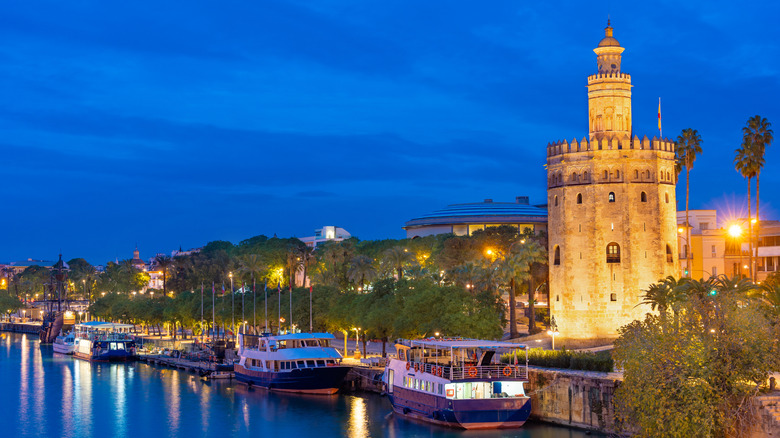
Andalucia is a beloved European destination that is as perfect for solo female travel as it is for families seeking beach holidays or history so rich in cultural timbre that you could sharpen a knife with it. As the southernmost province of Spain, Andalucia is blessed with North Africa-like weather; summer temperatures regularly approach 100 degrees Fahrenheit, and rain is infrequent. Locals are fully aware that the days can bring unbearable heat.
But the nights are cooler and filled with more nocturnal delights than you might expect. Seville is the largest city in the region and is not only one of the best destinations in Europe to escape the frigid winter, it is also eminently affordable. Its vibrant nightlife is a year-round affair, but for those looking for an alternative to the traditional beauty of a fall destination, a visit in early October can be most welcoming.
La Noche en Blanco – the White Night — is a celebration of the city's long and varied reputation as a patron of the arts, center of craftwork, and love of community spirit. It takes place in early October every year when, as the sun goes down, museums open their doors to visitors, offering tours that carry on through the small hours of the morning. There are pop-up concerts to explore, historical routes to navigate, and workshops to attend. The street food is also fantastic; many of the city's markets stay open late during the White Night; pro tip, the salmorejo – a cold tomato soup topped with egg and Iberian ham — is to die for. Best of all, most events are free, and the city itself is masterfully illuminated in order to highlight the beauty of its architectural heritage.
Lapland, Finland

In Lapland, during June and July is the land of the midnight sun — days there are 24 hours long, and at times you feel every minute of it. By December, sunlight hours have contracted down to less than two and a half hours a day. Such near-eternal twilight, far from being an inconvenience, is an absolute gift to those looking for a nocturnal adventure.
With summer off limits for those seeking nighttime pursuits, a bias towards autumnal excursions or deliberate ventures towards arctic resorts with incredible views of the northern lights dominate. Yes, Finnish Lapland is a fantastic place to see the aurora borealis, and sure, booking a stay in a glass igloo is going to provide you with night skies that you can scarcely imagine. But stargazing is only part of what is on offer here.
Dog sledding by moonlight or snowmobile safaris across tundra bathed in perpetual twilight are activities you have to head way up north to experience. A trip to Santa Claus' village makes for a picture-perfect vacation in and of itself, but a reindeer sleigh ride in the dead of night is no less forgettable an experience. The three-hour round-trip includes a pit stop to warm yourself by a fire. Warm clothing is provided — and you'll certainly need it in the dead of winter — along with some sustenance for the journey back to camp in the form of a hot drink and freshly fired sausage.
Namib Desert, Namibia

There is a level two travel advisory issued by the U.S. Department of State that cautions people not to walk alone in Namibia, especially not at night. Would-be travelers to the southern African nation need to take precautions, but a curated adventure is far from out of the question. Indeed, away from the large settlements, Namibia offers the chance to experience an unforgettable destination filled with stunning beaches and incredible wildlife. And some of that wildlife only comes out at night
Astro tourism is a huge draw here. The clear air of the Namib Desert, coupled with an absolute absence of light pollution, offers skies so clear you won't need any skill at all to take some truly breathtaking shots. There are week-long self-drive camping trips – led by experienced guides, of course — that take you into some of the world's most unspoiled wilderness. By day, you can spot exotic birds and elephants, the skeletons of lost ships, and gravel plains that seem to stretch on forever. As the sun goes down, you'll have the chance to encounter wandering aardvark, prowling leopards, and, on the fringes of the desert, the occasional, indestructible honey badger of internet fame. As you settle down for the night, watching the stars wheel overhead as the hyena howl in the distance, the sense of isolation and serenity can be overwhelming at times. Still, few nighttime excursions are ever as rewarding as a trip up the Skeleton Coast, and to say it's worth the price of admission would be to do a disservice to the sublime nature of its untamed beauty.
Great Barrier Reef, Australia
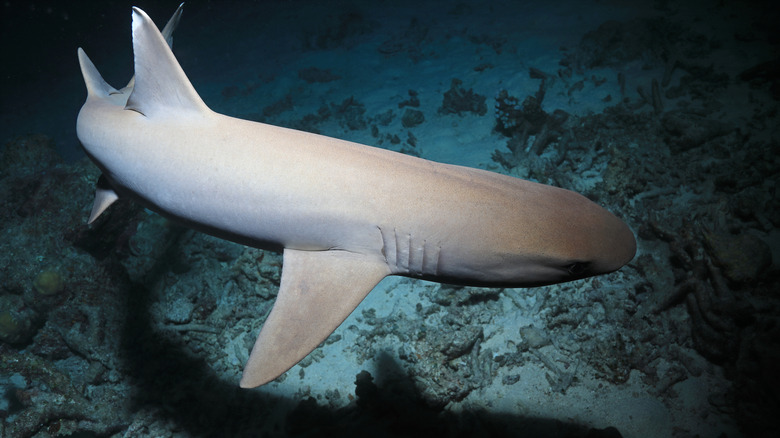
There is, of course, an ideal time to visit the Great Barrier Reef in order to experience the best possible visibility. Non-swimmers can view the reef from the comfort of a glass-bottom boat. Snorkelers are going to want clear skies in order to get the best views. But divers? Divers have a little more wiggle room to play around with. Many aquatic creatures are nocturnal by their very nature, and while a night dive most assuredly complicates things, when properly supervised, they open up an entirely new world of possibilities.
First up, safety. It almost goes without saying that anyone wishing to scuba dive in Australia needs a license. Basic training is essential for a safe dive, but additional lessons that address the challenges of different environments are just as crucial. Courses covering deep dives, the exploration of wrecks, and, of course, night diving are highly recommended. Just know that you'll need an Open Water certification before you can dive the reef after dark.
Those who arrive pre-armed with all the requisite paperwork are in for a treat. Reef sharks are near-omnipresent as they hunt for small fish and unsuspecting octopus-treats form under the cover of darkness. Turtles can be caught taking a nap in beds of coral while moray eels keep a beady eye out for unsuspecting prey. Some of the coral is bioluminescent, and while the parrotfish and rays settle down for the night, the crabs and lobsters emerge from their hidey holes and make for fascinating viewing. The difference is unironically like night and day; you really have not digested all that the reef has to offer until you've seen it under the cover of darkness.
Svalbard, Norway

Svalbard is something of an oddity when it comes to travel. The archipelago is located deep within the Arctic Sea and is — when all is said and done — something of a dream destination for those seeking adventure in the Fjords of Norway. Over the summer, the midnight sun proliferates, and during winter, you'll experience perpetual twilight. This far north, the chance of witnessing the aurora is high. For some, that's reason enough to visit in the first place.
Still, the night has plenty more to offer. The long nights mark the beginning of festival season. You can sit back and appreciate a little polar blues or jazz, sample fine Arctic cuisine, and even enjoy a movie or two as the wind howls. But there are also outdoor activities to enjoy. You can explore spectacular ice caves, cross miles of wilderness on rented snowmobiles, stride across ancient glaciers, and spy polar bears wandering across the pack ice. Other wildlife on display includes arctic fox, tern, Atlantic walrus, and Svalbard's very own subspecies of endearingly petite reindeer.
Luxor, Egypt
There is a level two travel advisory warning hanging over much of Egypt, but you'll also find that parts of the country have level four warnings. Such places should not be visited under any circumstances. Fortunately, Luxor isn't one of them and as such remains a genuine temptation for the itinerantly minded.
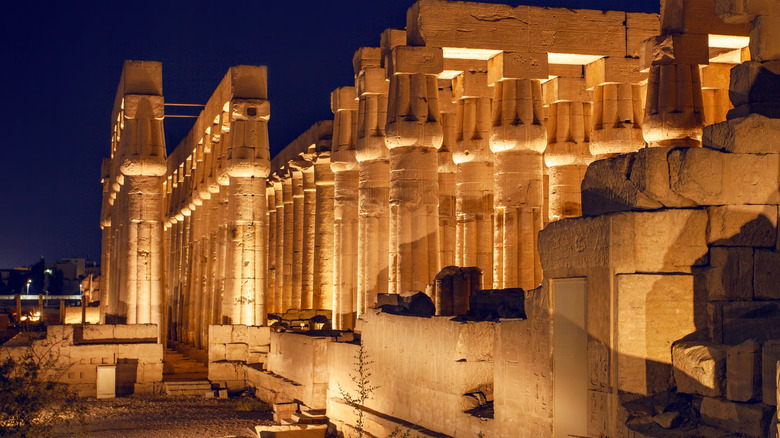
That Luxor is an essential destination for those wishing to view temples and tombs almost goes without saying. Situated on the banks of the River Nile, some 400 miles south of Cairo, the site once hosted the ancient city of Thebes, a sometime royal capital, and home to the city of the dead — a vast sprawling necropolis of tombs and temples. Exploring such places during the daytime is an absolute delight. Doing so at night is magical.
There are camel rides that set off at sunset that allow you to take in all that the west bank of the Nile has to offer, with a spot of tea at the halfway point, something of an added bonus. Taking a felucca — a traditional wooden sailboat — across the river towards the ancient temples is another option for those who don't like the thought of arriving via dromedary. Once there, light shows that bring the vibrant colors of the past back to life can be found in places such as the Karnak temple, one of the largest open-air museums in the world. Giant monuments cast shadows, tombs whisper secrets to one another in the evening breeze, as hieroglyphs glisten with dappled light from a thousand sources. It's bucket-list worthy stuff to be sure.
Petra, Jordan

Jordan's proximity to areas of active conflict means that there is a level two travel advisory in place, but, as with Egypt, there are parts of the country where this rises to level four. Thankfully, one of the nation's principal attractions — the much-famed archeological site of Petra — is far enough away from geopolitical flashpoints to remain a viable vacation hotspot. Finding the best time of year to visit is something of a personal choice, however — speaking from experience — the summer months are blisteringly hot. Still, one way of bypassing such barriers is to visit the ruins at night.
Those interested in a nighttime tour of the more than 2,000-year-old city will find themselves well-catered for. Tour companies offer stargazing and dinner tours — with the latter portion of the excursion consisting of local — and frankly delicious — food cooked in traditional clay ovens. Learning how to make such fare is also an option; some of the cookery workshops operate late into the night.
The real draw, however, is a visit during one of its regular night-time exhibitions. Hundreds of candles mark the way through the magnificent Siq canyon, leading you to the full majesty of the ancient temples, houses, and tombs of barely remembered kings. The air is filled with traditional Bedouin music as a projection show lights up the canyon with a dazzling demonstration of art, history, and nature's intrinsic beauty. Storytellers are on hand to help contextualize the historical timbre, complete the picture, and create a night few people will ever forget.
How we compiled this list
This list is the result of extensive travel experience combined with meticulous research. Recommendations were taken from trusted sources and cross-referenced with user reviews. Additional information was also taken from official tourist information boards, and meteorological data was double-checked across multiple sites.