

This Lesser-Known European National Park Is A Seaside Gem With Spectacular Sand Dunes
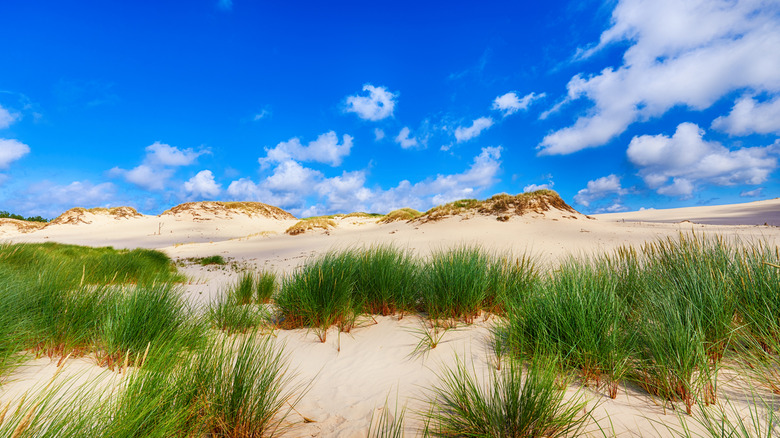
If you're heading for a beach vacation in Europe, Italy, Spain, and Greece probably come to mind. Poland probably isn't on your radar, but it should be, as this Central (not Eastern) European country is home to 480 miles of spectacular Baltic coastline and one of the most striking coastal environments on the continent. One shining example is Słowiński National Park, which is known in Poland for its vast, shifting sand dunes that can move up to 30 feet per year, burying and uncovering the landscape beneath them.
Up to now, Słowiński (pronounced swo-VIN-ski) has escaped the attention of most international tourists, but with the "coolcation" trend seemingly here to stay, it might not remain that way for long. July temperatures hover at a pleasant high of 69 degrees Fahrenheit, and Słowiński receives over 17 hours of daylight in high summer. In other words, now's the time to start planning for a summer trip to Poland before the secret gets out.
What to do in Słowiński National Park
If you're a fan of the epic white sand dunes of New Mexico's White Sands National Park, you'll fall for Słowiński in a big way. The park's star attraction is the dunes, and the most famous are called Łącka, which can tower up to 130 feet high, shifting across the landscape under the often strong winds that blow here. You can reach them via a scenic 3-mile hike or a trip on an electric cart through the forest from the nearby village of Rąbka.
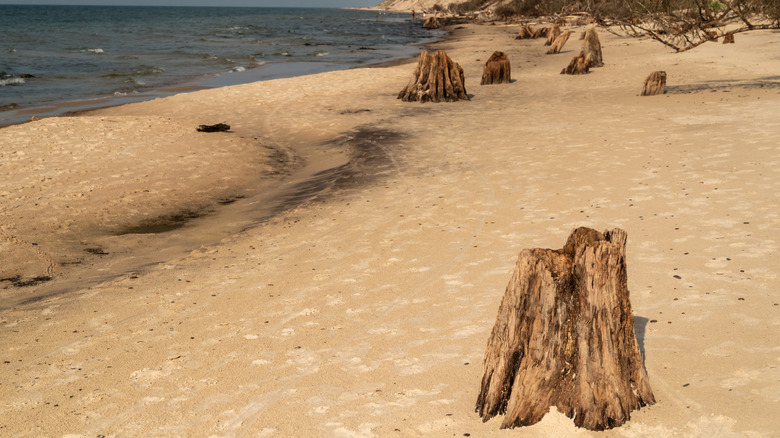
However, Słowiński isn't just about the dunes. You can visit the lighthouse at Czołpino and a sunken forest on the beach, where tree stumps have been almost swallowed by sand. Miles of trails weave through the park under the shady cover of the forests and around the lakes that dot the area. Łebsko — Poland's third-largest lake — offers cruises that drop you at two of the park's major attractions.
One is the Museum of the Slovincian Village in Kluki, an open-air museum with thatched cottages that is open to the public and offers visitors the chance to learn about traditional farming techniques. None other than European travel guru Rick Steves recommends these kinds of museums as a fun way to experience Europe's old-world culture. The cruise will also take you to the Rocket Launcher Museum, a missile-testing site from World War II, which sits just a mile from the dunes at Łącka.
Getting to Słowiński and exploring the Baltic Coast
Słowiński National Park is best reached by car from Gdańsk, a city Steves has called Europe's greatest still-undiscovered destination. The airport in Gdańsk is served by flights from all over Europe, and the city is easily accessible by train from other major Polish population centers. From Gdańsk, it's a two-hour drive through peaceful countryside to the national park. The closest town is Łeba (WEB-a), where you'll find a range of accommodation options, including hotels, private rentals, and campsites.
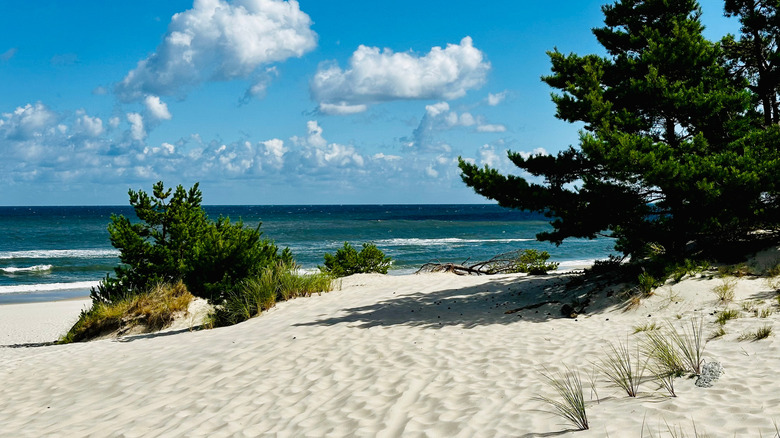
If you are traveling by car, take the opportunity to explore further along Poland's coastline. To the west, the pretty town of Ustka has a pleasant promenade, lively fish market, and a harbor populated by small fishing boats and pirate-style galleons offering tours out to sea. Heading east, you'll come to the Hel peninsula, a sandy spit of land extending into the Baltic. Despite the name, it's more of a beach-lover's paradise, and boasts white-sands backed by pine forests, with the crashing sea on one side and the calm Puck Bay on the other.