

5 Cape Cod Tourist Traps You Should Think Twice About Visiting
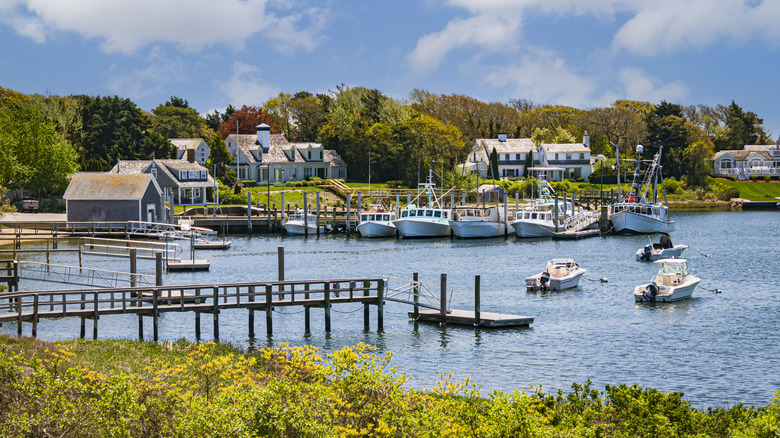
The scenic peninsula of Cape Cod, Massachusetts, is one of the most popular American tourist destinations. Located about two hours southwest of Boston, Cape Cod is known around the world for its classic New England maritime charm, gorgeous beaches, quaint villages, and excellent seafood. And while Cape Cod is definitely worth a visit, as with any especially well-known place, this distinction comes with certain drawbacks. Along with the giant crowds that flock to Cape Cod, it's also home to some of the biggest tourist traps in New England.
Your journey to Cape Cod will potentially begin with a literal tourist trap: traffic on Route 6, one of the only bridges that crosses to the Cape. Traffic in general around Cape Cod is famously terrible during the high season (and so is parking). Locals recommend the longer, scenic route of 6A, and leaving very early in the morning or later in the evening to beat the traffic. Or, visit in the slower seasons. Cape Cod is the ideal East Coast summer destination to visit in the fall, with September in particular considered prime time, when the weather is still nice but the crowds have disappeared. Once you've planned your trip, there are a few more things to keep in mind, including five Cape Cod tourist traps you should think twice about visiting during your vacation.
Cape Cod National Seashore Visitor Centers
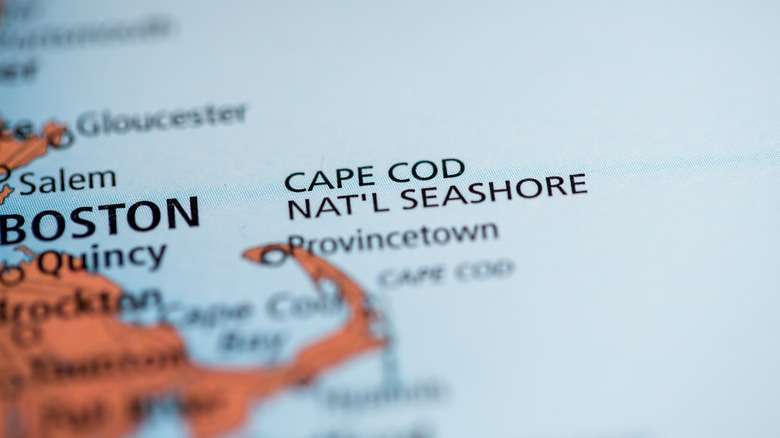
Cape Cod National Seashore is a gorgeous protected area spanning approximately 40 miles of beach, wetlands, and ponds. The Cape Cod National Seashore Visitor Centers, however, are a different story. They are free, and can provide some basic information, but locals warn that you shouldn't expect more than a few brochures and an exhibit or two.
Instead, save your indoors time for one of the Cape's better museums. The Provincetown Museum, in the eponymous town, a New England gem on the tip of Cape Cod, gives a good overview of the area's history. Part of the museum is the Pilgrim Monument granite tower, dedicated to the settlers who came over on the Mayflower and first landed in Provincetown before ultimately settling in Plymouth. The Provincetown Museum also features the world's first permanent exhibit dedicated to telling the iconic story of the Pilgrims from the Indigenous point of view, in "Our Story: The Complicated Relationship of the Indigenous Wampanoag and the Mayflower Pilgrims."
For those hoping for more of a nature focus, visit the Cape Cod Museum of Natural History in Brewster. Here you'll find indoor and outdoor exhibits about the various ecosystems and animals that live on the Cape.
Certain beaches
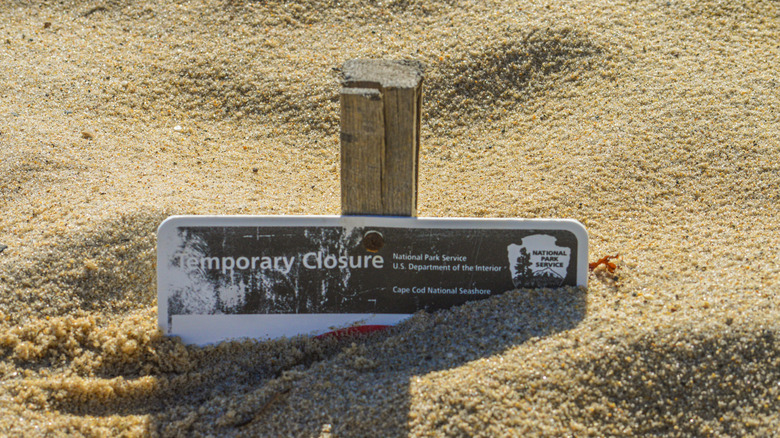
Not every beach is created equal, even on the idyllic coastline of Cape Cod. One such example is Newcomb Hollow Beach in Wellfleet. This undeniably picturesque stretch of sand has also been named the most dangerous beach for swimming in New England. This is partly due to increased Great White shark sightings, and even a shark attack that proved fatal in 2018. The waters at Newcomb Hollow Beach are also quite cold, and prone to strong rip tides. So swim here at your own risk!
Another beach with mixed reviews is South Cape Beach State Park in Mashpee. This beach can suffer from an excess of bugs, high parking costs, lack of open sand, and overcrowding in the summer. Certain times of year, South Cape Beach is also overwhelmed with seaweed or other debris, making both swimming and relaxing in the sand not so great.
Crowded beaches and expensive parking are just facts of life during a Cape Cod summer. Consider visiting in the off-season, or do like the locals do and spend time at the beach early in the morning or in the evening. You may also want to consider carpooling or finding a way to the beach without a vehicle to avoid paying for parking, which can cost up to $40/day for out-of-state plates.
Miniature golf

No judgement if miniature golf is your life — it can certainly be fun, especially if you have hand-eye coordination. But on Cape Cod, the miniature golf places are generally considered overpriced tourist traps, and are often found in areas full of other such businesses, like pricey souvenir shops and chain restaurants serving generic food. These things have their time and place, but you're in Cape Cod, after all! Don't forget to take advantage of the world-renowned charm and shop local, get fresh seafood right off the dock, or spend time wandering the quaint towns and natural attractions.
Most locals agree that the tourism strips in places like Hyannis are easy to avoid. Head to lesser-known destinations down the Cape, like Truro on the northern section of the peninsula. And if you must go mini-golfing (if you have kids, for example), no shame! Expect a mark-up in this heavily touristed region, and try Harbor Lights Mini Golf & Ice Cream in Brewster, which makes both adults and kids happy by serving beer, wine, and ice cream.
Ferry rides to the islands

It's a known travel hack to use a ferry trip as a sightseeing boat tour, as the ferries tend to be cheaper yet don't skimp on the views. This is not the case in Cape Cod, however. Offshore of Cape Cod lie "The Islands," the iconic Nantucket and Martha's Vineyard. To reach these islands, ferries (or planes) are necessary. Unlike many other destinations, though, they are not cheap, tend to be overcrowded, and are often delayed. Plus, you'll end up waiting to embark and disembark for a long time, and chances of winds, fog, and other inclement weather are high even in the summer.
So, while spots in Cape Cod like Falmouth are certainly some of the American cities best seen from the water, avoid taking the ferry unless you're actually headed to one of the islands. Instead, consider joining a harbor tour, hop on a whale-watching boat, go deep-sea fishing, or even rent your own boat.
Honorable mention: Plymouth Rock
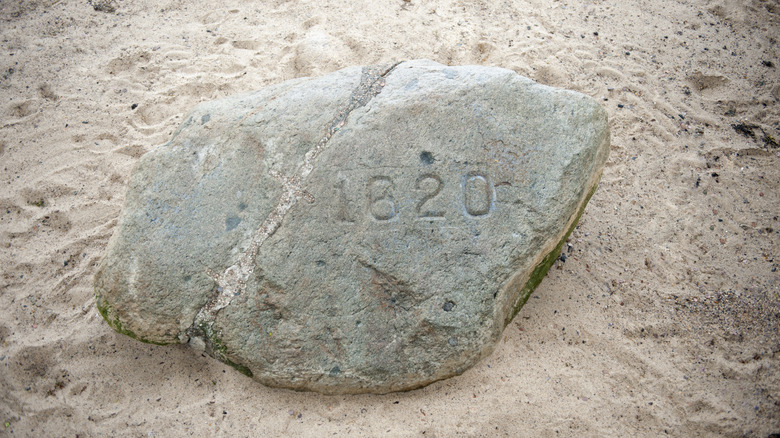
There are mixed opinions on whether Plymouth Rock is a part of Cape Cod. Plymouth is technically located just outside the geographical boundaries of Cape Cod, although it does lie on the shores of Cape Cod Bay. In addition, the Mayflower did first land in present-day Provincetown on Cape Cod before venturing north to Plymouth, so there are undeniable connections. Whether you agree it's part of Cape Cod or not, there's one consensus about Plymouth Rock: It's one of the most disappointing tourist attractions in the country.
If you're an American child, Plymouth Rock likely looms large in your imagination. This is the spot where the Pilgrims allegedly first landed in the "New World," on the shores of Plymouth Bay. There is indeed a rock there inscribed with "1620," the year the Mayflower made landfall. Yet with how much press this little rock has gotten, most visitors agree it's overrated. The rock itself is small, and there's no evidence to support that this is actually where the Pilgrims landed. It wasn't until 1741 that a local citizen, dismayed at the plans of a new wharf, claimed that there was a particular rock associated with the landing site that should be preserved.
No shame if you have always wanted to see Plymouth Rock, just plan for a quick stop. Spend more of your time in Plymouth itself, an old-school New England town full of history and coastal charm. While there, visit the Plimoth Patuxet Museums, which have a recreation of not only the 17th-century Pilgrim settlement and the Mayflower ship, but also a historical Patuxet village, the Indigenous group who have called the area around Plymouth Rock home for time immemorial.