

The Once-Popular Boomer Camping Gear You'll Rarely Find People Using Today
When night falls at camp, a light source is crucial. A campfire creates a cozy circle of light, but it isn't always enough. As soon as you step out of its glow, you'll be enveloped in darkness once again. For generations, campers have packed their own lanterns, but the fuel-powered versions many boomers grew up with look very different from the high-tech lanterns and flashlights most modern campers favor today.
Members of the baby boomer generation were born between 1946 and 1964, during a period when family camping was surging in popularity. Adorable vintage trailers with snazzy old-school vibes were being mass-produced by companies like Airstream and Shasta, and leftover World War II military surplus provided families with cheap, durable canvas tents, cots, and other camping gear. When boomers were growing up, fuel-powered lanterns were a common sight at campsites.
Although it's hard to beat the nostalgic glow of the old-fashioned fuel-powered lanterns, many campers now favor battery-powered models because they're generally safer and more convenient. Lanterns that run on fuels like white gas, butane, or propane are still available, but they can be bulkier to pack and require more careful handling than battery-powered alternatives.
Many modern campers prefer the convenience of battery-powered camping lanterns
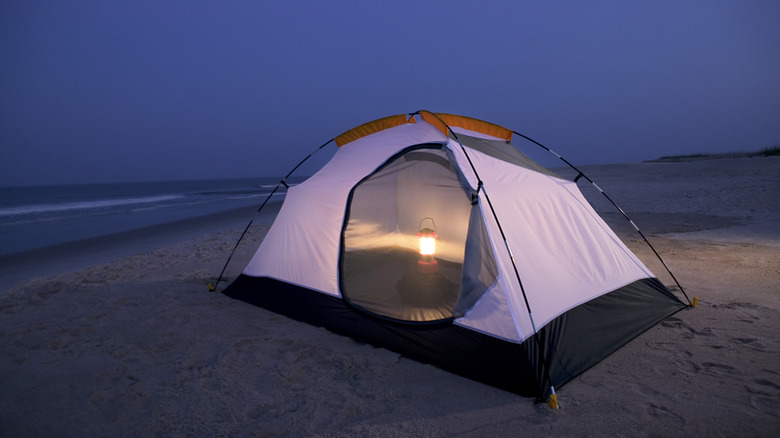
Battery-powered lanterns are a cheap, portable camping gadget that many outdoor adventurers pack for every trip. They're usually lighter and more compact than their fuel-powered predecessors, making them a convenient option when you have to carry your gear to your campsite or go on a wild camping excursion. Some modern LED lanterns weigh only a few ounces, and many have multiple settings, so you can adjust the brightness to your preferences. They're also safer to use inside a tent because they don't have an open flame or produce exhaust.
One downside is that their power can only last so long. Many models are rechargeable, which is great if you have a place to plug them in, but inconvenient if you're camping for multiple days without access to a power source. Some modern camping lanterns have built-in solar panels that recharge during the day, but cloudy conditions can make charging less reliable. Multiple brightness settings are a major plus, but keeping a lantern on its highest setting can drain the battery much faster than you might expect. Battery life varies by lantern, so it's worth checking the manufacturer's estimates for different brightness settings.
Battery-powered lanterns have some downsides, but their convenience makes them a popular choice for modern campers. For most outdoor enthusiasts, old-fashioned fuel-powered lanterns have given way to more convenient battery-powered alternatives. That said, you can still buy gas-powered lanterns from outdoor brands like Coleman. Some campers still favor their warm nostalgic flicker over battery-powered alternatives. Fuel-powered camp lanterns can also produce plenty of light, making them a good option for illuminating larger campsites.
Fuel powered camping lanterns are nostalgic but less convenient
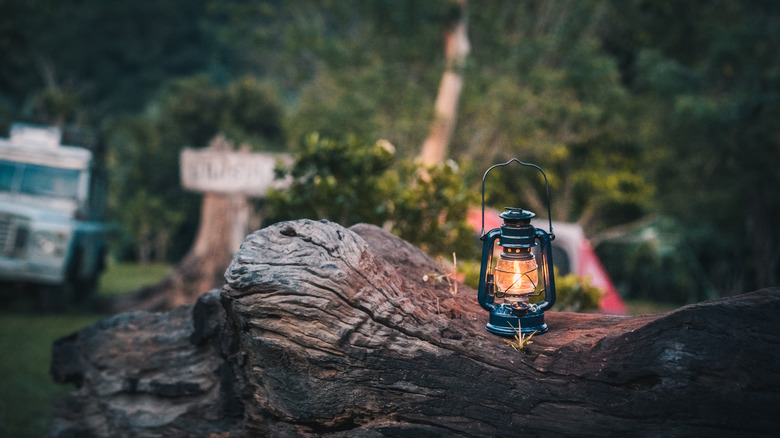
Although younger generations have abandoned some boomer camping habits, there's something appealing about the simplicity of old-fashioned camping. These days, some campsites are so packed with gadgets and gizmos that it barely feels like camping. Recently, I spent time at a campground where one campsite had a giant inflatable screen playing movies at full volume. I couldn't help but wonder why they would choose to go camping if they wanted to watch a screen all evening. Whatever happened to sitting around a campfire and telling stories or simply gazing quietly at the night sky? Some boomer camping habits may have been worth keeping.
The cool white light of some modern LED camp lanterns looks decidedly modern and can remind you of the phone screens most of us spend all day staring at. Although some battery-operated lanterns offer settings for more natural-looking light, they may still lack the charm and warmth of traditional gas-powered flames. If you appreciate going analog on your vacation, or you're hoping to plan the kind of old-fashioned nostalgic camping trip that your parents and grandparents might have enjoyed, it may be worth bringing a fuel-powered lantern.
If you choose a fuel-powered lantern, be aware of the safety risks. Because fuel-powered lanterns have an open flame, an accident could potentially start a fire, especially in dry conditions. Check local regulations ahead of time, as certain open-flame lanterns may not be permitted. Keep your lanterns in a safe place where they won't be knocked over. Unlike battery-powered alternatives, they generate considerable heat, so be careful not to get burned when handling them. Always keep them out of reach of children and pets. Additionally, fuel lanterns should never be used in enclosed areas due to the risk of deadly carbon monoxide poisoning.