

Washington's Iconic Trail In The Cascade Mountains Is Ranked One Of The Best Hikes In America
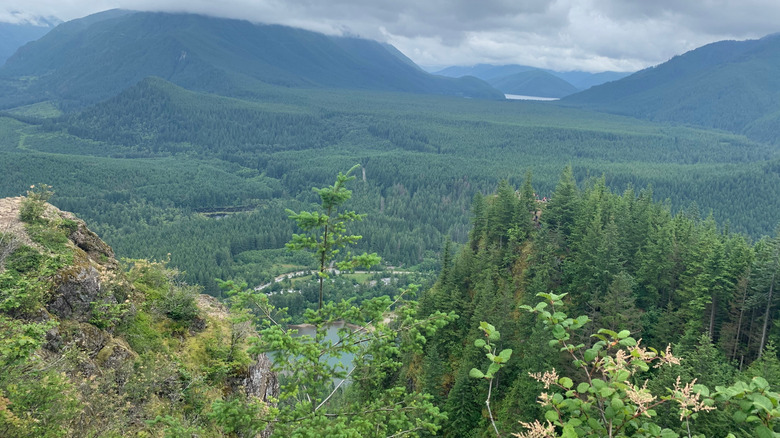
In the western foothills of Washington's Cascade Mountains, dense green forest covers the rocky slopes and valley floors. High ridges poke through the low-lying mist as it drifts through the treetops. The region's lush landscape is nourished by an abundance of water from its lakes, rivers, and waterfalls. And winding through this idyllic landscape is the Rattlesnake Ledge Trail, one of the top-ranked hikes in the U.S.
Showing off the Pacific Northwest at its best, the Rattlesnake Ledge Trail ranked seventh among nearly 6,000 trails in a 2025 study by Edge Fall Protection, a company specializing in fall prevention solutions (via Fox 13 Seattle). The study considered trail ratings, review counts, and popularity scores on AllTrails. Like Colorado's iconic Emerald Lake Trail, Rattlesnake Ledge is also highly rated on AllTrails, with a 4.7 out of 5 rating from over 36,000 reviews. The fairly short but moderate hike more than merits this high praise, rewarding hikers with first-class scenery and outstanding views every step of the way.
Located near North Bend in the Snoqualmie region, the trail lies around 35 miles east of Seattle, making it an ideal day trip from the city. Its location in the Rattlesnake Lake Recreation Area in the foothills of the Cascades makes it more accessible than hikes deeper in the mountains and popular with families. Despite its ominous name, there are no rattlesnakes in the area. Legend has it that the name came from a surveying party exploring the area in the 1850s. Hearing what they thought was the unmistakable rattle of a snake's tail, they discovered it was actually dry camas seed pods rattling in the wind. Whether true or not, it makes a nice story.
Hiking the Rattlesnake Ledge Trail
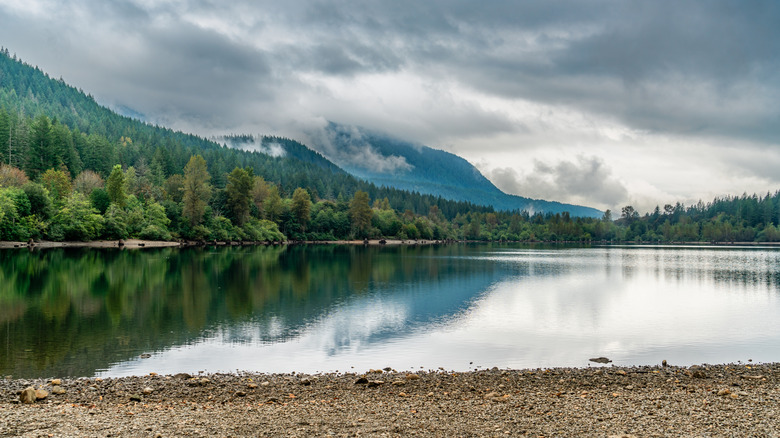
To reach the Rattlesnake Ledge Trail, take Exit 32 off I-90 and follow Cedar Falls Road to the free parking lot at Rattlesnake Lake. The trail is a 4-mile round trip and is rated moderate, with an elevation gain of about 1,160 feet. It typically takes about two to three hours to complete, depending on your fitness level and how many children you have in tow. To reach the trailhead, walk around Rattlesnake Lake to its northern side, where it's well marked. From the parking area, you can see the sheer rock face of Rattlesnake Ledge, giving you a clear view of what's to come.
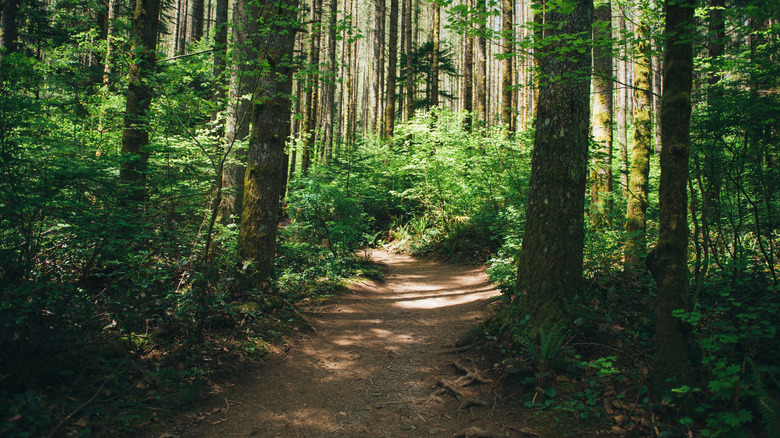
As soon as you enter the cool forest, you're immediately struck by how green everything is. Douglas firs provide a shady canopy and welcome relief on a hot sunny day, while moss-covered boulders and ferns carpet the forest floor. The trail climbs in a series of switchbacks that make the ascent (and descent) easier, with gaps in the trees revealing Rattlesnake Lake gradually shrinking. Three ledges await, starting with Rattlesnake Ledge. You'll need a head for heights; the sheer drop-offs can provoke a touch of vertigo. There are no guardrails, so keep children and leashed dogs close and stay well back from the edge. Look up rather than down for views of Mount Si, Mount Washington, the Cedar River Watershed, and miles of forest as far as the eye can see.
While many hikers turn around at this point, those with energy left can continue uphill to Middle and Upper Ledges. These additional viewpoints offer a quieter alternative to the main overlook and different perspectives of the surrounding scenery. For those hoping to put in some miles, the Rattlesnake Mountain Trail continues along the ridge, with East Peak another 2.4 miles beyond the junction near the main ledge. The much longer route to Snoqualmie Point Park is around 8.3 miles from that junction and requires planning a return trip. To enjoy more of the Cascades, try this thrilling national park hike.
Planning your Rattlesnake Ledge Trail hike
As one of the region's most popular trails, hiking the Rattlesnake Ledge Trail comes at a cost — not a permit, you don't need one — but the crowds. It's a frequent complaint among hikers, so if you're looking for peace and solitude, you'll have to time it right. As with many popular trails, weekends are much busier and parking spaces fill up quickly. For a chance to enjoy a quieter moment, set off early during the week instead.
The trail is well maintained but rocky in places, with some exposed roots, meaning sturdy hiking shoes are a must. With much of the walk being under the forest canopy, and the wind picking up as you reach the top, it can feel quite chilly, so take layers, as well as plenty of water and bug spray in the warmer months. There's no drinking water at the main recreation area, so come prepared. If you're planning to take any detours, it's a good idea to download a trail map from the Washington Trails Association, as cell service may be unreliable. You can also try the FarOut app, considered the best navigation app for hiking.
Spend some time in Rattlesnake Lake Recreation Area while you're here. Open from dawn until dusk year-round, the 111-acre lake allows swimming, kayaking, canoeing, paddleboarding, and fishing, although there are no lifeguards and fishing is subject to state regulations. There's also the Cedar River Watershed Education Center on the lake's edge, which has plenty of information on the area's natural and cultural history. Grab a bite to eat at Twede's Café in North Bend for a post-hike stop before heading home. If the place looks strangely familiar, that's because it appeared as the Double R Diner in David Lynch's classic series "Twin Peaks." Other locations around North Bend and the wider Snoqualmie Valley were also used during filming, and die-hard fans can explore them further on the Twin Peaks Tour.