

Forget Death Valley, This Vast National Monument In California Offers Epic Scenery With Fewer Crowds
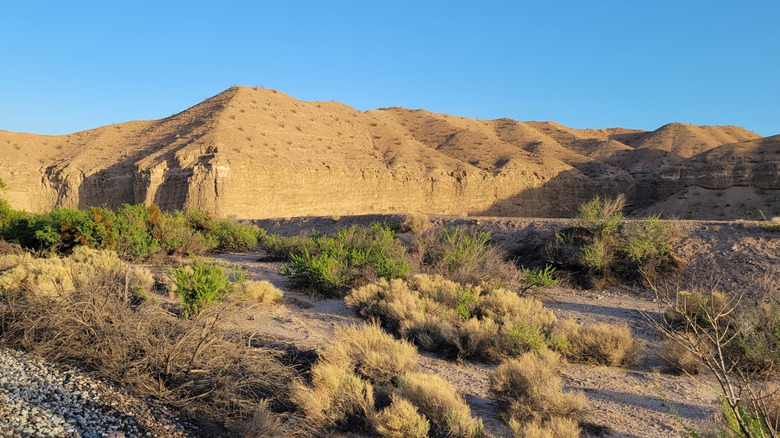
While California's diverse nature includes snowy mountains, rocky beaches, and towering evergreen forests, sizable portions throughout its southern regions are covered by desert. Among the most famous of these is Death Valley National Park, located along the state's diagonal border with Nevada. However, like many of California's breathtaking national parks, Death Valley is popular with tourists and saw over 1.3 million visitors in 2025. For huge swaths of desert scenery without the crowds, head three hours south of Death Valley to the Mojave Trails National Monument, which only averages around 135,000 visitors a year.
Across its 1.6 million acres, Mojave Trails National Monument looks like the perfect setting for a classic western film. This family-friendly destination has bumpy rock formations, camping, geological history, desert trails, and even some fun Route 66 attractions. Add Mojave Trails to your road trip along Route 66 or make it a day trip from some of California's best desert towns like Palm Springs, Baker, or Pioneertown, all of which are under two hours away. Keep in mind that this is a remote desert, so bring plenty of water and be cautious of extreme hot weather.
Check out a dormant volcano among the Mojave Trails desert landscape
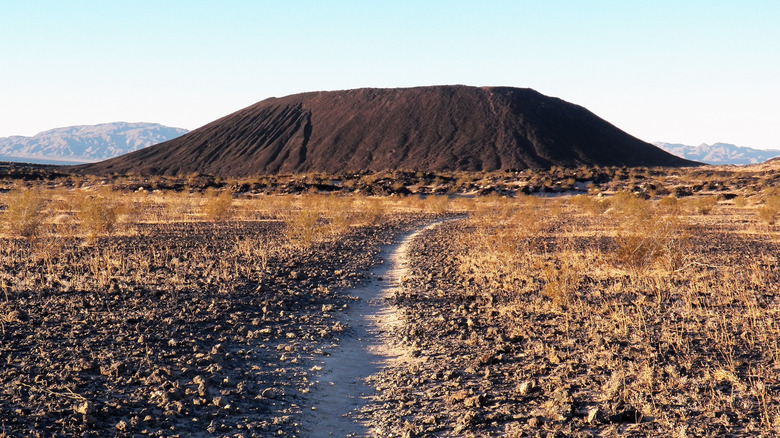
One of Mojave Trails National Monument's beloved features is the Amboy Crater. It looks different from the Meteor Crater in Arizona because Amboy Crater is actually a volcano. While it has not erupted for thousands of years, it is still a unique and perhaps unexpected site among the desert landscape. It also appeared in the 1959 film "Journey to the Center of Earth." Reach the Amboy Crater Parking Lot and Trailhead from National Trails Highway, which is also Route 66. The area features an ADA-accessible overlook, but you can also take the four-mile out and back trail to get closer to the Amboy Crater itself.
There are more stories to be told through geology than just Amboy Crater. Delve into more of the landscape's history by exploring the Marble Mountains and nearby Trilobite Wilderness. Trilobites were marine arthropods that existed on Earth more than 250 million years ago. See if you can spot fossils of these beetle-looking creatures at either of the aforementioned places in the Mojave Trails National Monument.
Afton Canyon is a lesser known geologic formation in southern California
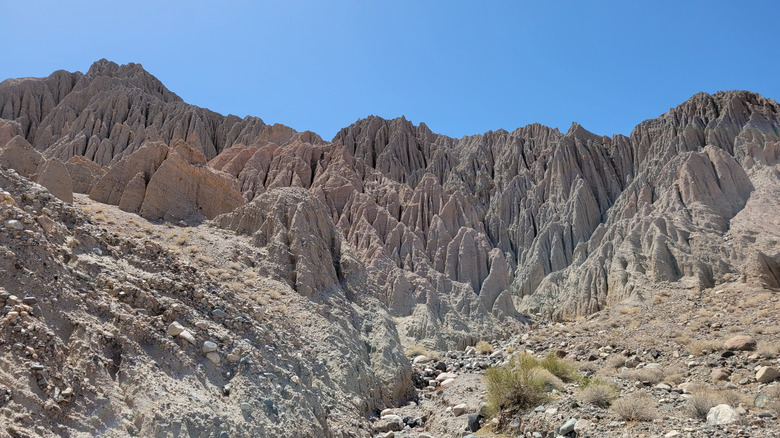
Another beloved geological feature of Mojave Trails National Park is Afton Canyon near Highway 15. This rugged landscape was formed by the Mojave River, which still flows today. Afton Canyon Campground is the perfect place to get oriented with this hidden gem of California's desert. There are 22 campsites either for RVs or tents. Amenities are fairly basic, with just picnic tables, bathrooms, and garbage cans, and you may need your own water source. If the campground is full, dispersed camping is allowed throughout Mojave Trails anywhere except the Amboy Crater parking lot and Afton Canyon Area of Critical Environmental Concern.
On Route 66 and just minutes from the Amboy Crater is Amboy itself. This small town is home to Roy's Motel and Cafe, a quintessential example of the vintage Americana for which Route 66 is known. Even though it now only serves as a gas station and gift shop, the restored Space Age-inspired neon sign from the 1950s is an often photographed tourist attraction. A second popular photo-op is the Route 66 Painted Road Shield just under six miles east from Roy's. Look for the large Route 66 logo painted on the road near the intersection with Kelbaker Road. However, be cautious of other vehicles if you do want to take pictures here.