

One Of North America's Most Polluted Lakes Is A No-Go For Swimming
Outdoor swimming in the wild is a joy, a chance to cool off and immerse yourself in nature, and an ideal antidote to the sweltering, oppressive heat of the summer months. North America is blessed with some amazing places for outdoor swimming, from the gorgeous crystalline natural springs in Florida to New York State's stunning Finger Lakes, but sadly, not all are suitable for swimming.
While water quality across the U.S. has improved significantly since the 1960s thanks to the 1972 Clean Water Act, many lakes, ponds, and other bodies of water that look clean and inviting are actually dangerous to swim in. According to the Environmental Protection Agency (EPA), more than 40% of the lakes in the United States are too polluted for swimming, fishing, or to support significant aquatic life. And according to a study undertaken by Lake.com in 2025, the outdoor paradise of Lake Okeechobee, Florida's biggest lake, was the most polluted body of water in North America. (Though it's not the only danger that ranks it among the most dangerous lakes in the U.S.)
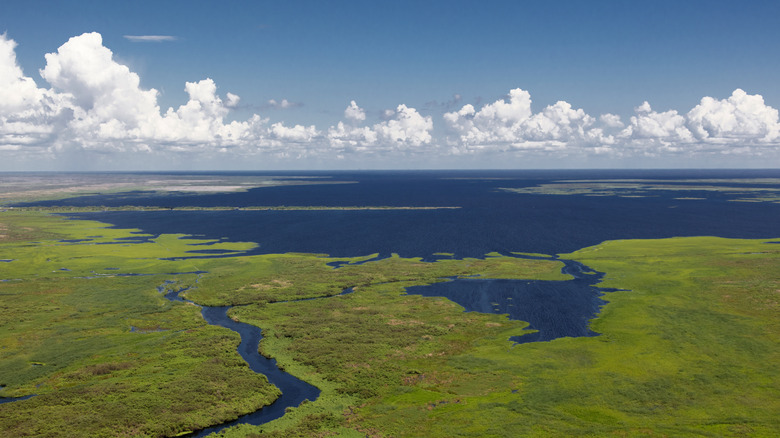
Lake Okeechobee is located just northwest of Palm Beach. Covering 730 square miles, it is the largest freshwater lake in Florida, and in the top 10 largest freshwater lakes in the United States. It is also exceptionally shallow for a lake of its size, with an average depth of 9 feet, barely over head height! The main town on the shores of the lake is Clewiston, about 65 miles from Palm Beach.
What's up with Lake Okeechobee?
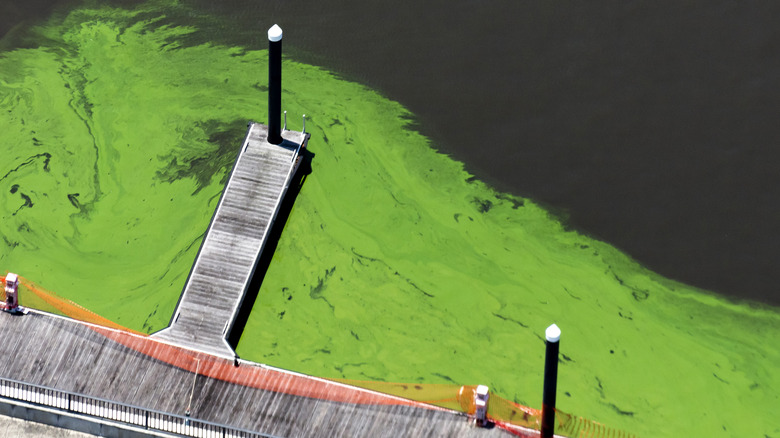
Lake Okeechobee has had something of a checkered recent past in terms of the health of its waters. Renowned as a bass fishing lake for years, recent agriculturally polluted discharges into the lake have turned its shallow waters into somewhere unsafe to swim and brought on significant toxic blue-green algae blooms. According to the 2025 Lake.com report, recent samples show 0.67 µg/L of lead, which can be extremely dangerous. It also ranks poorly on turbidity, or the murkiness of the water, which was the second-highest of all the lakes on the list, after Utah Lake.
The algae blooms are probably the most concerning aspect for people wanting to swim in the lake, and the thing that means that swimming is a no-go in Lake Okeechobee. Toxic blue-green algae has been caused by decades of agricultural runoff, fertilizers, and sewage, and can cause severe skin rashes, as well as breathing problems.
Perhaps the bigger problem with Lake Okeechobee's pollution is the wider environmental problems it causes. This enormous body of water feeds much of the water table of southern Florida, and the pollution is dispersed across a wide area, through the Saint Lucie River and the Caloosahatchee River, all the way to the coast.
Where else can you swim in Florida?
The good news is that in Lake.com's 2026 version of the report, Lake Okeechobee no longer features in the top 10 dirtiest lakes. However, sadly, Florida doesn't have any representation in the list of the top 10 cleanest lakes in the U.S. either. But that doesn't mean there aren't any safe places to swim in the Sunshine State!
There are plenty of excellent beaches with good water quality that are ideal for anyone looking for the safest places to swim. According to Safe to Swim Florida, Ben T. Davis Beach on the Gulf Coast comes out on top, but there are plenty of other great beaches that boast pristine water, including Boynton Beach, not far from Lake Okeechobee.
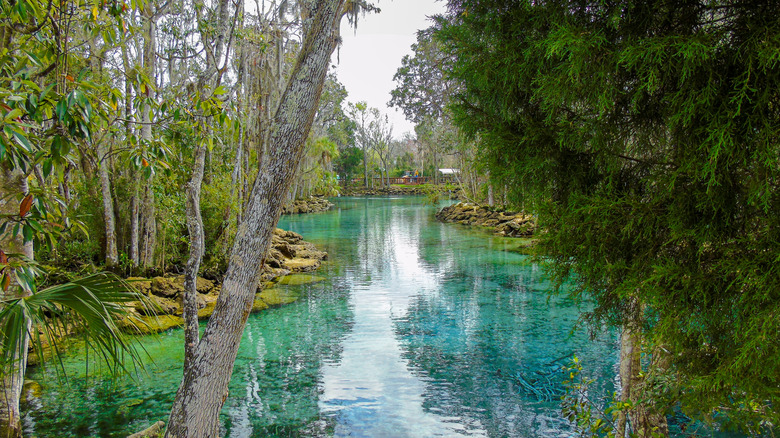
Jacc Lake in Walton County in the Panhandle has good water quality and clarity, and although Florida's natural springs are threatened by pollution, development, and climate change, there are still some wonderful swimming spots, like Crystal River, the best destination in the U.S. to swim with manatees.