

Canada's Iconic Trail Has Been Ranked One Of The Top 10 North American 'Hikes Of A Lifetime'
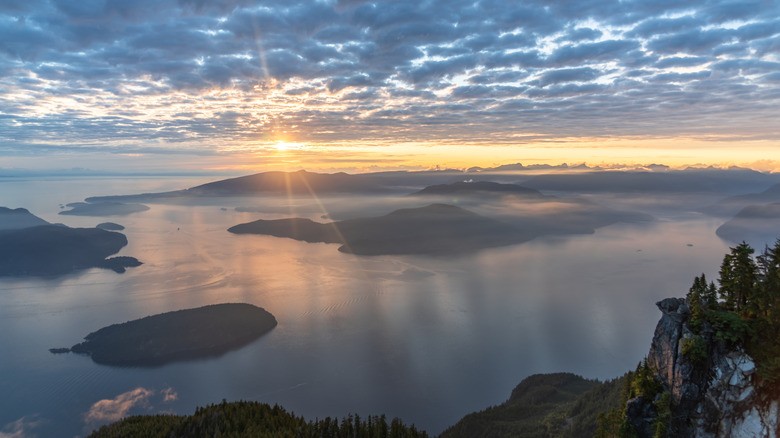
It is hardly news that Canada is a great hiking destination. With a staggering array of beautiful national parks filled with hiking trails, natural beauty, and ancient culture, Canada has always been considered one of the best places in the world for a hiking vacation. From the Skyline Trail in Alberta to the Trans-Canada, the longest multi-use trail system in the world, there are glorious walking routes everywhere you turn north of the border.
Now, one of Canada's finest trails has been recognized as one of the greatest hikes in North America, a bucket-list route that should be mandatory for all serious hikers. According to National Geographic, the 18-mile Howe Sound Crest Trail in British Columbia is one of the most spectacular routes for wandering into the wilderness in all of North America, Central America, and the Caribbean.
Starting just a few miles north of Vancouver, it sits mostly within Cypress Provincial Park and follows the crests of the North Shore Mountains that rise above the Howe Sound, North America's southernmost fjord, between Vancouver and Bowen Island. The Trailhead at Cypress Mountain is around half an hour by car from downtown Vancouver and about an hour from Vancouver International Airport (YVR). There is no regularly scheduled public transport to the trailhead, but Cypress Coach Lines runs a seasonal service during the summer. It is worth being aware that, as a point-to-point trail, if you intend to hike the entire Howe Sound Crest Trail, you'll need to arrange a pickup from Porteau Cove at the other end of the route.
Hiking the Howe Sound Crest Trail
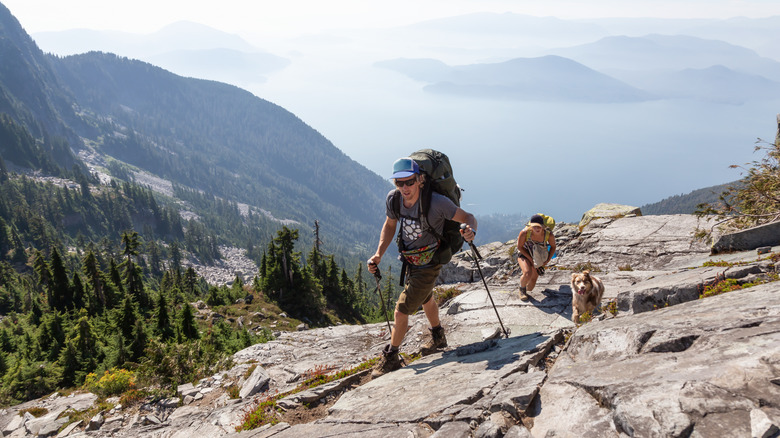
When you step out onto the Howe Sound Crest Trail, it is hard to believe you are just 30 minutes away from the beating heart of Vancouver. While short for a multi-day hike, it is dramatic and adrenaline-pumping, with soaring ridges, craggy boulders, and deep, dark hemlock forests, as well as some truly spectacular views out over the titular Howe Sound below.
The trail starts surrounded by the gorgeous ski area of Cypress Mountain, and begins as it means to continue, with a series of exciting switchbacks on the ascent to St. Mark's Summit. As the closest section to the city, this part of the trail is often busy, but as soon as you start your descent down the other side, the trail empties out and things get quieter. The trail continues to rise and fall sharply, with Mt. Unnecessary, West Lion, Enchantment Pass, and James Peak all offering significant elevation. The trail can be scrabbly underfoot, and the rocky ledges seem pretty perilous, but the stunning alpine views make it more than worth it.
The section from David Peak to Magnesia Meadows is covered in blueberry bushes, which make a delightful snack if you are hiking in fruiting season. Do be aware that the succulent berries are also a favorite snack for bears, so be sure to be loud as you walk. The final section of the trail is scattered with sparkling bodies of water, and both Brunswick Lake and Deeks Lake make fantastic rest stops before the steep descent to Porteau Cove.
Key things to know about the Howe Sound Crest Trail
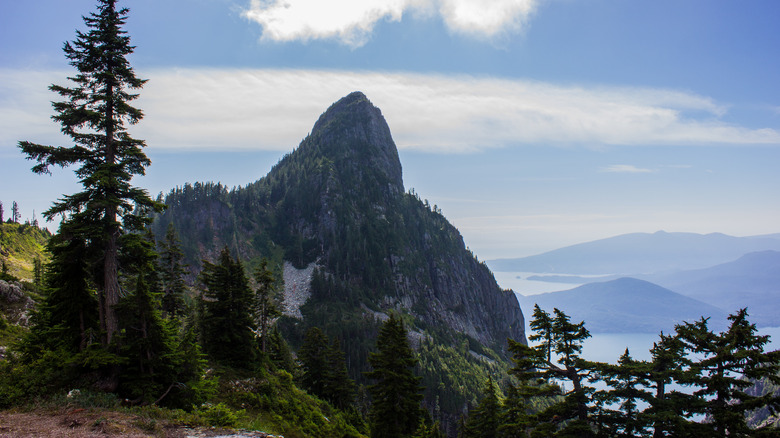
While it is technically possible to complete the Howe Sound Crest Trail in a single day, it is a far more enjoyable experience to take it slightly slower and camp along the way. There aren't any official campgrounds, but wilderness camping is permitted along the entire route, and there are some excellent spots to choose from. The emergency shelter at Magnesia Meadows, about 9 miles from the start, is a popular choice, thanks to its delightful views of Mount Harvey and the Sound, as well as the small lake nearby. Brunswick Lake is another good option, particularly if you are taking three days to complete the trail, and the south shore of the lake is where most in-the-know hikers pitch their tents.
Because there aren't any established campsites or amenities along the trail, it is important to pack everything you will need for two or three days in the wilderness. This includes a tent, a sleeping bag, a first aid kit, and a water bottle, with water purification tablets so you can stay hydrated with water from the lakes and rivers en route. The trail is often frequented by bears, so make sure you have a bear canister to keep your food safe overnight and bear spray in case of emergencies.