

Canada's 'Grand Canyon Of The North' Is A Stunning Natural Chasm With Riverside Hiking Trails
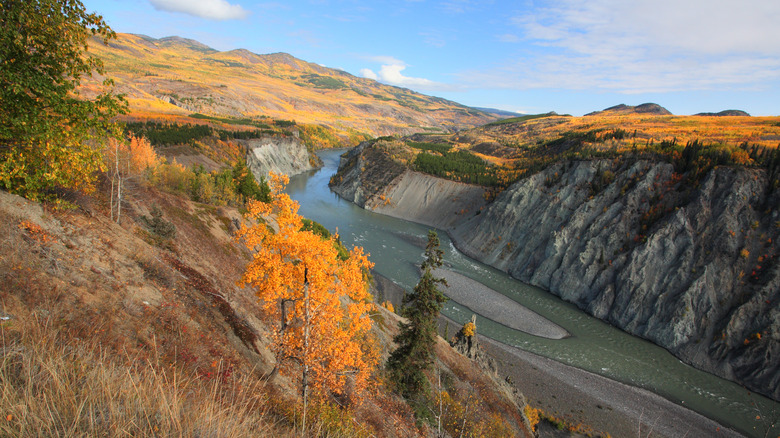
The Grand Canyon is one of the most spectacular natural wonders on the planet and the most-filmed national park in the United States. It's a jaw-droppingly magnificent spectacle and deserves its fame as a destination for lovers of the great outdoors. But it isn't the only amazing ravine in the world that's worth discovering, and if you are looking to avoid some of the crowds that can overwhelm the best viewpoints, there are plenty of other amazing destinations to explore.
At over 11,500 feet deep, the Colca Canyon in Peru is nearly twice as deep as the Grand Canyon, while the Vikos Gorge in Greece is the deepest canyon in the world relative to its width. Even in North America, there are some fairly impressive alternative options, like Mexico's captivating Sumidero Canyon in Chiapas and the Owyhee Canyonlands in Oregon. One particularly excellent alternative in Canada, the Stikine River Gorge, is self-described as the "Grand Canyon of the North," making it an ideal choice for travelers looking for a similarly impressive landscape.
The Stikine River is located in British Columbia, Canada. It flows from the Stikine Country east of the Coast Mountains out into the Inside Passage, one of Alaska's must-see places for first-time visitors. The gorge covers a 48-mile stretch in the Stikine River Provincial Park, in the northern part of B.C. It is extremely remote and best accessed via Highway 37 or the Telegraph Creek Road from Dease Lake to Telegraph Creek. The nearest airport is Prince George International Airport (YXS), although this is still a whopping 10 hours away by car!
The 'Everest' of whitewater
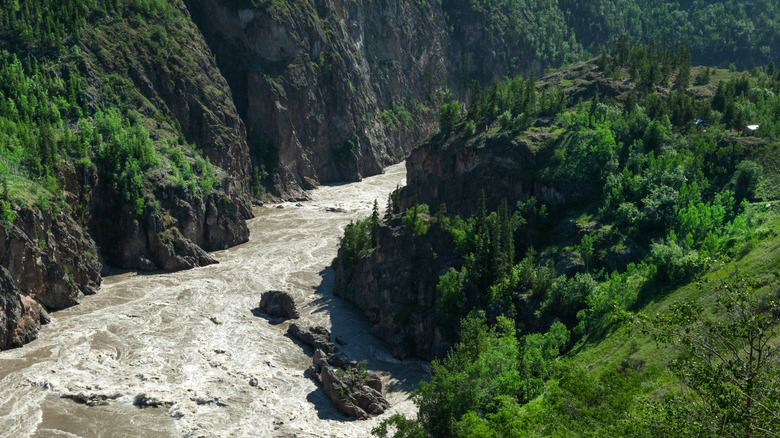
With its stunning landscapes and unbelievably remote location, Stikine River Provincial Park is almost unparalleled when it comes to getting off the beaten track and out into the wilderness. The gorge is a nearly 1,000-foot chasm, carved out over thousands of years by the wild, raging Stikine River, and offers a stunningly rugged backdrop for outdoor adventure.
There are not many waymarked hiking trails, as the terrain is too rough. There are no foot trails into the gorge itself, as the steep cliffs do not offer any purchase, so the best option for viewing the chasm is to head to the parking lot near the park entrance and walk along the short trail to the Tuya River viewpoint, which looks out over the valley. Another trail about 6 miles further on takes you down to the valley floor. There are plenty of other great routes in the Stikine River area, however. The Todagin Mountain Trail is a challenging out-and-back from Tatogga Lake up to the peak of Todagin Mountain, while the Spatsizi Plateau Trail runs from Cold Fish Lake up to the top of the Spatsizi Plateau and boasts glorious views.
The Stikine River is known as the fastest-flowing navigable river in North America, and getting out onto its raging white water is a must for adrenaline junkies. Canoeing and kayaking on the upper Stikine River is a nerve-shreddingly exciting experience for veteran paddlers, but a stretch through the bottom of the gorge is generally considered to be impassable. Only a handful of experts have ever attempted it, and it has only been completed once.
Stikine River Provincial Park is a remote wilderness filled with fascinating creatures
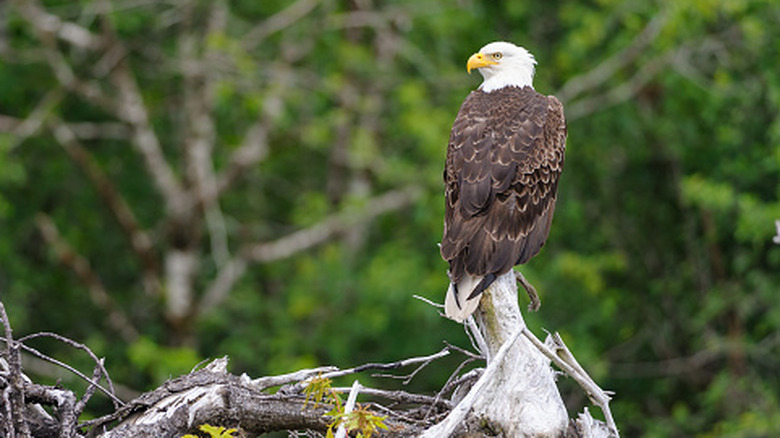
As well as being full of stunning scenery, the Stikine River Provincial Park is one of the top places in B.C. to see some of Canada's impressive wildlife. The canyon itself is home to a large flock of mountain goats, who use their remarkable agility to cling to the rocky cliffs and avoid predators, and, in the rest of the park, common sightings include moose, grizzly and black bears, wolves, beavers, bald eagles, and marmots.
The Stikine River is also teeming with life, making the park a great place to visit for anglers. In the upper Stikine, Arctic grayling, Dolly Varden trout, and rainbow trout can be caught year-round, and in the stretch of river below the canyon, you can find Chinook salmon and steelhead.
The best way to really immerse yourself in this remote wilderness is to camp here. Wild camping is allowed throughout the park, and there are several rustic campsites with fire rings, picnic tables, and pit toilets. Given the lack of amenities and distance from civilization, it is important to come fully prepared, and this is really only recommended for experienced wilderness campers.