

One Of The UK's Least-Visited National Parks Is A Remote Outdoor Haven For Coastal Hiking
The U.K. — which consists of England, Northern Ireland, Scotland, and Wales — is one of the world's top 10 most popular tourist destinations, according to World Population Review. Its 15 national parks are among England and Wales' most visited attractions; yet Exmoor National Park has managed to stay somewhat under the radar.
Exmoor National Park in southwestern England stretches across the counties of Somerset and Devon, safeguarding a breathtakingly beautiful landscape along the Bristol Channel. Humans have occupied the land that the park now protects since the Mesolithic era, so it's a prime destination for travelers who adore history and the outdoors. The park is home to multiple archeological sites and medieval buildings.
Hiking trails are abundant, wildlife is plentiful, and the views are unforgettable. Considering its highlights, it's surprising that Exmoor National Park is the U.K.'s least visited national park by domestic tourists, as reported by Statista. If you're looking for a remote outdoor haven without crowds, Exmoor National Park belongs on your itinerary.
Moody moors, wildflowers, and coastal views await at Exmoor National Park
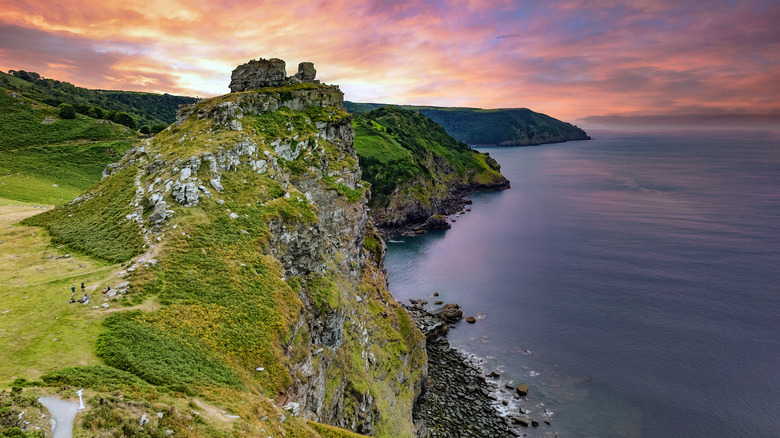
Established in 1954, Exmoor National Park covers 267 square miles and is one of the U.K.'s smallest national parks, protecting 37 miles of remote English coastline. It's so isolated, it's nicknamed the "Wilderness Coast." It's home to epic cliffside views from Valley of Rocks and the Great Hangman, which towers 1,044 feet above the sea — making it the tallest precipice in England and Wales.
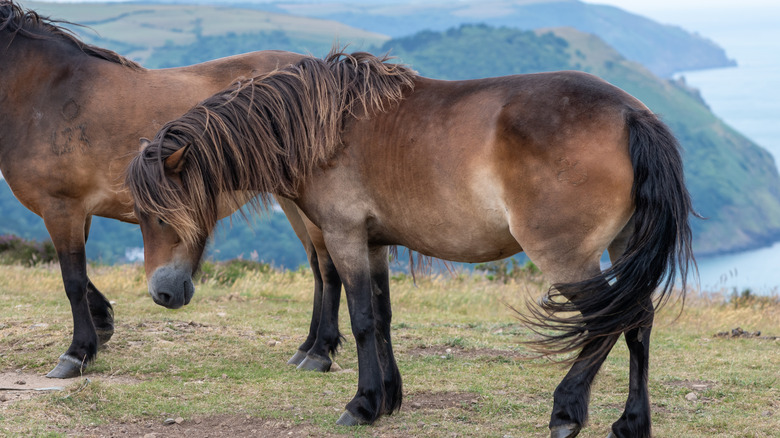
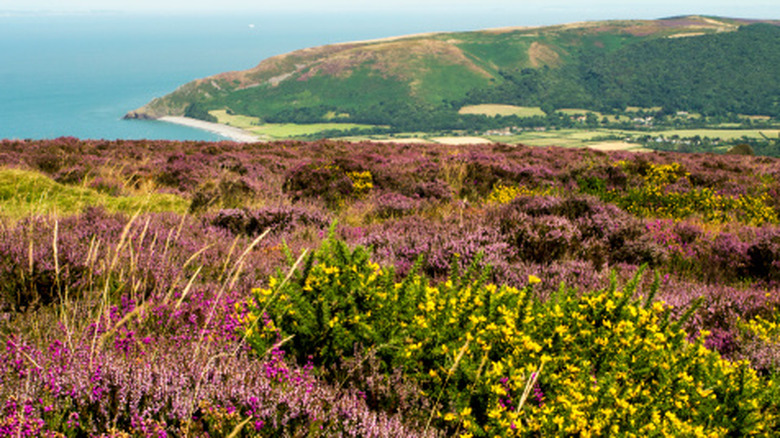
Forests extend all the way to the sea. One of England's tallest trees, the Douglas fir, is within the park. Paths wind through mysterious, moss-covered woods home to ancient trees and a rare, endemic species known as the whitebeam. However, the moorlands are perhaps the park's most iconic landscapes. Rolling hills shrouded in wildflowers are separated by deep valleys and meandering rivers. If you're lucky, you might spot adorable Exmoor ponies roaming freely across the moors.
There are more than 620 miles of hiking trails scattered throughout the park. Options range from simple strolls to multi-day treks. The long-distance hiking route known as the South West Coast Path National Trail – which is now a section of the world's longest continuous coastal trail dubbed the King Charles III England Coast Path – goes right through the park.
Planning your trip to the U.K.'s least-visited national park
Despite all that the park offers, only around 2 million people visit each year according to Exmouth National Park. Most tourists explore it in summer when the weather is at its best, so you may want to skip visiting in July or August if you like solitude. But there is no bad time of year to go. In spring you can enjoy wildflowers, and when fall rolls around the colors change but the scenery is just as beautiful. Visitors are sparse and the park feels lonely and peaceful in winter.
Most international travelers who visit Exmoor National Park fly into London's Heathrow Airport (LHR), about three hours' drive east. There are also smaller airports in Exeter, Bristol, and Cardiff nearby. Car rentals are available in all cities and cost around $60 per day. You can reach the park by bus and train, too.
It's free to enter Exmoor National Park. It is possible to pitch a tent for free as well, but you must ask for permission before staying overnight on private property. Websites such as Hipcamp list wild camping opportunities. If that's your plan, only light campfires in designated areas and read up on the Countryside Code before you go. Alternatively, book the Pinkery Farmhouse, an off-the-grid house within the park that's ideal for larger groups. There are plenty of bed and breakfasts, hotels, and private cottage rentals nearby, too. Watchet, a quaint harbor town about 15 minutes away, is a lesser-visited gem with seaside charm that makes an excellent home base. If you'd like to explore more protected areas, you could also visit the Pembrokeshire Coast National Park in Wales, which is known for wildlife, or Britain's largest national park, the Cairngorms, in Scotland.