

One Of The National Park System's Least Visited Places Is A Remote Gem For Wild Outdoor Fun
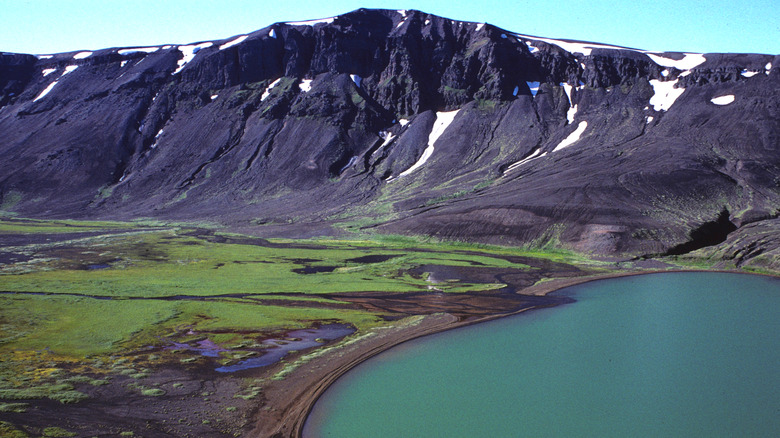
Alaska's vast wilderness holds many hidden gems and secret treasures for bold adventurers to discover. From the stunning Arctic wildlife of Utqiaġvik to the breathtaking glacial scenery of Kachemak Bay State Park, Alaska is filled with remote, secluded, and underexplored backcountry for anyone who likes to travel off the beaten track.
One of Alaska's most amazing destinations for outdoor lovers also happens to be one of the least-visited places in the U.S. National Park system. Aniakchak National Monument and Preserve is one of the wildest, far-flung, and most bleakly beautiful places in the U.S., an extraordinary volcanic landscape that offers a dramatic visual summary of its explosive past.
Aniakchak National Monument and Preserve lies on the Alaska Peninsula, flung out past the captivating Kodiak Island into the Bering Sea towards the isolated Fox Islands. It is a rugged, remote spot that is accessed almost exclusively by air, with no road access at all. Flights from Anchorage land at the airstrip in King Salmon, and visitors then fly or take a water taxi onwards to Port Heiden or straight to the park itself. Floatplanes and fixed-wing aircraft are permitted to land throughout the Monument and Preserve, but the local weather conditions can make this a challenge.
Aniakchak National Monument and Preserve's stunning volcanic landscape
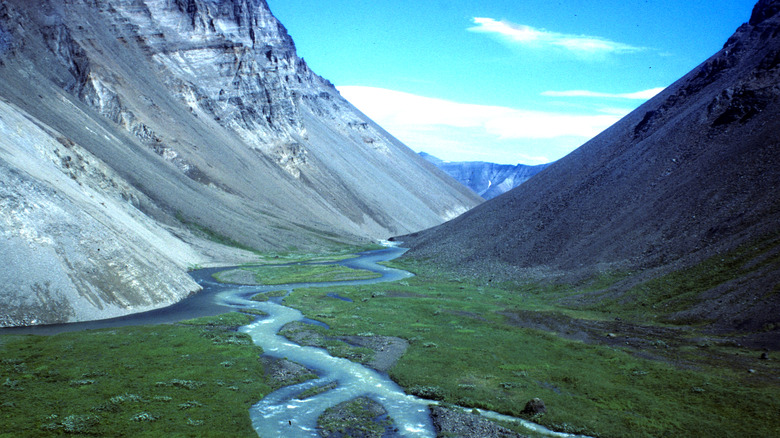
The Aniakchak National Monument and Preserve is centered around the 6-mile-wide Aniakchak Caldera, the enormous remnant of a 7,000-foot volcano that blew its top around 3,500 years ago, violently creating the unique geology and geography of the region. It is a vibrant reminder that Alaska lies on the romantically named Ring of Fire, the tectonic belt of earthquakes and volcanoes that circumnavigates most of the Pacific Ocean. Indeed, the last eruption within the Aniakchak Caldera was as recent as 1931!
The landscape of Aniakchak National Monument and Preserve is stark, rugged, and desolate, full of lava flows, cinder cones, and holes in the earth caused by previous explosions. There are also hot springs and the aptly named Surprise Lake, which feeds the wild Aniakchak River, which gushes out of a gap in the caldera wall and offers exciting whitewater rafting opportunities. With no federally maintained trails, camping areas, or facilities within the park, exploring the preserve is an exercise in self-sufficiency and requires significant backcountry experience.
Despite its extreme isolation and otherworldly terrain, Aniakchak has a fascinating cultural history as well. Archaeological sites have been found in the caldera showing Indigenous communities hunting, gathering, and living in the region for over 2,000 years, with human habitation likely going back even further. Visitors can discover more about this remarkable history at the visitor center in King Salmon.
How to prepare for a trip to Aniakchak
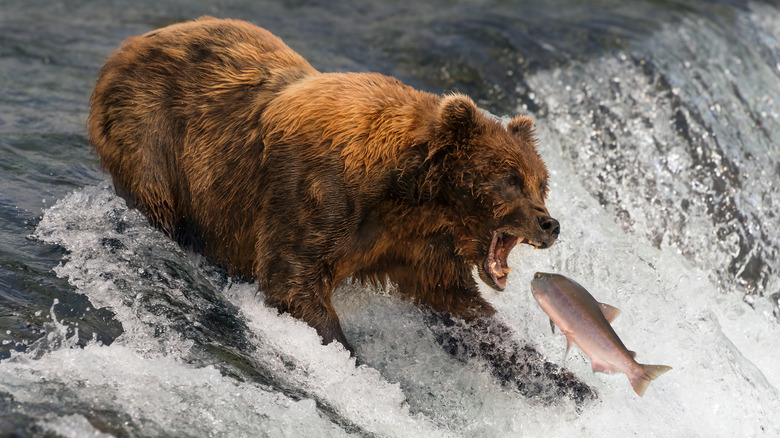
Aniakchak National Monument and Preserve is one of the wildest and most untamed landscapes in the U.S., and exploring it requires a serious amount of planning and preparation. The park is open year-round, although weather conditions make access during the winter extremely difficult and potentially dangerous. Summer temperatures average in the high 40s to low 50s Fahrenheit, so even in the warmer months, proper clothing is a must. Fog, rain, and high winds mean layers and waterproofs are vital, and it is worth learning the initial signs of hypothermia and how to prevent it.
Brown bears are prevalent throughout the park, so it is important to know what you need to do if you run into a bear while hiking. Use bear-resistant food containers and store your equipment properly. Never approach bears, and remain calm if they approach you. Playing dead is a far safer approach than attempting to outrun a brown bear, which can reach speeds of up to 30 miles per hour!
Wild camping is a great experience in the park, with plenty of awesome spots to pitch a tent. However, remember that with no federally maintained trails or access routes, assistance in the event of an emergency may take some time, so plan ahead and ensure you have significant backcountry experience before overnighting in this glorious wilderness.