

The State With America's Worst Mosquito Problem
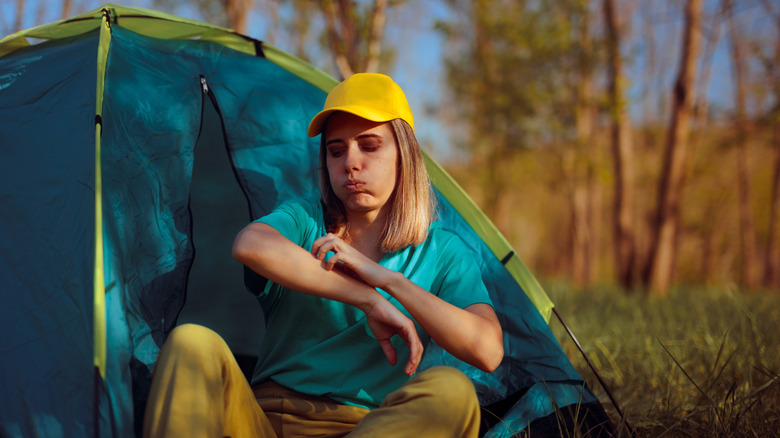
Summer in the United States is all about spending time outdoors. Whether you're the kind of traveler who enjoys coastal sunsets, long days spent swimming in freshwater lakes, hiking and camping in the mountains, or a simple backyard barbecue with loved ones, you're probably a big fan of the warmer months.
Unfortunately, there are usually some unwanted guests that try to crash the summer party. The annoying buzz of mosquitos is something that most people who live in the United States are forced to tolerate during the summer. The itchy red bumps that occur when mosquitos pierce the skin with their needle-like mouths are begrudgingly endured after many balmy summer evenings outside.
The obnoxious little insects thrive in warm, humid environments, so their populations explode as soon as temperatures start to climb around the country. Not a single one of the 50 states is completely mosquito free, but they're definitely more of a problem in certain parts of the country. The southwestern state of Texas is said to have the worst mosquito problem in the entire country.
Boots, barbecue, and bug bites
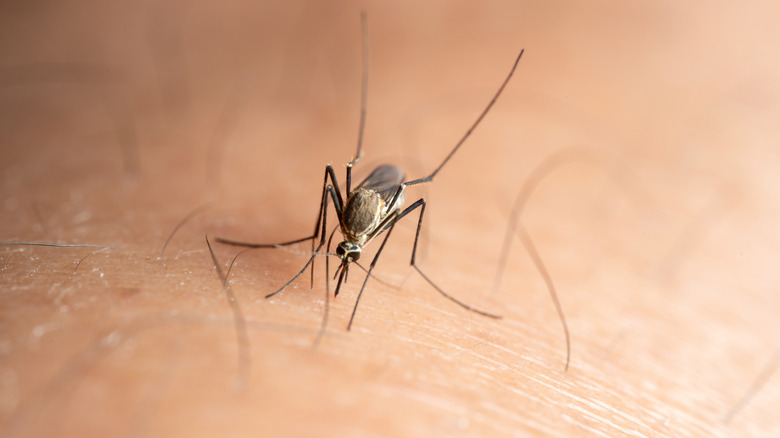
Texas is full of fun things to do in the summertime. Foodies can enjoy some of the best barbecue in America, and there are plenty of national and state parks for your next adventure outdoors. Guadalupe Mountains National Park is one of the most underrated national parks out west. Texas Hill Country is home to a beautiful lake with clear water and endless outdoor fun, and plenty of Texas state parks offer stunning scenery without the crowds. Big cities like Austin and Houston are full of opportunities to enjoy nightlife and live music. Unfortunately, no matter where you go, you're probably going to have to deal with pesky mosquitos.
Out of all of the states in the U.S., Texas has the most mosquitos. The Lone Star State offers the little bloodsuckers the perfect opportunity to thrive and multiply. There are more than 85 different species of mosquitos that call the state of Texas home. During the summertime, temperatures in Texas regularly climb into the triple digits. The state's daily average high temperature in 2023 was a sizzling 98.3 degrees Fahrenheit. Texas is very large, so the conditions vary significantly depending on where you're at, but certain regions are known for having oppressive humidity all summer long. Those hot wet environments are exactly what mosquitos love most.
Mosquitos adore the warm humid weather in Texas, and it makes them even hungrier than usual. They get dehydrated in the heat, just like we do, which means they're more eager to find some blood to drink. They may be less active during the middle of the day, but as soon as the temperature drops slightly in the evening, they will come out in droves in search of their next meal. Mosquito season in Texas runs from May through November.
How to prepare for mosquitos and protect yourself on your trip to Texas
Mosquitos are mostly just a nuisance, but they can carry serious diseases. Texas mosquitos are capable of making people extremely sick. Some mosquito-borne illnesses can cause birth defects or even death, according to the Texas Health and Human Services website. In the Lone Star State, certain diseases that are spread by mosquitos are on the rise.
West Nile virus is one of the most common. The Texas Health and Human Services website claims that there have been 976 confirmed cases over the last five years, but around 80% of people who are infected do not show symptoms, so the actual number of cases is likely much higher. Out of the 976 confirmed cases, 106 people died. Zika, malaria, yellow fever, and dengue are other mosquito-borne illnesses that can occur in Texas.
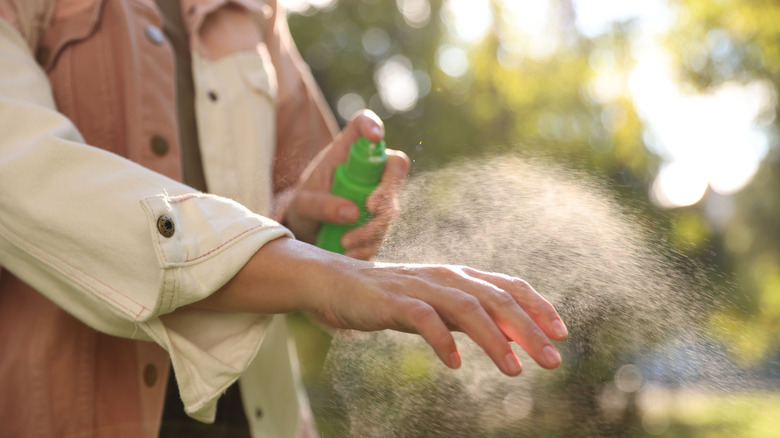
If you're planning on visiting the state with America's worst mosquito problem, it's crucial that you come prepared and take some steps to protect yourself. Mosquitoes are most active at dawn and dusk, and Texas health officials suggest wearing long sleeves and pants that are loose fitting during those times of day. Mosquito repellents containing DEET or picaridin are also recommended.