
This Is The Best Way To Choose A National Park Campsite If You Want To Avoid Crowds
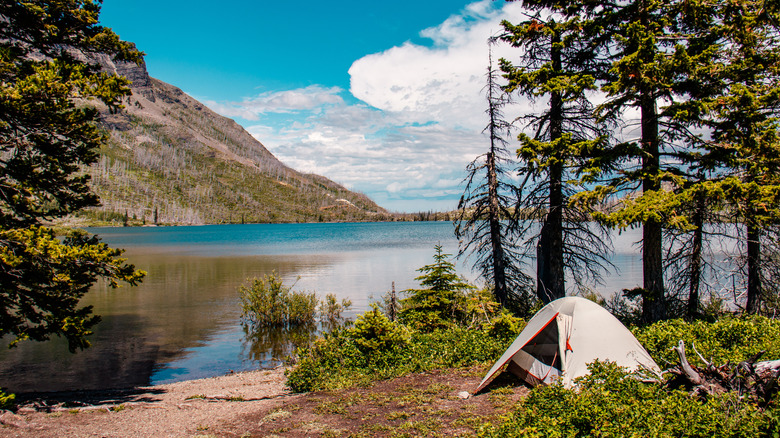
One of the simple joys in life is having the freedom to throw a tent in the back of the car and head off to a national park to sleep under the stars. Just you and the sights, sounds, and smells of nature. That is until millions of other people who've had exactly the same idea turn up and burst your bubble of tranquility. Camping has risen in popularity over the past few years, with more people keen to hit the trails and reap the benefits of spending time outdoors in some of the best U.S national parks for camping. Unfortunately, that means the days of last-minute booking are coming to an end. Reserving a campsite is trickier than ever, with some of the more popular campgrounds booked up to six months in advance.
But the busiest national parks don't necessarily mean the busiest campgrounds, and choosing the best campsite to avoid crowds has more to do with where you camp within the park rather than which park you visit. Not every campground provides the same experience, and these days, you'll need to do some forward planning and thorough research to make sure you find the right place to lay your head for the night without any unwanted neighbors. This includes deciding what type of camping you want to do, when you want to go, which national park you want to visit, and what kind of campsite you want to stay in.
How to find a crowd-free campground
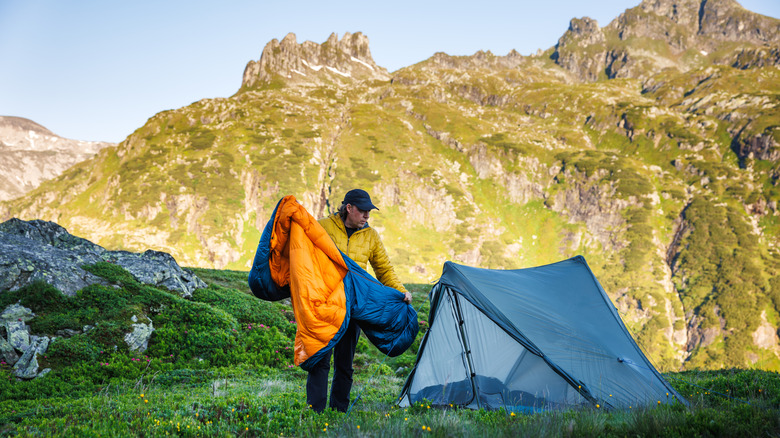
Start by deciding what type of camping you want to do. Frontcountry camping, where you drive directly to your campsite, may be convenient but also the most likely to be crowded. If you're prepared to skip some of the luxuries like running water and a flushing toilet, backcountry camping is the better choice. If you have to hike or paddle to reach your campsite, your chances of having neighbors are vastly reduced (keep in mind permits are normally required). Wild camping excursions aren't for everyone, but are ideal if it's total solitude you want. You usually don't need to reserve, but you will need to have a certain level of wilderness savvy.
Deciding when you go can make or break your desired moments of tranquility. It goes without saying that you should avoid peak season, spring break, weekends, and public holidays if possible, and stick to weekdays during shoulder seasons. For the very brave who are willing to embrace the winter weather, a few campgrounds stay open year-round in some national parks, and chances are you won't have to fight over the best campsite. If you're all out of luck at a national park campground of your choice, many are located next to national forests and state parks where campsites are often easier to find, quieter, and more secluded. Camping is also available on Bureau of Land Management land. You may not be within a national park but you can be right on its doorstep. The Outly app can help you find federal campgrounds and public land across the U.S.
Choosing the right campsite
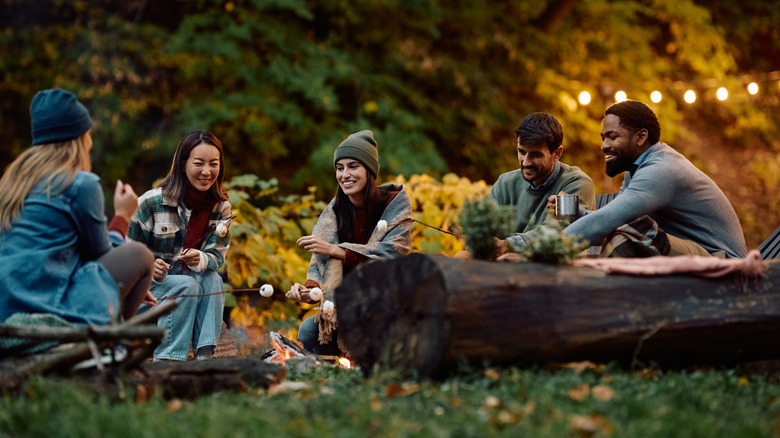
When you choose a campground, go for the smaller, more remote ones away from the park entrance and any famous landmarks. It stands to reason that a 20-site campground will have fewer people than a 300-site one. Unless you're in an RV, pick a tent-only site and avoid those with RV loops and places where group camping is permitted. That way, not only are you reducing the chances of the extreme decibels that inevitably come with a large group of adolescents, you won't have to put up with the noise of a generator either.
When it comes to choosing the best campsite, get valuable information from maps and reviews from campers who have been there before so you have an idea of what to expect. This you can get from the camping reservation site recreation.gov, or The Dyrt. And check out good old Google Maps to give you a general overview of the surrounding area. When you check the campground map, look out for where the restrooms are and any other crowd-gathering or noise-inducing areas like roads, picnic areas, trailheads, or visitor centers. Instead, choose sites that are at the edge of a loop, have plenty of natural cover, and give you enough privacy from your neighbors.