

Not Badlands, Not Arches: This National Park Has The World's Largest Collection Of Hoodoos
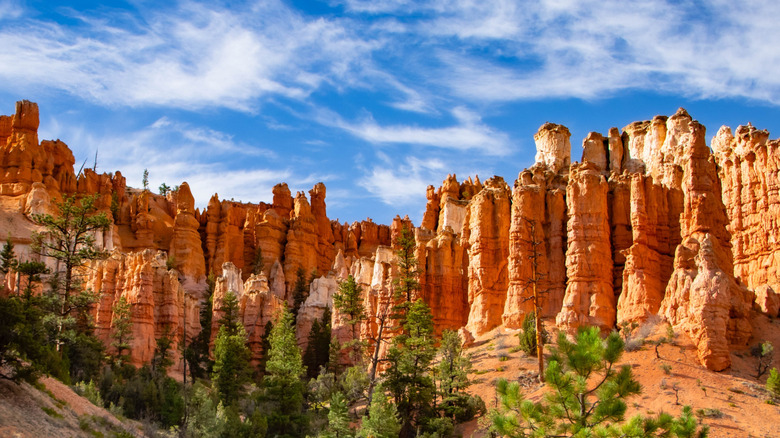
Before we send you off in search of the biggest concentration of hoodoos in the world, perhaps it's best to begin by explaining exactly what a hoodoo is. Unlike the giant sandstone arches of Arches National Park or the fossil-rich rock beds in Badlands, the hoodoos of Bryce Canyon National Park are tall pillars of rock formed over millions of years by erosion. Constantly changing shape, they can reach up to around 200 feet high, creating an extraordinary landscape of red, orange, and white columns resembling a forest of towering stone totems.
What makes the Bryce Canyon hoodoos different is how they are formed. Drastic changes in temperature, typical at such a high altitude, cause a type of erosion called frost wedging. Water seeps into cracks in the rock, then freezes and expands overnight, causing the rock to fall apart. Despite their massive size, the hoodoos are extremely fragile and will one day cease to exist. Located in the picture-perfect mountain state of Utah, Bryce Canyon was established in 1928 and is the smallest of the state's five national parks, covering around 36,000 acres. It was once home to the Paiute people, who regarded the landscape as sacred and the hoodoos as the Legend People — ancient beings turned into stone by the trickster Coyote.
Bryce Canyon National Park is roughly 250 miles from both Las Vegas and Salt Lake City, both of which have international airports. Being in such a remote location, public transport is not an option. But driving at least gives you a good excuse to take in Utah's natural beauty on one of America's most scenic road trips if arriving by Route 12.
Hiking to see the hoodoos in Bryce Canyon National Park
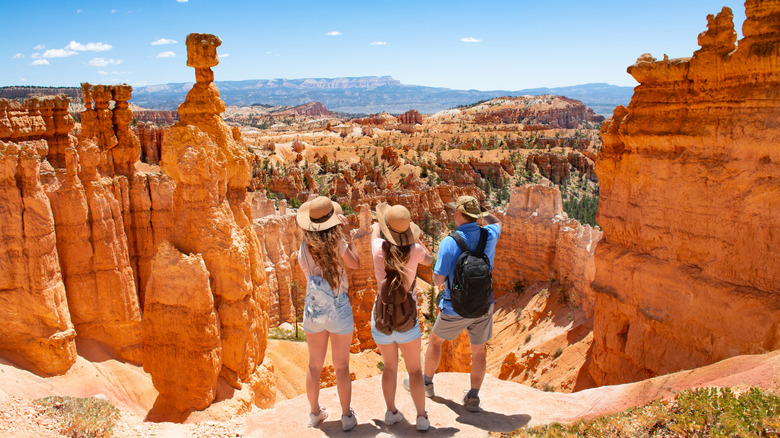
The best way to experience the hoodoo magic in Bryce Canyon is by taking one of the park's many hiking trails, which range from easy walks up to strenuous backcountry hikes. Many start in the horseshoe-shaped Bryce Amphitheatre, overlooked by four main viewpoints connected by the 5.5-mile Rim Trail. The section between Sunrise Point and Sunset Point is paved, and the only part of the trail accessible for wheelchairs or where pets are allowed. From here, watch the changing light cast striking shadows across the amphitheatre and bring the hoodoos to life.
Heading off from Sunset Point, the most popular hike is the 1.3-mile Navajo Loop Trail, often combined with the Queen's Garden Trail. Despite its short length, it descends a zigzagging 515 feet down "Wall Street" before passing by "Thor's Hammer", one of Bryce Canyon's most photographed hoodoos. Take decent hiking shoes, as some paths can be quite slippy, and plenty of water is a must. Heading off this trail is the 5.5-mile Peekaboo Loop. Considered a strenuous yet beautiful hike, it passes arches and hoodoos as well as giving outstanding views over fir and pine forests. This trail is open to horseback riders too. Bryce Canyon is a high-altitude park reaching up to 9,000 feet, so bear this in mind if you suffer from altitude sickness.
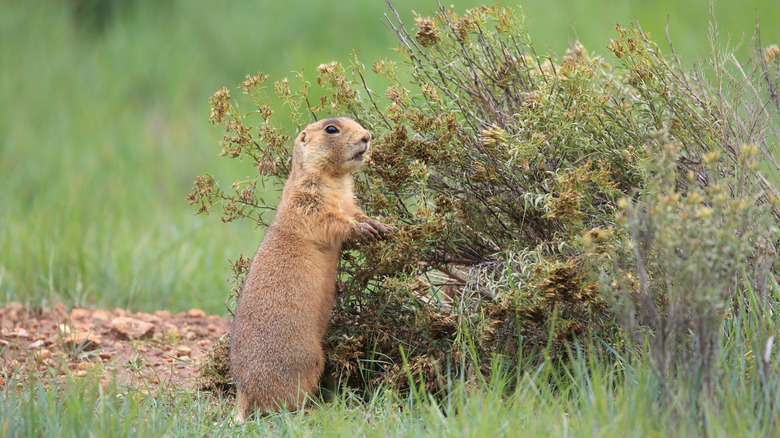
Keep your eyes open for the abundance of wildlife in the park, including three endangered species: the California condor, southwestern willow flycatcher, and the Utah prairie dog. The latter even has a festival given in its honor. Utah Prairie Dog Day is held each May and helps raise awareness for this threatened keystone species.
Planning your visit to Bryce Canyon National Park
Open year-round, every season has its appeal at Bryce Canyon. While busy throughout the summer months through fall, many of the trails become unpassable in winter. Thanks to its largely unpolluted night skies, Bryce Canyon was named an International Dark Sky Park in 2019. Whilst you can stargaze in any season, the Milky Way is particularly bright from May to September. To learn more, the ranger programs are worth looking into. They run full moon hikes and night sky telescope programs with an astronomy festival held each year in June.
You don't have to be a keen hiker to appreciate the scenery. The 18-mile Southern Scenic Drive, the park's main road, passes nine viewpoints, including Sunrise Point and Sunset Point. However, this road does get congested, and park staff recommend taking the free shuttle, which operates between April and October and stops at most of the trailheads. Entrance to the park costs from $20 for a standard pass, or is free if you have an America the Beautiful pass or you go on one of the Free Entrance Days.
To make the most of the clear night skies, there are two camp grounds in Bryce Canyon. North Campground is open year-round, but Sunset Campground is closed in winter. Campsites can be reserved up to six months in advance on the government website. If you prefer a bed for the night, try Bryce Canyon Lodge, the only accommodation within the park, which also has a variety of eating options. Or try the Bryce View Lodge for a budget-friendly stay just outside Bryce Canyon National Park, just a few minutes away, that provides views of the park even before you walk through the gates.