

Forget Greece, This European Island Is A Hidden Gem With Red And Black Sand Beaches
When travelers think about Mediterranean islands to visit, chances are their minds turn immediately to Greece. And it is easy to understand why. Greece is filled with some of the most beautiful islands in the world, from the eye-catching whitewashed towns of Naxos, Santorini, and Mykonos in the Cyclades to the lush landscapes and rich history of Corfu, Zakynthos, and Lefkada in the Ionian Islands. With some 6,000 islands ranging from uninhabited rocky specks like Marathonisi to huge masses like Crete, which was once home to an entire civilization, the idyllic Greek islands are considered the gold standard in Europe.
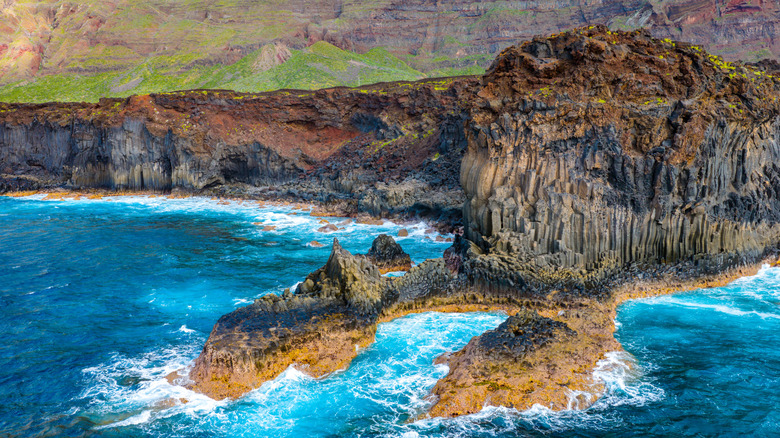
But Greek islands are not the only islands that are worth visiting in Europe. Travelers looking for an exciting alternative to the more famous (and more crowded) spots would do well to take a look at Spain's Canary Islands, a delightful archipelago in the Atlantic Ocean with stunning red and black sand beaches. Specifically, the small island of El Hierro, which has managed to remain a hidden gem and avoid the overtourism that has plagued some of the other islands, like Tenerife and Gran Canaria. This gorgeous little slice of island paradise boasts dramatic volcanic landscapes, glorious beaches, and some amazing snorkeling and scuba diving, while maintaining an atmosphere of peace and serenity that is often hard to find.
It is a relatively secluded island, and its small airport, El Hierro Airport (VDE) in the capital city of Valverde, is served only by local flights from Tenerife and Gran Canaria. Tourists to El Hierro will need to arrive at Tenerife Sur Airport or Gran Canaria Airport, and then fly or take a ferry across to the island.
Volcanic sand and stunning landscapes
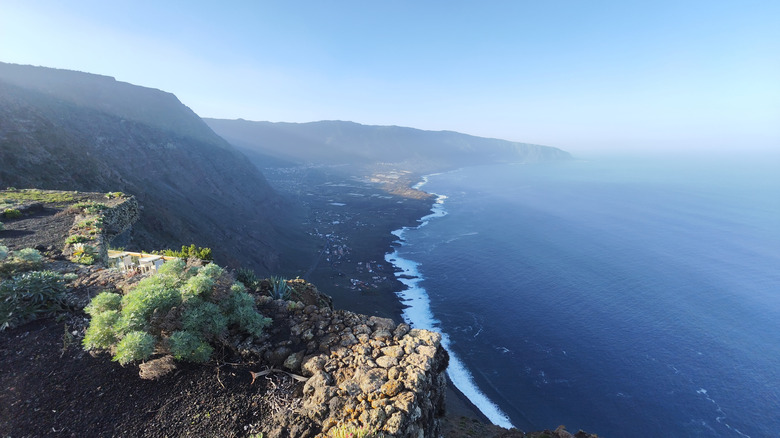
El Hierro is the second-smallest of the eight inhabited Canary Islands. It was conquered by Spain in the 15th century, along with the other islands in the archipelago, and has been part of the Kingdom of Spain ever since. El Hierro stands out from the other Canary Islands due to its relative underdevelopment and sense of peace and quiet, partly due to a lack of infrastructure and accommodation, and partly due to its status as a UNESCO World Biosphere Reserve.
This protected status is a huge part of what makes the El Hierro coastline so special, and why it boasts some of the best beaches in the Canary Islands. While Gran Canaria, Tenerife, Lanzarote, Fuerteventura, and even La Palma are covered in huge luxury resorts and package-holiday hotels, El Hierro's accommodations are largely family-run affairs, with a single Parador hotel on the east coast. The coastline is rockier and more rugged than the other islands, and its beaches are a little wilder and less manicured, but this only adds to the sense that this is a truly special spot.
El Hierro's beaches are a diverse bunch. Surfers often head to Cala de Timijiraque, a tiny, hidden bay on the rougher, eastern coast of the island. The massive Atlantic waves offer plenty of excitement, while the dramatic landscape is beautiful. Playa del Verodal boasts red volcanic sand, making it one of the most unusual beaches in the region, while Arenas Blancas stands out from the rest thanks to its pale white sand. Tacorón is ideal for families, thanks to its calmer, shallower waters, and it also has some of the best and most accessible snorkeling on the island, in the Mar de las Calmas.
Beyond the beaches
While the awesome black and red-sand volcanic beaches are the main highlight of El Hierro, there is plenty to do for travelers who want to explore beyond the beach. It is one of the best places in Europe for scuba diving, surrounded by rare coral reefs and an astonishing array of marine life, including barracudas, octopuses, parrotfish, sunfish, tuna, lobster, turtles, dolphins, beaked whales, angel sharks, and manta rays.
El Hierro, like its neighbor, Tenerife, is a must-visit for hiking enthusiasts. You can discover the remarkable sabinas, the iconic bent juniper trees of the Canary Islands, on a 5-mile circular hike from the Santuario de Nuestra Señora de los Reyes, or explore the fabulously rough and rugged coastline on a trail from Arenas Blancas to Tosca Arch. It is also worth trying out some of the beautiful natural pools on the island, formed from the volcanic rocks, at Charco Azul, Charco de los Sargos, or Pozo de las Calcosas.
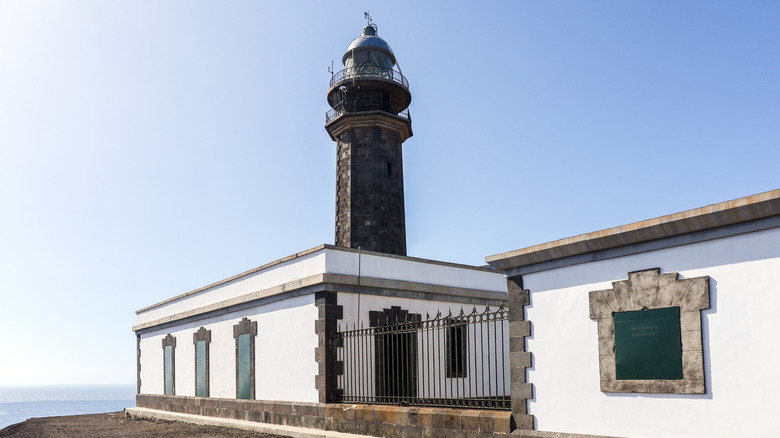
While the main attractions of El Hierro tend to be outdoor adventures, the island boasts a long, rich, and fascinating history as well, and there are plenty of historical and cultural highlights to experience. The 18th-century chapel of Nuestra Señora de la Concepción is home to the island's patron saint, while the eye-catching Orchilla lighthouse is officially the southwesternmost point in Spain. Fans of ancient history will enjoy seeking out the ancient petroglyphs at El Julan, carved into lava flows by the indigenous inhabitants of the island. El Hierro also has a rich winemaking tradition, and it is worth tasting some of the island's excellent vintages at Bodega Uwe Urbach or Bodega Elysar.