

Forget China, This Asian Destination Is More Popular In 2026 So Far
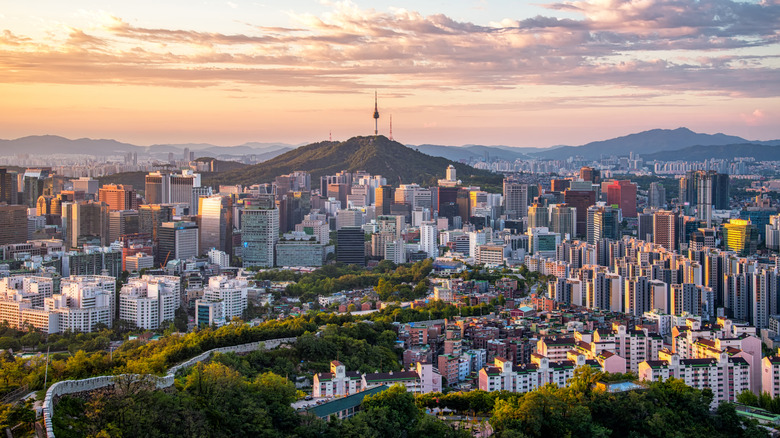
Tourism in Asia is booming in 2026. International travel in general is on the rise as travelers seek out more immersive experiences that fit in as much culture, history, food, nature, and entertainment as possible. Simply put, they want something extraordinary. While China has long been one of Asia's most popular countries, drawing visitors with its Great Wall, Forbidden City, and lovable giant pandas, one country has steadily risen through the ranks to become one of Asia's most sought-after destinations.
According to Travel and Tour World, South Korea is no longer one of the best-kept secret destinations in the world, and is now more popular than China, Thailand, Japan, and Singapore. Supporting this trend is Holafly's Summer Travel Report 2026, which shows South Korea having the biggest increase in demand among its top destinations compared with last year. The country welcomed 18.7 million international visitors in 2025 and, as part of a $280 billion tourism expansion in Asia, is aiming for 30 million visitors by 2028. So what's the appeal?
South Korea is a country of contrasts, with something to appeal to multiple generations. The Korean Wave, or Hallyu, as it's known, has spread its influence worldwide, introducing millions of people to K-Culture through pop music, television, fashion, and entertainment, and it has the world enthralled. Not just for Gen Z, South Korea has invested heavily in heritage tourism and has plenty of history, culture, and gastronomy to appeal to those whose knowledge of Korean pop culture is limited. While the capital, Seoul, may be filled with futuristic skyscrapers and high-speed trains, they blend harmoniously into the skyline among centuries-old palaces and historic temples.
Why South Korea is a popular Asian destination
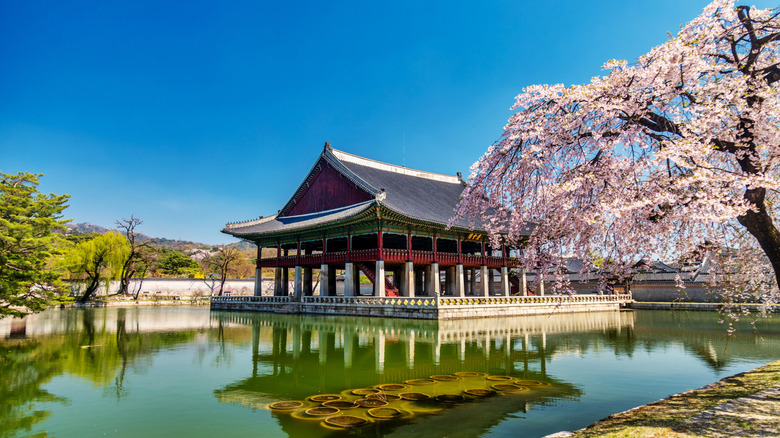
As demand for travel to South Korea grows, the Korea Tourism Organization (KTO) is keen to encourage more sustainable travel to avoid the problems that mass tourism has caused in other countries. The focus will be on offering experiences that go beyond the capital and encourage longer stays. Itineraries will focus on heritage tourism, wellness, and culinary tourism, while embracing the increasing popularity of K-Culture.
Seoul is without doubt one of the country's most visited places and contains some of the top heritage destinations in the whole country, such as Gyeongbokgung Palace, Changdeokgung Palace, and Bukchon Hanok Village. Entry fees aren't expensive, but if you rent a hanbok, Korea's national costume, you can enter the royal palaces for free. In Seoul you'll also find futuristic architecture, a vibrant culinary scene, and plenty of spas and jjimjilbangs (bathhouses) to appeal to the growing interest in medical and cosmetic tourism.
Beyond Seoul is where you can really start to create your own itinerary of South Korea depending on your interests. If you want to soak up the history, it's worth visiting the city of Gyeongju. The "Museum without Walls" was once the capital of the ancient kingdom of Silla, and has the largest number of tombs, temples, pagodas, and other UNESCO-listed sites in the whole of South Korea. Seoraksan National Park is filled with hiking trails if you want to spend time in nature, and is one of the best places for a day trip if you're staying in Seoul. Or follow the extensive coastline to Haeundae Beach in Busan, one of the best beaches in Asia. For those who simply want to experience traditional village life, pay a visit to Andong Hahoe Folk Village or Jeonju Hanok Village, where ancient customs live on in traditional Korean houses. Stay overnight and sample bibimbap with kimchi, South Korea's national dish.
Planning a trip to South Korea
With nonstop flights from 160 destinations, most international visitors arrive at Incheon International Airport, just a 45-minute train ride from Seoul on the AREX Airport Railroad Express. Major airlines such as China Eastern, AirAsia, and Cathay Pacific may have reported an increase in passengers traveling to Asia recently, but South Korea is also well served by smaller budget airlines, which is very convenient if you're planning a multi-country trip.
The high-speed KTX rail network is the quickest and easiest way to get around the country, but in Seoul, the subway will pretty much get you anywhere you need to go within the capital. You'll need to pick up a rechargeable T-money card to pay for your journeys both on the subway and by bus. If you plan to do a lot of exploring on foot, download Naver Map or Papago as Google Maps doesn't work as well in South Korea as it does in other countries.
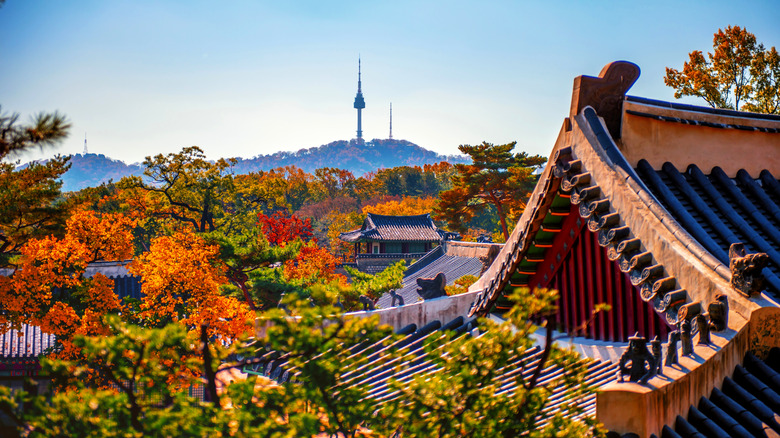
Like many places, the best time to visit South Korea is during the shoulder seasons. Summer can get very hot and humid, and winters are often bitterly cold. If you go in spring, you'll catch the cherry blossoms and enjoy milder temperatures. Head there in fall and you'll see the mountains and forests turn vivid shades of yellow, orange, and red. Unsurprisingly, many other visitors have the same idea, so if you're planning on seeing the trees on display at Nami Island or Naejangsan National Park, it's worth booking your KTX ticket in advance.