

One Of The Least-Visited Countries In The World Boasts Spectacular Beaches And Coral Reefs
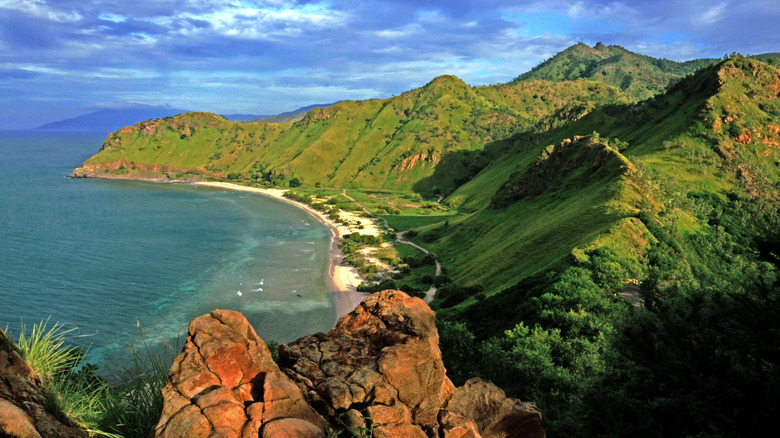
Found in the South Pacific Ocean between Indonesia and Australia, Timor-Leste is one of the most beautiful islands you've never heard of and only covers about 5,800 square miles of land. Its neighbors, like Bali and the Philippines, attract millions of visitors a year, but Timor-Leste brings in a sliver of that. According to World Bank tourism data, international arrivals were below 100,000 visitors in 2019, making it one of the least visited places on the planet.
But with quiet beaches, unspoiled reefs, and a stunning natural setting in the Pacific, why is Timor-Leste so off the radar? For one, reaching the islands can be quite challenging, as there are very few direct international flights. Additionally, the tourism sector is small, and infrastructure is modest (if existent) outside of the main hubs. Timor-Leste isn't on the road well-traveled, it's completely off the mainstream map. The country's history also plays into its anonymity. Timor-Leste spent centuries as a Portuguese colony before it managed to declare its independence in 1975. The declaration was followed by years of conflict and instability, and the United Nations eventually stepped in to back a transition period so the country could formally regain its sovereignty in 2002. This makes it one of the world's newest independent countries.
The government is working to create growth in Timor-Leste's tourism sector, so for those looking for the world's "last frontier," this could be it. Its tropical coastlines, robust marine life, and the effort required to get there offer something that's increasingly hard to find in other destinations.
Timor-Leste's incredible coral reefs and pristine, empty beaches
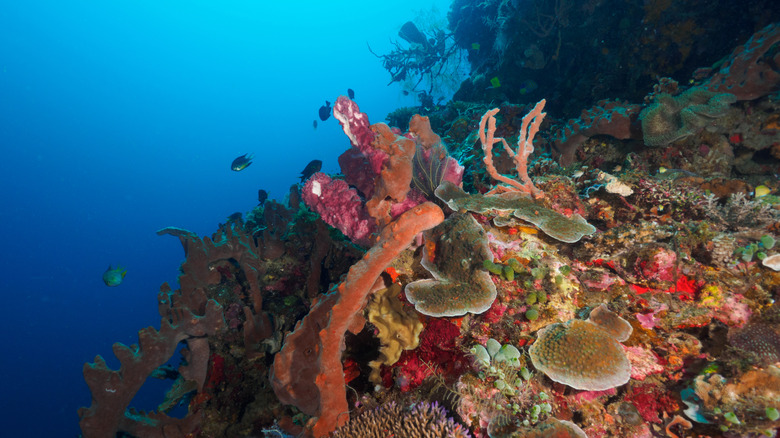
Other than being mostly uncharted territory, Timor-Leste offers incredible opportunities to explore what lies beneath the ocean's surface. The country sits within what's called the Coral Triangle, a large marine region spanning six countries often described as the "Amazon of the Sea" due to its extraordinary biodiversity. It holds about 76% of the world's coral species and more than a third of all reef fish species.
Unlike many famous diving destinations that require lengthy boat rides, many reef systems here can be accessed directly from the shore. Visitors will encounter reef fish, sea turtles, dolphins, manta rays, whale sharks, and a chance to see the elusive dugong — a relative of the manatee affectionately known as a "sea cow." Comfortable conditions for swimming, diving, and snorkeling can be found year-round here as water temperatures typically hover around the low- to mid-80s. Visibility is generally best during the dry season from May to October.
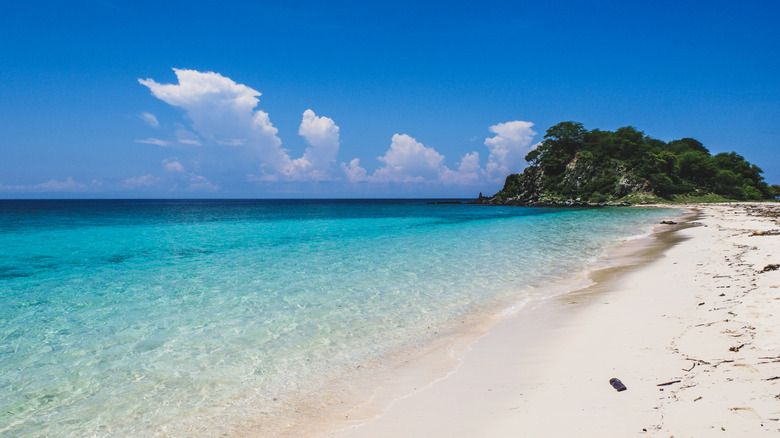
Once you've explored below the waves, Timor-Leste's beaches offer the perfect place to wind down and chill out. Aeria Branca is just outside the capital and is the most accessible beach from Dili. It's a top spot for locals. Atauro Island is home to Adara and Akrema Beach, offering pristine natural shorelines. On the northeastern side of the island sits Baucau, a newer city home to a beautiful white sandy beach stretching long in either direction. Timor-Leste's beaches remain quiet, remarkably unspoiled by infrastructure or other visitors, and could make the list of some of the prettiest waters in the world.
Planning your adventure to Timor-Leste
Going to Timor-Leste requires more planning than a typical tropical escape. It's within relatively easy reach of Asian-Pacific travel routes, but international flight options remain limited. Travelers will need to arrive through Dili's Presidente Nicolau Lobato International Airport (DIL). Direct flights can usually be found from Bali, Darwin, Singapore, Kuala Lumpur, and two cities in China: Xiamen and Fouzhou. Depending on where you're coming from, reaching Timor-Leste could mean one, two, or even three flights. If so, remember: the journey is the destination.
The dry season is typically from May through October, when the roads are most passable, rainfall is limited, and underwater visibility for diving and snorkeling is at its peak. The wet season can still be enjoyable, and the vegetation is as lush and green as it gets.
Since Timor-Leste isn't a frequented country, it's best to stay as prepared as possible for the practical realities of being there. Cash is the preferred method of payment, and you won't find many places that accept credit cards. The U.S. dollar is the country's currency. English is spoken in the major cities and some tourism settings, but the official languages are Tetum and Portuguese. Translation apps and patience will go a long way. For more off-the-beaten-track destinations in the Pacific, check out Tuvalu — on track to become the first "digital nation."