
California's Most Popular National Park Got Rid Of Reservations, Leading To Massive Crowds
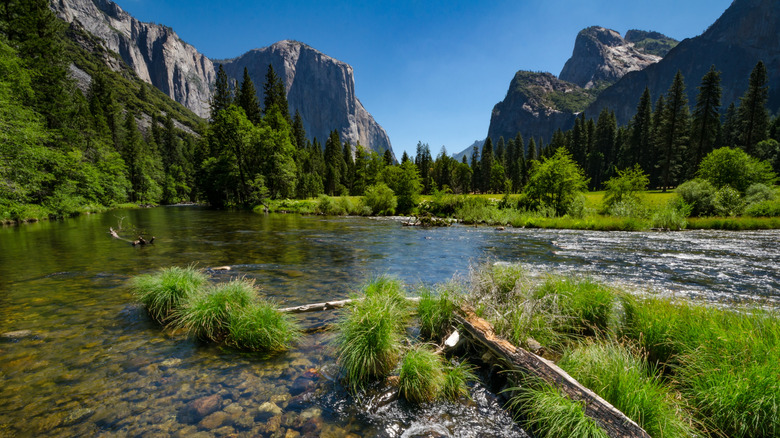
With iconic landmarks such as El Capitan, Half Dome, and Glacial Point, Yosemite is one of the most visited national parks in the U.S. Its close proximity to California's major cities makes it an obvious choice for a family day out — as long as you reserve in advance. But in February 2026, entry reservations were scrapped, resulting in a considerable increase in visitor numbers. Around 225,000 people visited Yosemite in March 2026, compared to around 155,000 the previous year, showing a roughly 45% increase.
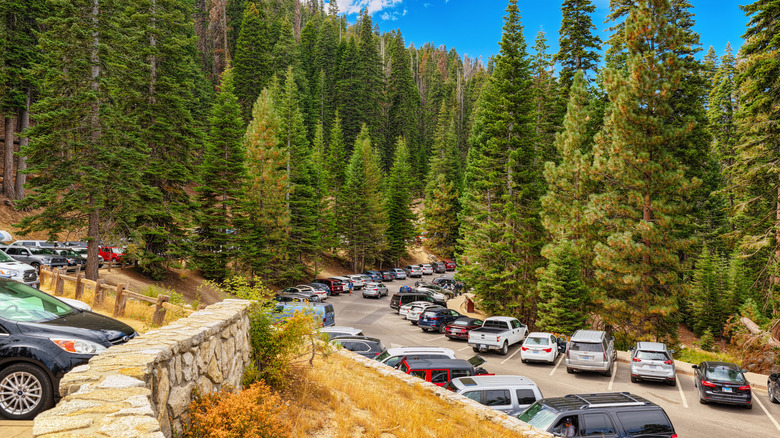
Memorial Day weekend saw huge crowds descend on the park, creating long queues at the entrances, out on the trails, and all over the park. Parking lots were reportedly full by 10 a.m., leaving visitors to park wherever they could find space. "The illegal and unsafe parking was out of control, not to mention the hordes of people waiting at every shuttle stop, lines blocking trails and sidewalks," wrote Redditor u/caffeinefreeyouth. Yosemite isn't the only national park to lift the reservation system. The crown of the continent, Glacier National Park, Arches National Park, and Mount Rainier National Park have followed suit, although none has yet experienced such a dramatic increase in visitor numbers.
The debate over entry reservations at Yosemite National Park
Reservation systems were introduced in some national parks in 2021 in an attempt to manage overcrowding and reduce pressure on natural resources following the pandemic. This was a controversial decision at the time, with some visitors claiming it made public land less accessible. After reviewing traffic patterns, parking availability, and visitor use, park officials now believe that it is no longer necessary to keep the seasonal reservation system in place. On the official National Park Service (NPS) website, Yosemite superintendent Ray McPadden explained, "While reservation systems are one valuable management tool, our data demonstrates that a season-wide reservation requirement is not the most effective approach for the coming season."
The decision has thrown fuel on the debate that has divided visitors, conservation groups, and local businesses for years. Supporters argue that it reduced congestion, improved parking, reduced trail erosion and strain on other park facilities, and, importantly, kept wildlife disturbance to a minimum. However, critics argue that America's national parks should be accessible to everyone, not just those able to plan months ahead.
The question now is how Yosemite will manage the increase in visitor numbers and the noise levels, waste management challenges, and higher possibility of human-wildlife encounters that follow. "In the past, increased visitation at a park typically led to that park receiving more funding from the National Park System operations account," executive director of nonprofit Fund for People in Parks Jesse Chakrin told SFGate. "But under the Trump administration, that practice has gotten derailed. Now, more visitors often means more stress on an already struggling, understaffed agency."
How to avoid the crowds in Yosemite National Park
While the crowds may have you running in search of a quieter alternative, a carefully planned visit to Yosemite is still possible. The park is open 24/7, and arriving as early as possible is your best bet for avoiding bumper-to-bumper queues and overflowing parking lots. This will also give you the chance to visit the major sights or set off on more popular trails before the busiest part of the day. That said, some days are quieter than others. Visiting midweek during the shoulder seasons is generally a more pleasant experience than a weekend in midsummer. Whatever day you visit, always check conditions before you go via the NPS website or app.
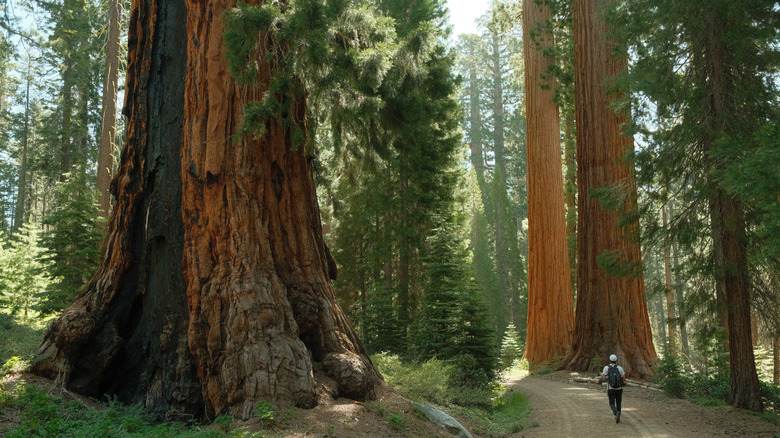
You may have a more rewarding visit if you ditch the more well-known attractions altogether and explore the lesser-visited, but equally beautiful places in Yosemite. Tuolumne Meadows is the starting point for several trails and is usually much less congested than Yosemite Valley. The Chilnualna Falls Trail is a quieter alternative to the Mist Trail but equally picturesque. And while everyone else heads off to Mariposa Grove, take the path to Merced Grove instead to see giant sequoias. If Yosemite looks too busy, consider visiting the least-visited national parks in California instead: Lassen Volcanic National Park, Pinnacles National Park, or Channel Islands National Park, where you can explore one of the world's largest sea caves.
Even though the entry reservation system disappeared, entrance fees still apply. A standard vehicle pass for U.S. residents costs $35 (international visitors pay $100 each on top of this) and is valid for a week. The best value is an America the Beautiful Pass, which costs $80 and gives you entry to all national parks and other federally managed sites for a year.