

Bar Harbor's Controversial Cruise Ship Ban Was Overruled – Here's What To Expect
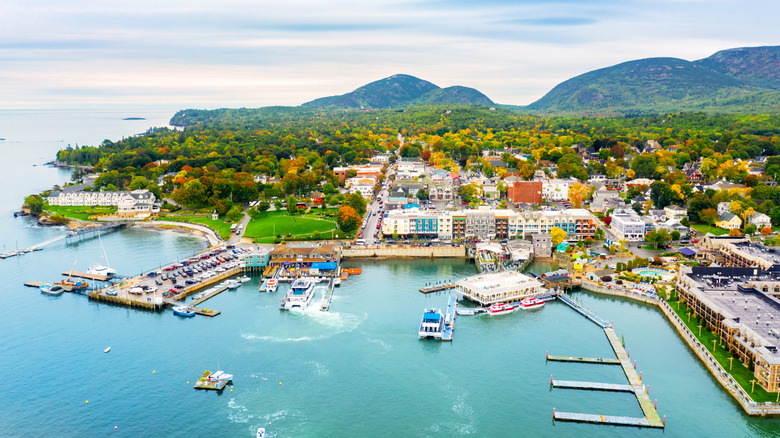
A controversial ban limiting cruise ship passenger numbers in the small Maine town of Bar Harbor has been overruled by a federal judge, further dividing the town's residents. Town voters had previously approved a daily cap of 1,000 cruise passengers back in November 2022, a decision that was later upheld by U.S. District Court Judge Lance Walker when it was disputed again in court in February 2024. Going back on his original decision, Judge Walker ruled in May 2026 that the cap will only be in place in July and August, stating via Bar Harbor Story, "I conclude that the ordinance's 1,000-passenger cap is not clearly excessive in relation to its local benefits during the peak summer tourism season but is clearly excessive in relation to the shoulder seasons."
Cruise tourism plays a major economic role in Bar Harbor, one of America's best small towns and a popular stop on New England and Canada cruise itineraries. Visitors come to enjoy the coastal scenery, lobster restaurants, and whale-watching tours, and to explore the nearby Acadia National Park. The town is particularly popular in fall when a wave of autumn color covers the Pine Tree State and visitors go off in search of the most scenic drives in Maine.
However, before the cap, those daily visitors were set at 3,500 in peak season and as many as 5,500 in the shoulder months. In a town with only around 5,000 residents, many in favor of the visitor cap feel that the town was becoming overwhelmed. While smaller cruise ships have still been able to dock at Bar Harbor, larger ships, whose passenger numbers far exceed 1,000, have had to change itineraries and head to larger ports such as Portland instead. Despite many locals being in favor of the ban, it has caused many local businesses, who rely on the cruise trade, to lose money.
What the Bar Harbor ban lift means for cruise ship passengers
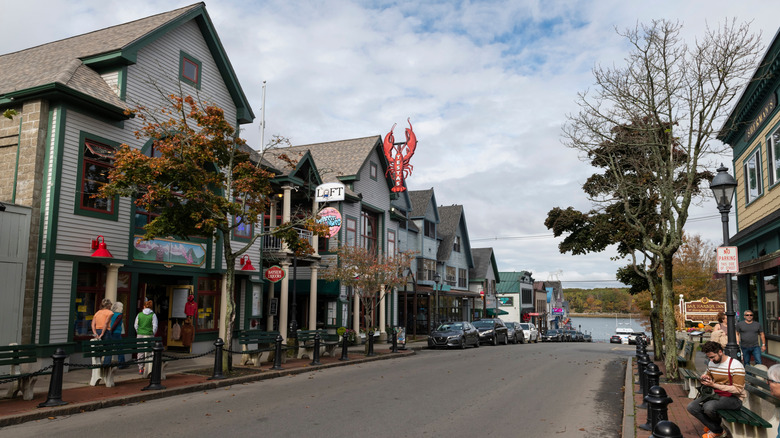
As cruise schedules are planned years in advance, changes are unlikely to be noticeable immediately. Those not in favor of the judgement are likely to appeal against the decision, leaving the future of the passenger cap uncertain. Meanwhile, cruise tourism is considerably lower now: Around 50,000 cruise passengers are expected to disembark in Bar Harbor in 2026, compared with around 182,000 in 2024.
This is just a small part of a wider global issue involving concerns about the increasingly large cruise ships that have left smaller destinations struggling to cope. Other places such as Alaska, Spain, Santorini in Greece, and the popular Italian spot Sacra, have also looked into ways of limiting cruise ship numbers, voicing concerns about environmental impact and damage to the infrastructure. The world's biggest cruise liner has the capacity to carry over 7,000 passengers, making it understandable how so many visitors at once could overwhelm a small town like Bar Harbor.
This isn't the only cap that has been placed on the town, which has created a Sustainable Tourism Task Force. Short-term rentals and other tourist accommodation developments are being regulated while the town tries to find a balance between tourism and quality of life for the residents. In the meantime though, the passenger cap only applies during July and August, leaving larger cruise ships free to return throughout the rest of the year. This is good news for major cruise lines such as Royal Caribbean and Norwegian Cruise Line, and somewhat of a relief for local businesses such as gift shops, tour companies, restaurant groups, and members of the APPLL (Association to Preserve and Protect Local Livelihoods), a group that helped bring the 2022 referendum in front of the court.