

America's Longest Official National Scenic Trail Is A Backcountry Paradise For Hikers
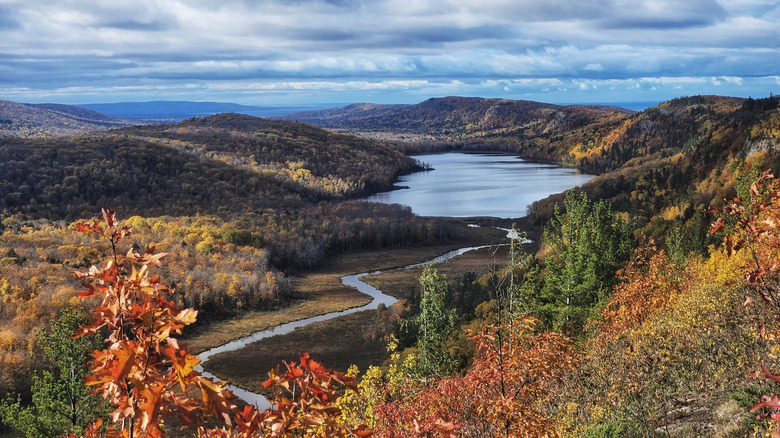
Think of the longest hiking trails in the U.S., and one of the "Big Three" probably springs to mind. Yes, the Appalachian Trail, Pacific Crest Trail, and Continental Divide Trail are certainly epic, but far from being the longest. That honor goes to the lesser-known North Country National Scenic Trail, which is officially the longest trail in America in the National Trails System.
Stretching over a whopping 4,800 miles, the North Country Trail passes through eight states from North Dakota to Vermont, covering a huge variety of scenic landscapes. So why does it receive less attention than the Big Three? Partly because it arrived much later. It has officially only been around since 1980, long after the Triple Crown trails had already achieved their iconic status, a solid thru-hiking culture, and the kind of social prestige that comes with completing them. More than 20,000 people have completed the Appalachian Trail compared to around 20 who have completed the North Country Trail. Plus it passes through quieter, lesser-known backcountry regions and involves a lot of road walking, rather than traversing mountain ranges and famous trail towns.
Nevertheless, it's arguably one of the country's most picturesque and diverse trails, passing through national parks, state parks, national forests, wilderness areas, and wildlife refuges. If you're tempted to give it a go, the western trailhead lies in Lake Sakakawea State Park in North Dakota, around an hour's drive from the state capital, Bismarck. And if you're starting from the eastern side, the trailhead is at the junction of the Appalachian Trail and the Long Trail in Vermont's Green Mountains, around a 75-mile drive from Burlington.
Hiking the North Country National Scenic Trail
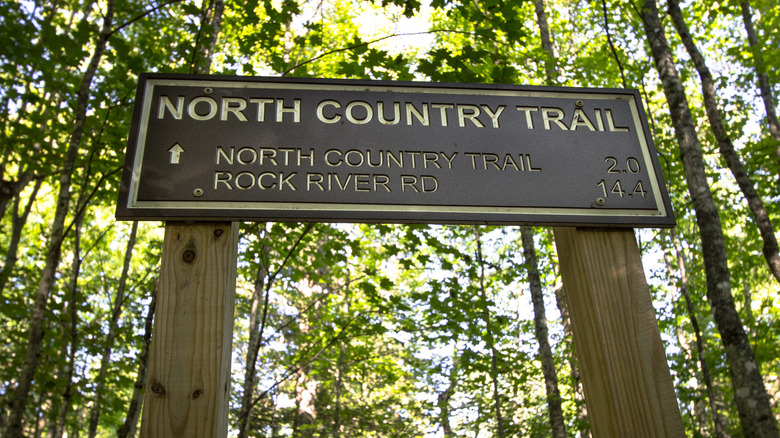
Because of the huge distance it covers, many hikers choose to tackle sections rather than attempt the whole thing. As well as Vermont and North Dakota, you can access the trail from New York, Pennsylvania, Ohio, Michigan, Wisconsin, and Minnesota. Even visitors coming from major cities like Minneapolis, Detroit, Cleveland, and Buffalo will find a trailhead nearby.
Some sections are more popular than others, so if you're preparing for a shorter hike, there are a few highlights you won't want to miss. With almost a quarter of the entire trail running through Michigan, the state has its fair share of spectacular scenery. Some of which is in Porcupine Mountains Wilderness State Park, the perfect place for a picturesque fall colours tour. If you head up to the Lake of the Clouds viewpoint, you won't be disappointed with the magical views over aspen and maple forests around Lake Superior.
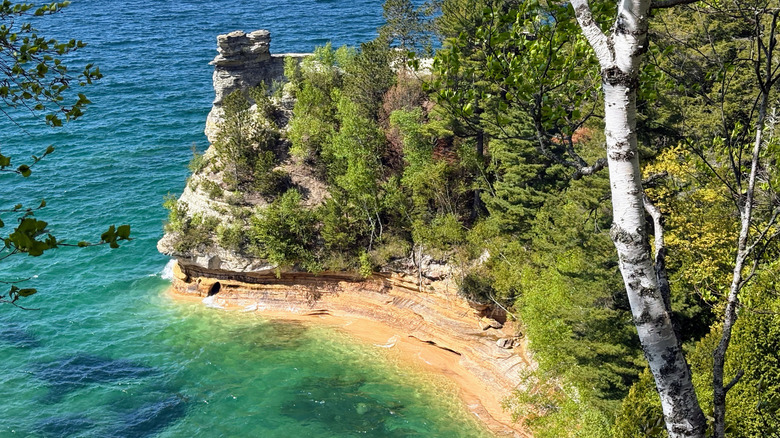
Also in Michigan, Pictured Rocks National Lakeshore is often described as one of the most breathtaking parts of the trail. Passing sandstone cliffs, wild forest-lined shorelines, waterfalls, and woodland, this section is ideal for wildlife watching and birding, with black bears, gray wolves, moose, and more than 400 species of birds to look out for. Lakes are a common feature along many sections of the trail passing by the Finger Lakes region in New York and the Boundary Waters Canoe Area Wilderness in Minnesota. While it's impossible to list everything worth seeing in one short section, the North Country Trail website shows detailed maps and suggested seasonal hikes.
Planning your North Country Trail adventure
The trail is managed by the North Country Trail Association, with partner organizations in each state. Around 40 chapters take care of the trail, organizing a full schedule of events and volunteering opportunities. Trail clearing and building days or weekends put you in the heart of the community with access to nearby campgrounds. There are also guided and self-guided walks focusing on wildlife or conservation efforts. Celebrations and festivals are held in the trail towns, and the chapters organize many hikes throughout the year.
Thanks to the variety of terrain, the trail is there to be enjoyed in any season. However, harsh winter conditions in the northern states mean most people hike it from east to west in an attempt to reach the end and avoid the heavy snow in those regions. That said, parts of the Minnesota and Michigan sections are perfect for snowshoeing or cross-country skiing once the snow lays a heavy blanket over the land. With much of the trail being paved, some sections are also ADA accessible.
If the thought of hiking the entire 4,800 miles is a little overwhelming, take inspiration from Joan Young, who has completed the North Country Trail not once but twice — the second time at the age of 75. For most thru-hikers, the trail takes over a year to complete, and you should be prepared for remote stretches and long road walks in some of the unfinished sections. Unlike the Big Three, you don't need a permit, but you will need camping permits in some federally managed areas. Maps are free and available online, or try FarOut, considered the best thru-hiking app for 2026 by experienced hikers.