

These Asian Airlines Are Cancelling Tons Of Flights, Leaving Travelers With Fewer Options
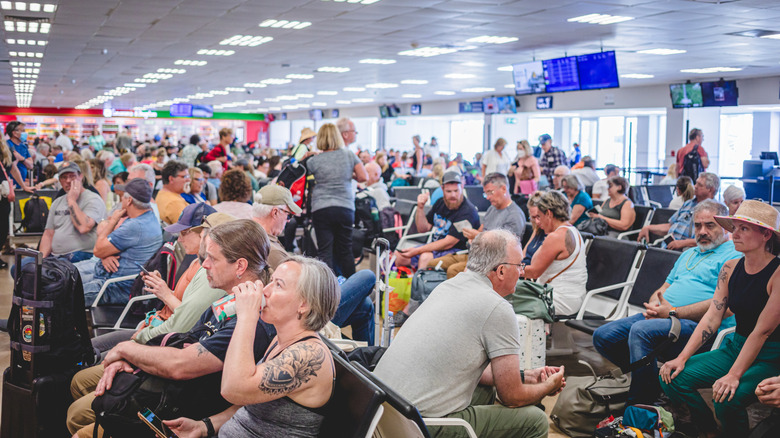
Major airports throughout Asia have been left in chaos due to thousands of delayed flights and hundreds of cancellations. This has left passengers stranded in some of the busiest airports in Asia and left wondering how they're going to reach their final destinations. These disruptions are the latest problems faced by travelers linked to the ongoing conflict in Iran and the Middle East. Rising fuel costs and airspace restrictions have forced airlines, including IndiGo, Air India, China Eastern Airlines, and Shanghai Airlines, to change flight schedules at airports in Singapore, China, Thailand, Japan, Malaysia, South Korea, and India. Around 3,000 flights have been affected by delays, at the time of writing, and over 440 have been cancelled altogether. The airports most affected are Indira Gandhi International Airport in India, Tokyo Haneda Airport in Japan, and Chhatrapati Shivaji Maharaj International Airport in Mumbai.
While fuel prices continue to climb, airlines are also dealing with the pressure of longer rerouted flight paths around restricted airspace. This increases overall flight times, creating an imbalance between travel demand and aircraft capacity. Airlines are having to reduce the number of flights, use smaller aircraft to cut fuel costs, or even suspend flights altogether until the situation improves. Asia is particularly vulnerable as much of the continent's fuel supply passes through the Strait of Hormuz, an important shipping route that is currently an area of geopolitical tension due to the conflict. On top of this, weather has also been causing problems, especially in southern China, where thunderstorms and fog have caused even more delays.
What the flight delays in Asia mean for passengers
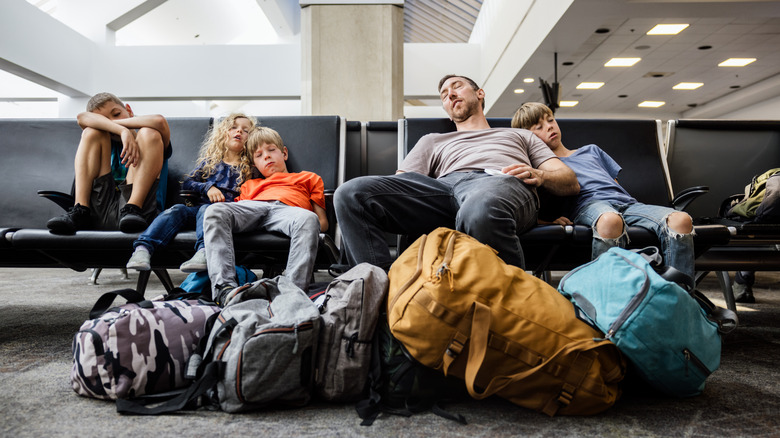
The thousands of passengers affected by these delays should be prepared for longer layovers, bigger lines, and perhaps unexpected overnight stays. Airlines have already announced that schedules will be reduced going into summer 2026, meaning there will continue to be fewer options on several routes across Asia. As a result, passengers should expect higher fares and fuller aircraft, meaning less flexibility all around. Competition for seats also means you won't have as many rebooking options if your flight does happen to be cancelled. On the positive side, passengers who have been left stranded should check with the airline, as meal vouchers and accommodation may be provided in certain circumstances. You should also ask about alternative flights as soon as possible and learn what to do if you miss your connecting flight.
Although it's not always possible to predict these events, it does help to prepare yourself if you're planning to travel in 2026. Firstly, check your travel insurance and make sure you're covered for delays, cancellations, and possible hotel costs. If possible, book connecting flights with the same airline so you don't end up having to juggle different booking policies and customer services, which can add an unwelcome stress at the airport. Check your airline app for regular updates and use flight tracking tools like FlightAware for real-time peace of mind. When it's time to head to the airport, allow yourself more time than usual and expect longer lines at both check-in and security, particularly at the larger airports.