

National Park Rangers Warn Against This Common Mistake That Could Get You In Trouble
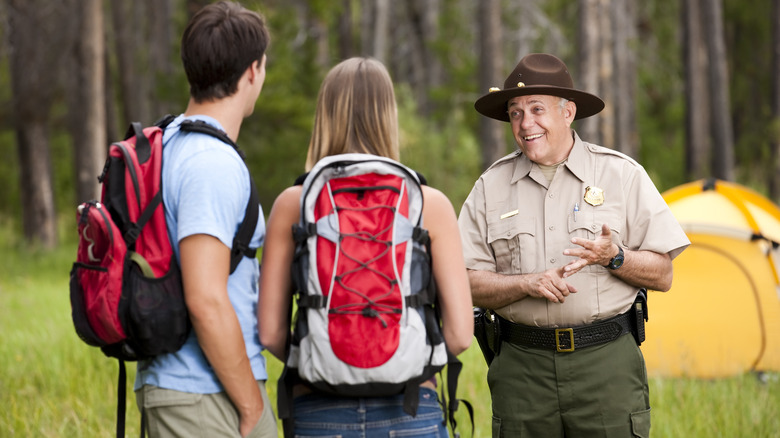
If you're a nature lover or an outdoor recreation enthusiast, national parks are probably some of your favorite places to visit on vacation. The United States is home to multiple must-visit national parks with awe-inspiring scenery. Many of them are located in remote areas and offer visitors the opportunity to experience large expanses of wilderness. Some of the last places in the country that remain relatively untouched by human beings are located in national parks. Unplugging and removing yourself from the hustle and bustle of daily life so that you can connect with nature is part of the beauty of visiting — and yet some visitors make the mistake of believing they will still be able to rely on technology.
Some national parks are located in such remote areas that cell phones aren't able to get reception. Similarly, you might not be able to connect with Wi-Fi unless you're at a ranger station or visiting a nearby town. In this day and age we're used to relying on our cell phones, and many travelers aren't prepared to explore national parks without that convenience.
Even when we're enjoying the great outdoors, we may rely on our cell phones for GPS or to pull up the list of hikes that we hope to enjoy on apps like AllTrails. We may hope to use our phones to check in with loved ones back home, or even communicate with our travel companions if we happen to get separated on the trail. It can be stressful and even dangerous to realize that using your mobile devices is not an option. According to national park rangers, you shouldn't expect to have access to your phone when visiting national parks. Instead, make sure you're prepared with the right equipment to enjoy the great outdoors safely, and take the proper safety precautions throughout your trip.
Park rangers warn that relying on cell reception and Wi-Fi is a common mistake
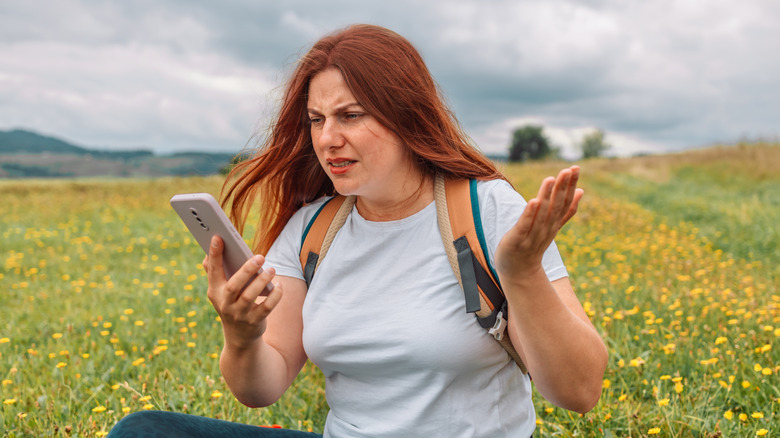
Danielle Jackson, who formerly worked as a ranger at state and national parks, wrote an article for Business Insider in which she described five mistakes that she frequently saw travelers make when they visited national parks throughout the United States. The first thing she mentions is that many visitors expect to be able to use their phones while at the park. "When I worked in the parks, visitors sometimes (incorrectly) assumed they'd have access to WiFi and cell service during their visit. However, this wasn't usually the case," Jackson wrote. In a world where technology is almost always at our finger tips, it's easy to overlook the fact that cell phone reception and Wi-Fi aren't always available.
Some locals also complain about how tourists expect Wi-Fi in remote places. On Reddit, someone with the username yellowstonetoebeans wrote about the topic in the r/yellowstone subreddit. "I can't believe the amount of times I have seen people harass park workers about wifi since I've been here. People, we are in the MOUNTAINS! 6-8k feet above sea level in the clouds! You've spent thousands of dollars, taken off work, put your whole life on hold to get here and WIFI is what you are most worried about? Come on! Look around at where you are!" They also added that if you need access to Wi-Fi, you should make other arrangements or visit a nearby town.
Prepare yourself to explore national parks without Wi-Fi or cell reception
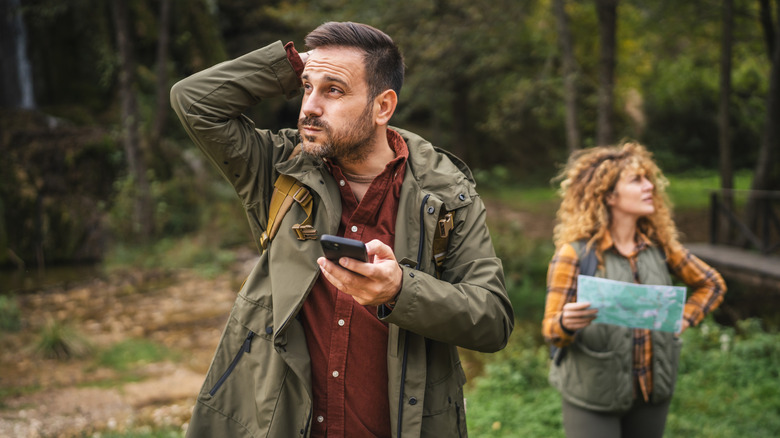
You should try to get comfortable with going analog on your vacation to a national park. Don't expect to have access to GPS to get around. It's a good idea to study your maps app before arriving to get the lay of the land, in case you lose service during your drive. Stopping at the official National Park Visitor Center when you arrive to pick up a map of the park is a smart move. Keep the map with you whether you're in the car or on the trail. You never know when you're going to have to use it to navigate.
Make sure you're familiar with hiking safety tips. If you're heading out on the trail, you should always carry a compass and know how to use it. This is especially true if you're hiking in a wilderness area or going on a wild camping excursion. It's easier than you think to take a wrong turn and end up lost and confused. Having a compass and a map will ensure that you're able to find your way back to civilization as quickly and safely as possible.
You might not be able to use your cell phone if you get separated from your group in a national park. If you're hiking with a large group, it's a good idea to adhere to the buddy system. The National Park Service suggests selecting a meetup spot, which the website defines as, "A place where you will all gather when you are done with your activity." If you're exploring with a group that has multiple different hiking speeds and fitness levels, schedule regular times to pause and regroup. If someone in your group gets lost, the NPS suggests stopping the activity and returning to the last known location.