
This Is One Of Europe's Most Affordable Destinations In 2026 Where The US Dollar Goes A Long Way
One way or another, we've all been affected by the rising cost of just about everything in recent months. Grocery bills seem to have doubled overnight and the price of filling a tank with gas almost brings tears to the eyes. For travelers, dreams of reaching that far-off destination grow more distant, with holidays abroad often the first thing we sacrifice when having to tighten our belts. But it doesn't necessarily have to be.
There are destinations where the U.S. dollar stretches a little further than it does in the usual tourist-trodden hotspots, meaning your holiday plans don't have to go on the back burner. According to Condé Nast Traveler, one of the cheapest countries to travel to in 2026 is Romania in Eastern Europe. Here the currency is the Romanian leu rather than the euro. This is good news for budget travelers, as it helps keep everyday costs lower than in much of the eurozone, meaning your money goes further, especially when the U.S. Dollar Index is strong.
The average wage in Romania is generally much lower, meaning accommodation, restaurants, and transport are also much cheaper. So while mass tourism and rising demand have pushed up prices considerably in other parts of Europe, Romania's pricing structure is still aimed primarily at local residents. For example, the average cost of living in France, Europe's most visited country, is 81% higher than in Romania. Put into everyday travel terms, a meal that would cost around $30 in a French restaurant would cost closer to $16 in Romania. That difference quickly adds up over a longer stay.
Romania on a budget
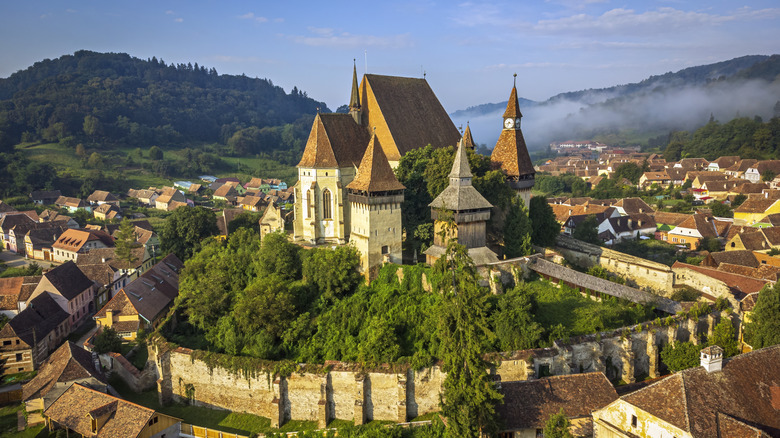
There's more to Romania than notorious counts and gothic legends. The country borders no fewer than five other nations and has a stretch of coastline along the Black Sea, while much of its southern border with Bulgaria is formed by the great Danube River. Its most famous region, Transylvania, sits in the center of Romania, surrounded by the Carpathian Mountains. This underrated tourist spot is known for its medieval towns such as Brașov and Sibiu, remote rural villages with wooden churches, and its ancient hilltop castles – the most famous of which is Bran Castle, long associated, somewhat inaccurately, with Dracula. It's Romania's biggest tourist attraction, but despite this, entry fees to Bran Castle start at around a reasonable $7, and it still makes a great stop on a Transylvanian road trip.
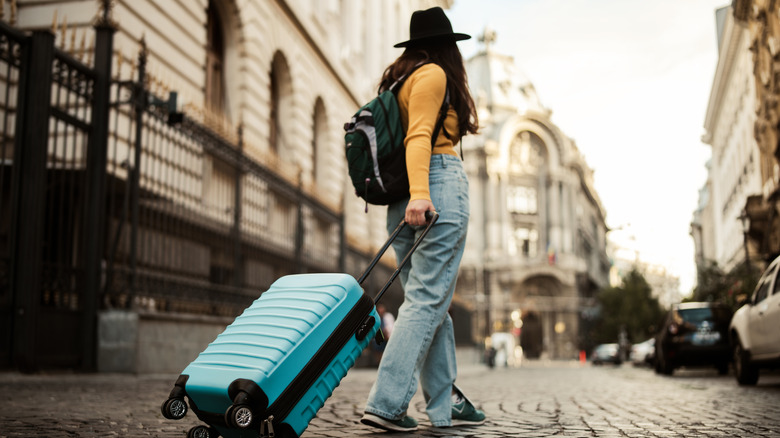
The capital, Bucharest, is well connected to other European cities such as Vienna and Istanbul, thanks to the country's extensive railway network. But the cheapest way to get to Romania is by flying. You can choose a flight from one of over 60 European destinations to one of seven Romanian airports, the main one being Bucharest Henri Coanda International Airport, just 11 miles out of the city center. You'll find a city with a mix of architectural styles, and fewer crowds compared to Western European capitals. What makes Romania stand out even more is how much you get for your money while you're there. Accommodation is reasonable on any budget, with hostels on Hostelworld starting around $12 per night. You'll also find a good selection of Airbnbs in the city, or guesthouses if you head out into the country.
How to travel cheaply in Romania
With low-cost travel options, both long distance and local, you can use the money you save by slow-traveling your way around Romania. Thanks to the country's rail network, non-Europeans can get around easily with the Eurail Romania Pass. It allows passengers unlimited train travel over several days, as well as discounts on accommodation and attractions. You can save money further by using taxi shares, or "taxi grup," and local buses to transport you to and between the more remote villages. This may be a better option than renting a car. Romania has the highest number of road fatality rates in Europe – reason enough to stay off the roads altogether and hike instead.
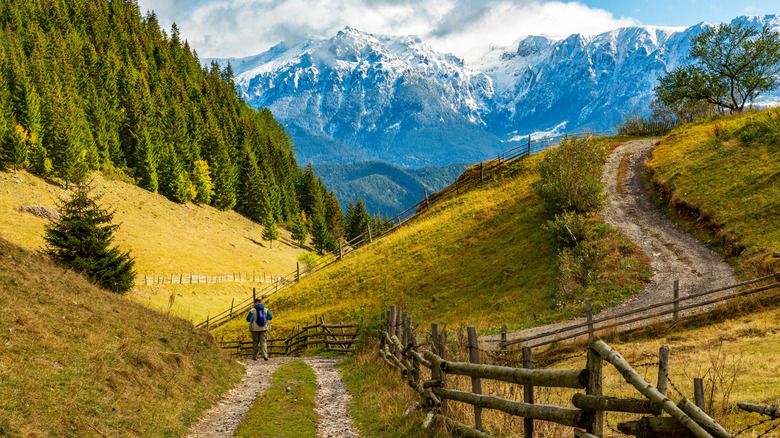
There is indeed some fantastic hiking in Romania, and being free, you can't travel much cheaper than that. A great place to start would be the largely untouched wilderness of the Carpathian Mountains. As the second-largest mountain range in Europe, they cover more than 50% of Romania. There's a wide range of trails, from gentle hikes to more challenging climbs. That said, hiring a professional guide is often the safest option in any of the Romanian mountain ranges, and you'll find a great selection of hiking tours with Romanian Friend. Maps and trail markers are notoriously difficult to follow, and Romania has the largest population of brown bears in Europe.
If you plan on staying in the mountains, some villages have family-run guesthouses costing around $30 per night, and that often includes a hefty homemade dinner. At higher altitudes, there are basic mountain huts, but they have minimal facilities and often need booking in advance. No matter how little you pay for meals, transport, or accommodation, be sure to always carry some cash on you. This far out in the wilderness, paying by card is not an option.