

Travelers Are Frustrated Over Long TSA Lines. Here's How Long You Might Have To Wait
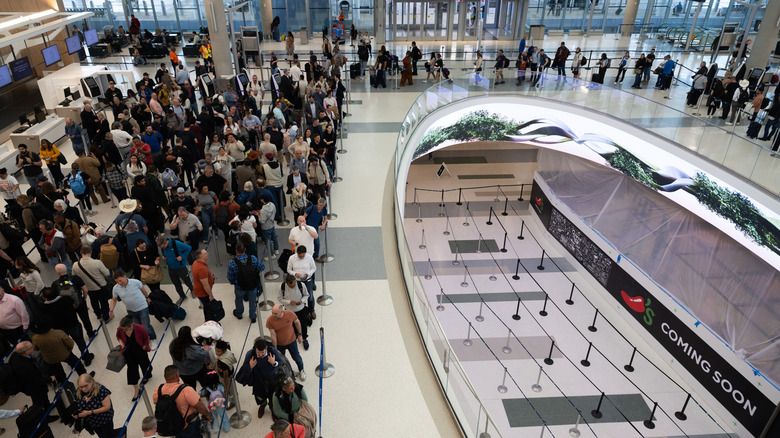
Waiting in a Transportation Security Administration (TSA) line is never the most enjoyable part of the whole airport experience, especially if you have children with you or need to catch a connecting flight. Right now, passengers are facing much longer lines than usual, with waiting times reaching up to several hours. Travelers should be prepared for lines in airports across the U.S., with some even spilling out of terminals and into the parking lots, with reports of up to four-hour wait times.
The problem is primarily due to the ongoing government shutdown, which has led to notable TSA staff shortages. As much as a third of personnel have been reported absent in some major airports, according to the Department of Homeland Security, which operates TSA screening in the majority of airports around the country. Faced with no full pay, workers are calling out, leaving existing security personnel covering limited checkpoints or operating with reduced lanes. George Bush Intercontinental Airport (IAH) in Houston and the world's busiest airport, Hartsfield-Jackson Atlanta International Airport (ATL), are facing some of the worst lines.
Air travel is already being disrupted, with the risk of some smaller airports shutting down altogether. Combined with record numbers of passengers, severe weather conditions, extra Spring Break vacationers, and increased security risks due to the war with Iran, passengers are at higher risk of missing flights, facing additional costs, and dealing with the stress of possible rebooking or canceling their plans altogether.
How passengers can deal with long TSA lines
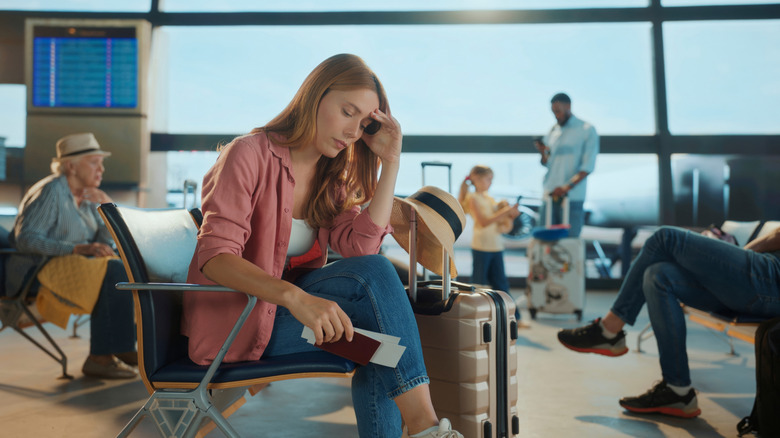
While the government is unable to come to an agreement on federal immigration enforcement policies, the shutdown will continue, with transportation officials warning that the situation could get worse. Meanwhile, in a controversial move, President Donald Trump has sent U.S. Immigration and Customs Enforcement agents (ICE) to at least 14 airports, including Hartsfield-Jackson Atlanta, Louis Armstrong New Orleans, and the popular La Guardia Airport in New York. The agents are present in a supporting role to help with crowd control and are not screening passengers or checking ID.
Airports are warning passengers to arrive three or four hours earlier than usual before their planned flight and to keep an eye on airport websites for up-to-date information. The MyTSA app is currently not being updated, but FlightAware is a real-time flight tracking app that keeps passengers updated on delays and cancellations. You can also choose to enroll in TSA PreCheck or find out more about Global Entry programs, opting for the biometric screening, which gets you through airport security quicker.
It would also be wise to have a back-up plan and research alternative flights or even smaller airports such as San Francisco International Airport or Kansas City International Airport, where security is run by private contractors rather than TSA and is not affected by staff shortages. You should also be aware that TSA delays are not the airline's responsibility, meaning you're not automatically entitled to compensation for missed flights.