

This Popular US National Park Just Abandoned Its Reservation System In 2026
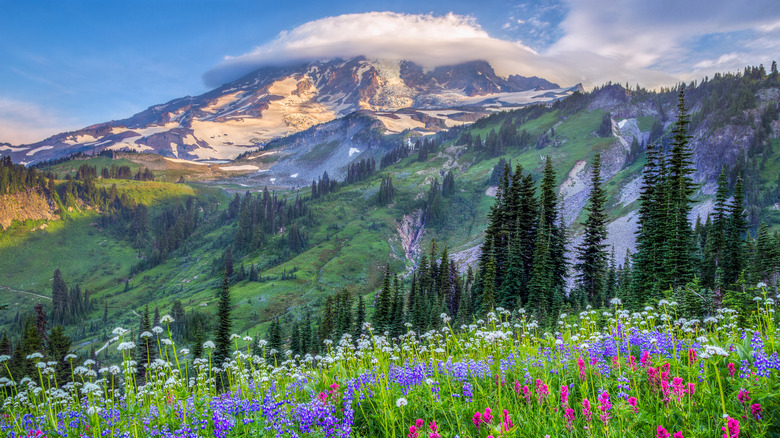
America's national parks invite visitors into rich expressions of what this land has to offer. They are inspirational and provide endless opportunity for adventure — that is, if you can get into them. Getting to these parks isn't always as serene as the scenery. Millions of visitors explore the parks system each year, creating hurdles like congestion, jammed parking lots, packed trails, and a lack of solitude. Budget cuts and constraints of the park systems have strained the situation, leading to understaffed ranger stations and delayed maintenance, which can turn things into a nightmare. A few iconic parks are ditching these systems and betting on different crowd-control tactics to keep operations in good shape. Mount Rainier National Park in Washington is the latest to join this trend, announcing early in 2026 that it will not continue to enforce timed entries for the year.
Many popular parks use timed reservation and permit-based entry systems. These confusing reservation setups, like the one for Yosemite, require visitors to book specific entry windows or secure permits ahead of time for popular trails and campgrounds. All of this with the goal of spreading out the crowds, preventing gridlock at entrance gates, ensuring parking availability, and protecting the parks' fragile ecosystems. Without these systems, overtourism could erode trails and disturb wildlife, taking away from the very experiences nature-loving visitors are seeking.
These systems were put in place a handful of years ago, but lately a shift has been underway. Mount Rainier's decision echoes moves made by other heavy-hitters like Arches and Glacier National Parks, which have turned away from entry requirements for peak periods, allowing for more spontaneous and flexible adventures during peak seasons.
What you need to know about the entrance changes at Rainier
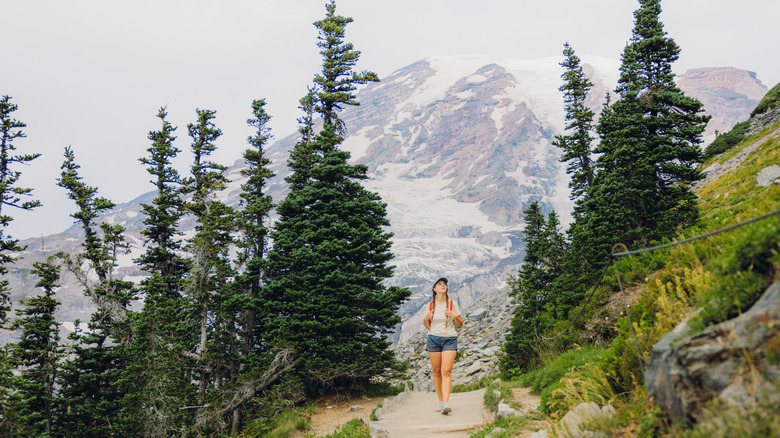
In the heart of Washington State, Mount Rainier National Park boasts a stunning 14,410-foot volcano as its centerpiece, surrounded by old-growth forests, alpine meadows, and beautiful wildflowers. It is a magnet for hikers, climbers, and nature enthusiasts, but popularity has a price. In 2024, the park kicked off a pilot program for timed-entry reservations at key entrances during busy seasons. Visitors had to snag a slot online for a specific two-hour window, with the hopes of cutting down on massive backups at entrance gates. The setup aimed to address real issues but led to multiple hour-long wait times at entrance gates, overfilled parking lots, packed trails, and crushed wildlife.
In 2025, officials changed the program, scrapping reservations at the Nisqually entrance near Ashford to test lighter restrictions. The park welcomed about 2.4 million visitors that year with a total of 941,000 vehicles rolling in, per National Park Service (NPS) data highlighting the importance of crowd management. Peak season usually runs through summer, and Mount Rainier is one of the best national parks to visit in August.
Come 2026, Mount Rainier is fully stepping away from timed entries for park entrances. The hope is that removing these reservations will reduce blocks at gates. Instead, park rangers will use other traffic management strategies. The park leaders haven't pinpointed a single reason for the shift, but they are emphasizing a desire to welcome more visitors while protecting the natural resources of the park. So far, there aren't any clear indicators of how this will play out, and summer will be the true test. For visitors planning a summer trip, there won't be the stress of having to make and keep your specific reservation time.
Tips for visiting Rainier
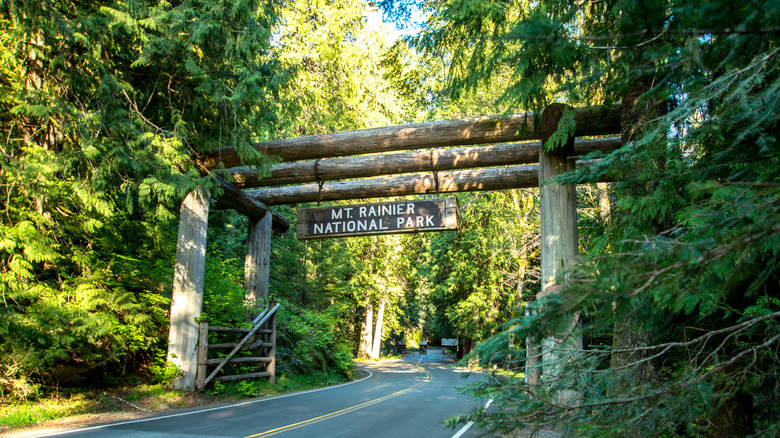
If Mount Rainier is on your West Coast bucket list, park rangers have a few tips to keep in mind. Start by going to the official National Park Service website for maps and the latest on conditions and road closures. The NPS reminds visitors that timing is still important. If you can arrive before 7 a.m. or after 4 p.m., you just might dodge peak rush hour, meaning no waiting at entrance gates. Weekdays will have lighter traffic than weekends and holidays, so aim for those if you can. They also recommend having a backup location in case your top spot's parking lot is full, which it very well could be; lots are small and visitation is high.
Mount Rainier has five different entrance gates, all leading to various areas of the park. It is important to go to Rainier with a plan, know the correct entrance gate, and have a backup plan. Cell service within the park is spotty at best, meaning it might not be easy to navigate if you get turned around. Map your route ahead of time and consider picking up a paper map from a visitor center.
Also, stick to the speed limit. Take it slow and never block the roads for wildlife. Always check the forecast prior to heading in, and bring layers in case it changes — the weather can be highly unpredictable in the mountains. Pets aren't allowed on trails and can't be left in cars, so it's easiest to leave Fido at home. Always embrace the Leave No Trace Principles to leave these natural wonders better than when you found them.