

Why Rick Steves Cautions Travelers To Be Aware Of Prices When Visiting Europe In 2026
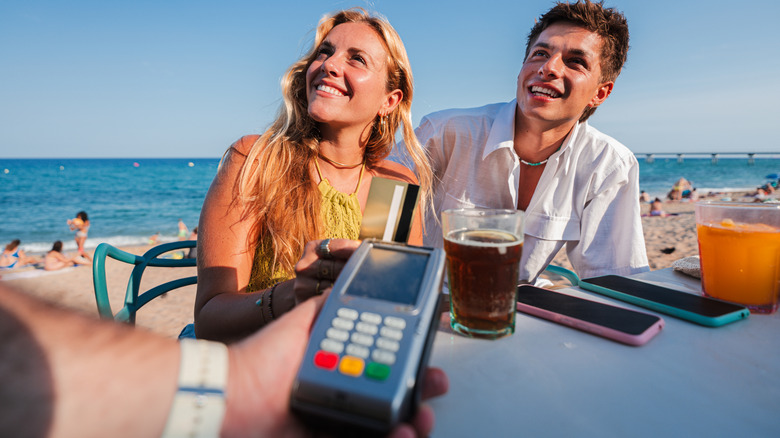
Saving up for months on end so you can finally take that dream holiday to Europe, only to discover that your budget barely covers flights and accommodation, is frustrating to say the least. Skyrocketing prices have put a dent in your travel plans, and that's before you even reach your destination. Unfortunately the charges continue once you arrive. Travel expert Rick Steves has commented on the rise of travel costs in 2026 on his website. As he points out, "As Europe gets more crowded, many 'overtouristed' locations are increasing prices...in a variety of ways." From tourist taxes and entry fees to dynamic and dual pricing, what's in store if you're traveling to Europe in 2026?
As record numbers of travelers descend on popular destinations, the effects of overtourism are taking their toll, especially in European cities with the biggest crowds. Cities are looking for new ways to cope with these crowds, protect historic sites, and avoid lasting environmental damage. Tourist taxes are one of the main methods many cities rely on to maintain tourist attractions and protect historic places. These charges are usually added to overnight stays and can be anything from a few cents to several dollars per person per night, depending on the destination. While rates are higher for a stay in luxury hotels, some cities, like Edinburgh, plan to charge for a set number of nights only, encouraging visitors to stay longer. But these tourist taxes are rising in 2026 – Barcelona's have almost doubled in an attempt to reduce visitor numbers.
New tourist charges appearing across Europe
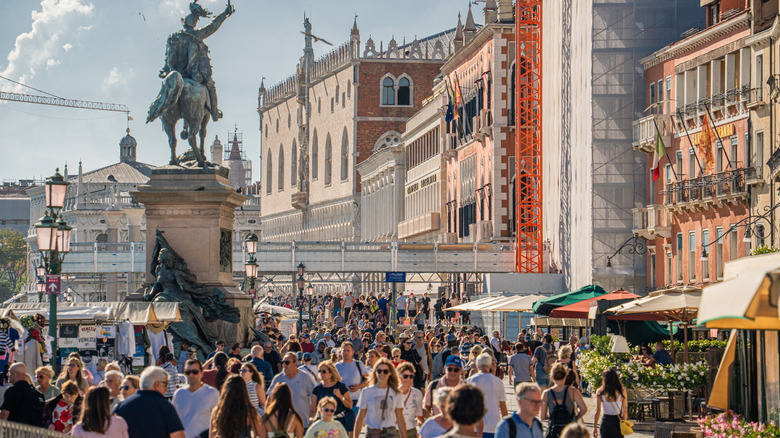
Elsewhere in Europe, cities are looking at other ways to manage growing visitor numbers. In 2024, Venice introduced an entry fee in an attempt to reduce heavy crowds and deter day visitors. While this fee was only applicable on certain dates during peak season, the system proved to be confusing and it's debatable whether it actually discouraged tourists. However, the day-tripper fee will return in 2026 at a charge of around €5 and should be reserved in advance through the dedicated website, unless you want to end up paying double.
In the U.K., many of the most popular historic houses and gardens around the country are managed by the National Trust. Traditionally there has been a fixed-price entry fee to these properties. But in an attempt to control high visitor numbers, dynamic pricing has been introduced. This means higher charges on peak days and reduced rates for those who book ahead. Although this may seem unfair, as Steves explains on his blog, "While charging more can feel greedy at first, the goal here is to encourage more 'balanced' tourism, by shifting visitors from the busiest times to quieter ones and evening out the crowds, to give you a better overall experience." Dual pricing is another policy you'll begin to see more often. Non-EU residents have already begun paying higher entry fees in some European cities, with places such as the Louvre Museum in Paris already charging non-European visitors 45% more than EU residents.
Ways to keep travel costs down in Europe

There are, of course, ways you can make your hard-earned cash stretch a little further when you visit Europe's most budget-friendly travel destinations. Being more selective on where you go can make a big difference. Less touristy places generally charge less all round than popular countries being plagued by overtourism. There are even some cities that still have no tourist taxes at all, such as Munich, Madrid, and the island of Cyprus. It also pays to choose the day you visit attractions wisely. As seen at the National Trust properties, lower entry prices are available if you book during the week, rather than on weekends. This also means fewer crowds and shorter lines. Plus, you're likely to find cheaper flights and accommodation if you travel off-season.
City passes are good value if you're planning on visiting several museums or landmarks. You'll often find that public transportation or skip-the-line access comes with some of them, such as the Paris Museum and Metro Pass or the Roma Pass. It's also worth checking out museum websites before you go, as many European museums offer free entry on certain evenings or days of the month. City passes are a great excuse to stay longer in one place, giving you the opportunity to explore deeper while saving on tourist taxes such as entry fees. Self-guided walking tours are perfect for longer stays and cost way less than sightseeing tours. And if you're planning on traveling through several European countries, a rail pass could save you a considerable amount in travel costs. The Eurail Pass gives non-European residents unlimited train travel through 33 countries for a set number of travel days over a period of up to three months.