

Atlanta's Iconic Mansion Is Full Of History And Scenic Gardens
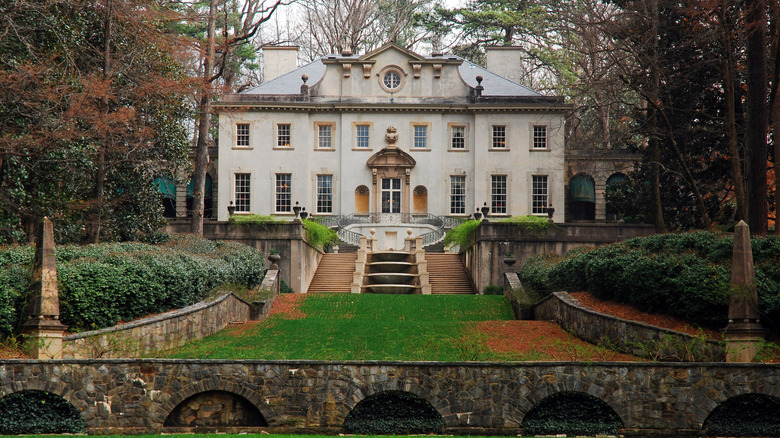
If you're looking for an escape from the hustle and bustle of downtown Atlanta, head to Swan House, one of the city's most photographed historic estates. Located on the grounds of the Atlanta History Center in the Buckhead neighborhood, this elegant hilltop mansion is one of the finest surviving examples of 1920s elite Southern residential design and provides a fascinating glimpse into the decadence of the Jazz Age. Designed by renowned architect Philip Trammell Shutze, the house and its gardens were completed in 1928 for Edward and Emily Inman, members of one of Atlanta's most prominent post-Civil War families. With no expense spared, the couple created a luxurious home that reflected their wealth and social status. They then called upon the skills of interior designer Ruby Ross Wood to compliment the Italian Renaissance and Classical English architectural features Shutze incorporated into Swan House.
Unfortunately, Edward didn't live long enough to enjoy the full grandeur of the estate, dying just three years after its completion. Emily continued to live there until her death in 1965, after which it was sold to the Atlanta Historical Society. Lovingly preserved with most of its original furnishings, the mansion opened to the public in 1968. Listed on the National Register of Historic Places, the mansion sits atop a multi-terraced hill, and amongst its many stunning features are twin curved stone staircases, formal box-hedged gardens, and cascading fountains. If the regal glamour of the place seems familiar, you may recognize it from the "Hunger Games" franchise, specifically the films "Catching Fire" and "Mockingjay — Part 1," where it stood in for the Presidential Palace.
Exploring Swan House and its gardens
Wandering around the house and grounds of Swan House feels like stepping back in time to an age of prosperity, just before the Great Depression changed the country. At the time the house was built, Buckhead was quickly becoming Atlanta's most exclusive residential estate, where rural tranquility met city living. Corinthian columns, elegant stonework and immaculate symmetrical façades sit harmoniously within the landscape. Philip Trammell Shutze cleverly designed Swan House to draw the eye naturally down through the terraces and cascading fountains. The curving stone staircase slopes towards sweeping lawns and the woodland beyond. Arched loggias look over the gardens as a nod to the grand Italian villas that inspired the design. Paths lead past fountains, pools, and hidden rose gardens, making the grounds a natural extension of the architectural layout of the house.
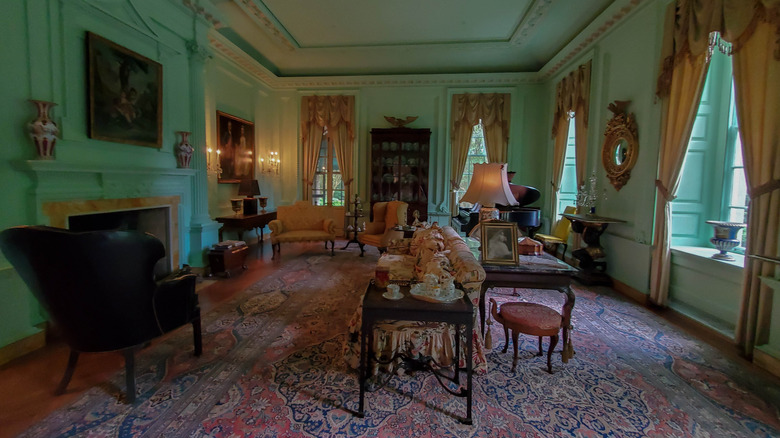
The interior is just as exquisite. With its grand staircase, rich wood paneling, decorative moldings, and period furnishings, there is luxury in every detail. As you explore the house and grounds, you'll find swan motifs everywhere. Said to have been a favorite of Emily Inman, the design began with a set of swan-necked dining tables, and eventually made its way into much of the architectural detailing that gave the house its name. With such a spectacular backdrop, it's no wonder Swan House hosts a number of special events throughout the year. You can even get married here or host a dinner party in the grounds with space for up to 750 guests — flapper dresses and sharp suits are a must, of course.
Planning a visit to Swan House, Atlanta
Swan House is located on the 33-acre grounds of the Atlanta History Center on West Paces Ferry Road in Buckhead, meaning access is through the main entrance to the campus. There is free onsite parking available. If you're using public transport, MARTA — Atlanta's rail and bus network — will get you fairly close to the site, with bus connections from Buckhead Station. Entry is $27 for adults, and opening hours are from 9 a.m. to 4 p.m. Tuesday through Sunday. This gives you entry not just to Swan House but to the rest of the award winning exhibitions, historical buildings, and formal gardens.
If you plan to explore Swan House at your own pace, allow around two to three hours for the visit. If you're interested in diving more into the history, you can also take a guided group tour led by the historic house manager. Private tours cost around $125 for a 30-minute tour. To see the gardens at their best, consider visiting in spring when everything is in bloom. If you're a keen gardener, the Atlanta Botanical Gardens are also worth a visit down in Midtown.
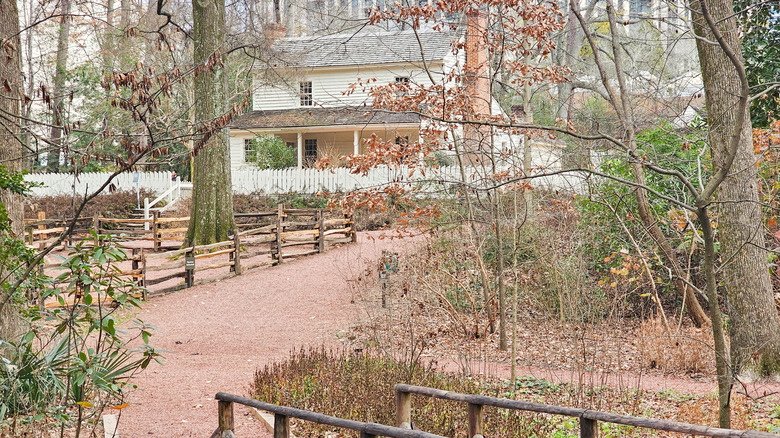
While on the Atlanta History Center campus, give yourself time to check out the Smith Family Farm, Atlanta's oldest surviving farmhouse. As you walk through the house and grounds, learn more about what life was like for the enslaved people who worked there. Or check out the Cyclorama exhibit, a 49-foot tall panoramic painting depicting The Battle of Atlanta, and the largest painting in the U.S. For more things to do and see in the ATL, check out our list of Atlanta's top local-approved tourist hotspots (and make sure to avoid Atlanta's biggest tourist traps).