
American Tourists Are Ditching Montreal For An Up-And-Coming Destination In 2026
Montreal has long captivated American travelers with its incredible blend of cultural influences, making it a Canadian tourist destination for those yearning for a taste of Paris without having to cross the Atlantic. Found in the province of Quebec, this vibrant metropolis combines French heritage with North American energy and natural beauty, luring in many for its attractions. People love strolling along the charming cobblestone streets of Old Montreal and exploring the world-class museums. The city's food scene is inspired by cuisine from all parts of France alongside fresh and local produce, and the nightlife thrives on avenues like St. Laurent Boulevard where bars and clubs bounce with energy. Historical sites, quaint cafes, and art galleries round out this thriving city, making it a longtime favorite for U.S. visitors.
Yet recent trends indicate a shift, with American tourism in Montreal experiencing a noticeable decline. In 2025, the numbers dropped by 5%, according to reports from Tourisme Montréal (via CBC News). It seems that perhaps instead of going to Montreal, U.S. visitors are flocking to Alberta, as Travel Alberta reports a nearly 5% increase in American visitors in 2025. This stands in contrast to the national average, where Canada saw a 6% decrease overall in U.S. visitors. This surge aligns with Alberta's strategic push to bring in visitor economy, aiming for $25 billion by 2035. In 2025, visitor spending in Alberta reached a record high of $15.2 billion, up 6% from the previous year.
Alberta is located in western Canada, bordering British Columbia to the west and Montana to the south. Travelers can choose to fly into major international airports like Calgary (YYC) or Edmonton (YEG). For road trippers, there are numerous border crossings along the Montana border for a convenient entry. As a four-season destination, there is no bad time to visit.
Why Alberta is great for U.S. travelers
Alberta is an increasingly appealing option for American tourists as it offers practical advantages that enhance travel. Take the favorable exchange rate as a prime example: The U.S. dollar can be stretched further against the Canadian dollar with the current exchange rates, and visitor costs are generally lower in Alberta versus Quebec. This means visitors can afford extended stays, upscale dining, or premium excursions without straining their budgets. Those pined-for spa treatments or outdoor adventure excursions are now more accessible, and allow U.S. visitors to indulge in luxuries that might feel extravagant otherwise, creating a budget-friendly Canadian destination.
Accessibility is another major advantage for Americans, as Alberta shares the border with Montana. The convenience of driving straight across the border via five different border crossings makes it extremely approachable for those who want to bring their own car. Plus, there are direct flights from various U.S. hubs to the main airports.
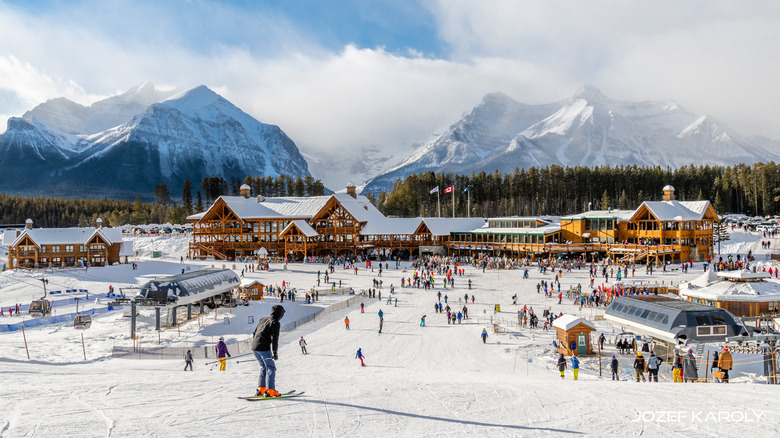
The province's year-round appeal caters to the masses as well, offering those with diverse needs and interests a chance to cash in. Winter enthusiasts can enjoy the world-class skiing, or chase the northern lights. Mountain sport athletes and hikers will appreciate spring and fall where the national parks come alive with endless adventures. Summertime is the perfect chance to take a dip or a paddle in the many alpine lakes.
Alberta's expansive landscapes provide travelers with a refreshing escape from overcrowded destinations. Canada has one of the lowest population densities in the world, with a population density of about 10 people per square mile, which is significantly lower than America's average of 93 people per square mile. Visitors can enjoy an authentic and immersive experience, making it ideal for those on the hunt for a reset vacation.
Must-have experiences in Alberta
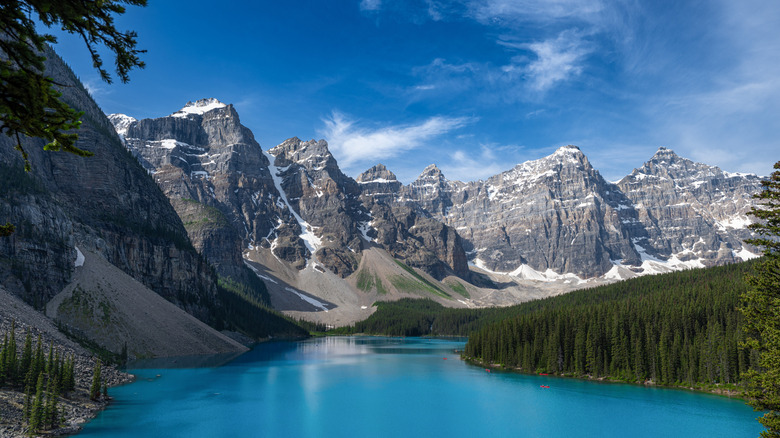
With six UNESCO World Heritage Sites and two bustling cosmopolitan cities, there are far too many unforgettable experiences in Alberta to list them all here. The province's crown jewel for outdoor adventures is the Rocky mountains, which encompasses seven different parks, four of them national parks: Banff, Jasper, Kootenay, and Yoho. These parks feature towering rocky peaks, picture-perfect turquoise lakes, ancient glaciers, and deep forests asking for exploration. Visitors can hike challenging trails, bike through valleys, climb rugged cliffs, or backpack into remote wilderness. A stunning road trip along the Icefields Parkway connects these wonders and offers drool-worthy vistas and a chance to see all these jewels in one.
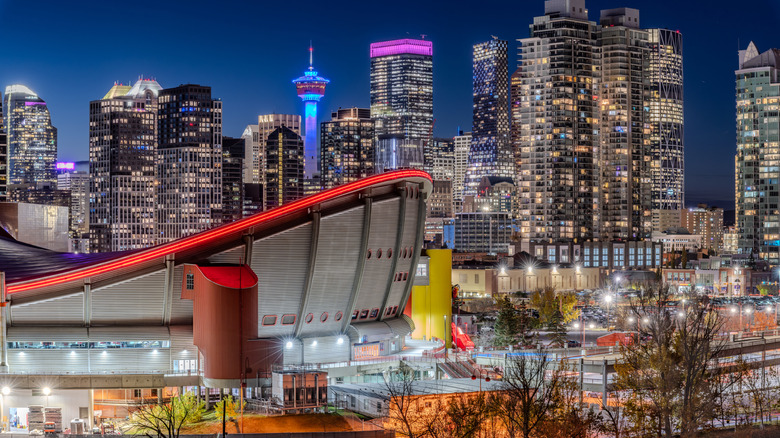
Beyond the mountains and the outdoors, Alberta's major cities, Calgary and Edmonton, provide urban oases. Calgary, the province's largest city, mixes metropolitan energy with outdoor access. Think of it like the Denver of Canada. It's framed by the Rocky Mountains and brags about more than 300 days of sunshine. Its historic downtown along Stephen Avenue is lined with well-preserved sandstone buildings. Walkable neighborhoods are sprinkled with boutique shops and progressive eateries that showcase local and cultural agriculture. The nightlife comes alive in SoDo, with bars, dance halls, and restaurants staying open late. The annual Calgary Stampede is a world-famous rodeo and festival that captures the city's cowboy spirit that shouldn't be missed.
Edmonton is the capital, and serves as a gateway to the northern adventures of the province. Its river valley is full of trees and empty of people. The city hosts more than 50 festivals a year, from comedy and film events to the massive Edmonton International Fringe Theatre Festival. Sports fans shouldn't miss an Edmonton Oilers hockey game at Rogers Place, a quintessential Canadian pastime.