

TSA Is Catching Heat For This Shameless Behavior That Outrages Travelers
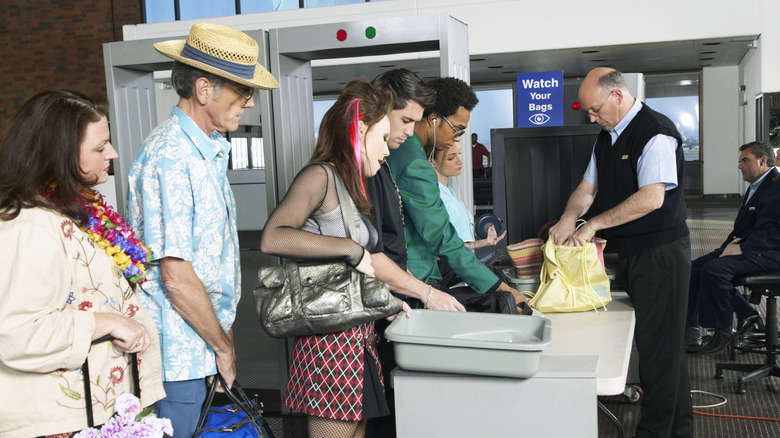
Most travelers know the drill at airport security: shoes off, laptops out, and liquids in a clear bag (including some bizarre items the TSA considers to be a liquid). And while you're used to taking loose change out of your pockets before stepping through the scanner, you might want to think twice before carrying cash at all. It's not just the risk of another passenger "accidentally" taking your wallet out of the wrong screening bin — the TSA itself might confiscate your money.
According to a New York Post report, more than 10,000 travelers have had money taken during airport encounters since 2014, often without ever being charged with a crime. One of the most notable examples involves a woman named Rebecca Brown, who was traveling domestically through Pittsburgh International Airport in 2019 with about $82,000 in cash. The money, her father's life savings, was intended to be deposited into a joint bank account. However, she was questioned during TSA screening, and law enforcement officers ultimately seized the cash.
After months of working with lawyers to resolve the situation, she got the money back, but Brown was outraged and still argues that the seizure violated her constitutional rights. The case launched a broader class action lawsuit with other victims of cash seizures, and the controversy raises an unsettling question: If it's legal to carry cash through the airport, when can the TSA actually take it? Well, TSA agents don't actually have the authority to legally seize any money, but they can refer travelers to law enforcement like DEA officers on-site, who can then detain passengers and confiscate cash. Rebecca Brown and other critics argue this stretches or even exceeds TSA's authority under the Fourth Amendment, which protects against unreasonable searches and seizures.
Why your cash might be seized at the airport
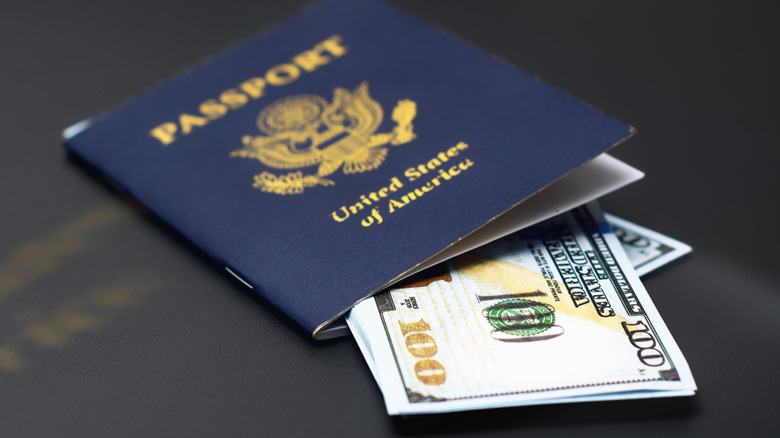
From a security standpoint, cash itself is not dangerous, but it may raise suspicion of criminal activity — most commonly drug trafficking or money laundering. You've likely had to tick the "no" box when filling in an international customs form asking if you're traveling with more than the value of $10,000 USD in any currency. That doesn't make traveling with cash illegal, but you do have to declare it when leaving or entering the United States.
When it comes to domestic travel, there is no rule that outlines how much cash you can bring through TSA, and no declaration form. So technically you are legally allowed to carry any amount of cash on a domestic flight, but carrying large sums can attract scrutiny. As for what defines a "large sum," Dan Alban, a lawyer with the Institute for Justice representing the plaintiffs in the class action lawsuit, told CBS News, "In some of the TSA depositions, they said as little as $100 in 100 one-dollar bills would still count as a large amount of currency."
The Transportation Security Administration exists to protect the country's transportation systems, not to conduct general criminal investigations. So, a large amount of cash may flag your bag for further inspection, but once screening confirms there are no prohibited items or threats to security, you should be able to proceed to your gate with your money. Make sure you avoid these 12 airport dos and don'ts to make security a breeze.
What to do when carrying cash through TSA
Ideally, you should avoid going through TSA with large sums of cash to reduce the risk of seizure, even when traveling domestically. While checks may still raise some questions, they attract less attention than stacks of cash. However, you should also avoid actively trying to conceal cash.
If you feel like you're being treated unfairly, arguing with TSA is unlikely to get you anywhere in the moment and may escalate the situation. Remain calm and consistent when answering questions. Know exactly how much you are carrying and be prepared to explain why. Traveling with documentation — such as withdrawal slips, inheritance letters, or bank records — can help defuse suspicion.
If TSA or law enforcement officers at the airport confiscate your cash, document as much as you can. Note the officer's name and badge number, request a Custody Receipt of Seized Property Form (6051S) if they don't provide one, and do not sign a waiver abandoning your cash. Like Rebecca Brown and other victims of cash seizure at the airport, you may need to consult with a lawyer to get your money back. You may also think twice about bringing large sums of cash through TSA to reduce the risk of outright theft.