

This Lesser-Known Florida State Park Boasts Unspoiled Beaches & Unique Manatee Encounters
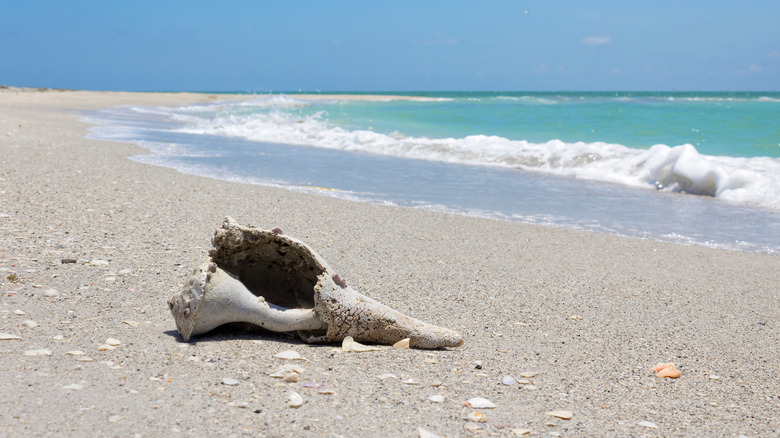
If miles of white sand surrounded by turquoise waters are your idea of paradise, Cayo Costa State Park on Florida's Gulf Coast is the perfect secluded slice of paradise. With stretches of remote, palm-lined beaches, this relatively unknown barrier island is a haven if you're seeking nothing but peace and solitude. Cayo Costa, meaning "key by the coast," forms part of a chain of barrier islands that stretches south from Boca Grande. It lies about 10 miles west of Fort Myers and is only accessible by boat, which means you're unlikely to scramble for space on its 9 miles of unspoiled beaches and around 2,400 acres of uninhabited terrain, covered with pine forests and mangrove swamps.
Evidence shows that the island was home to the Indigenous Calusa people around 4,000 years ago. Large mounds of debris and shells left behind have helped archaeologists understand how they lived. In the early 1800s, Cuban fishers established camps here and by the early 1900s, families had made Cayo Costa their permanent home, even constructing a school, post office, and grocery store. The last permanent residents left in the 1950s, and in 1976, the state park was officially established. Today, all that's left of the once thriving community is the remains of a cemetery. Now a protected island, Cayo Costa is one of the best state parks to visit in Florida, drawing visitors for its unspoiled beaches and the chance to get up close to its unique wildlife, including manatees and sea turtles, along the shoreline or from the island's trails.
How to get to Cayo Costa
The only way to get to Cayo Costa State Park is by boat or kayak. Ferry services are currently unavailable due to significant damage done to the docks, tramlines, and most other amenities by Hurricane Ian in 2022. The park is open daily from 8 a.m. until sunset, but for now, overnight camping is not allowed. One of the best ways to get there is from Bookelia on Pine Island, where you'll find regular charters. Boats also leave from Boca Grande, Port Charlotte, and Punta Gorda. You can land directly on the beach with a $2 fee, which you put in the honor box by Pelican Bay, where the old ranger station and docks were on the island's east side. If you're feeling particularly adventurous, not to mention energetic, the Great Calusa Causeway is a 190-mile kayak trail that takes you through coastal waters and inland tributaries from Estero Bay up to the Caloosahatchee River and includes Cayo Costa as a scenic stopover.
There are plenty of activities on the island too. The surrounding waters are ideal for swimming, snorkeling, and scuba diving, and some of the boat charters also offer fishing trips if you're hoping to catch snook, redfish, or trout. The beaches offer some great shelling, with whelks, sand dollars, and other washed-up treasures regularly found along the shoreline. For keen hikers, there's a network of walking trails across the island. Check out the easy 2.4-mile Cayo Costa Loop Trail or the more challenging 8.6-mile Quarantine Docks Loop Trail. You can bring your dog to Cayo Costa State Park to help you explore as long as you keep them on a leash and don't wander onto the beach.
Get up close to Florida's unique wildlife at Cayo Costa State Park
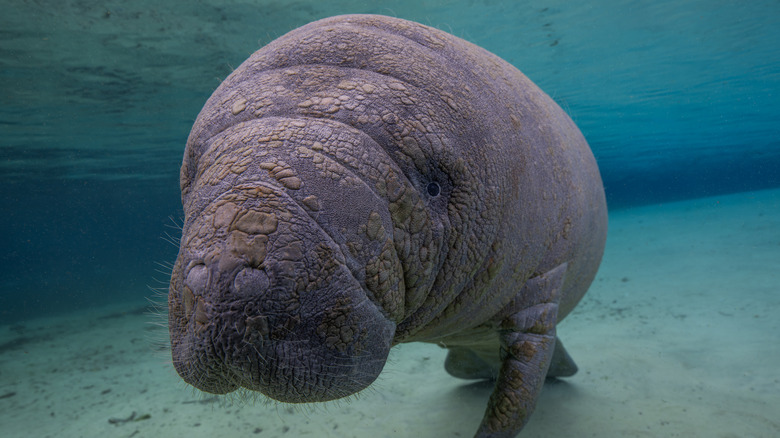
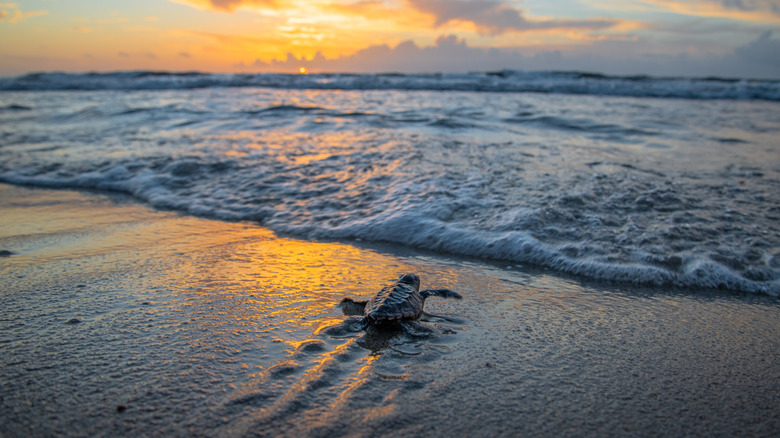
Manatee encounters are one of the main reasons people visit Cayo Costa, and this Florida destination is a paradise for wildlife lovers. You can join a boat tour, jet ski, snorkel, or swim for an opportunity to have a close encounter with a manatee. On the east side, the warm coastal waters and shallow lagoons provide the ideal environment, with one lagoon even called Manatee Hole. These gentle giants are protected under federal and state law, along with the four species of sea turtles found here. Hawksbill, green, Kemp's, and the more common loggerhead turtles use the island as a nesting site. During nesting season, park rangers and volunteers protect the nests and hatchlings from predators like raccoons and foxes. The best time to see the turtles is in mid-summer, and you may also be lucky enough to see bottlenose dolphins offshore.
The island's mix of lagoons, mangrove swamps, and pinewoods also makes it an ideal place for birdwatching, and because of its location, it's a stopover for spring and fall migrants. Look out for wading birds like snowy egrets and roseate spoonbills, while brown pelicans scan the shoreline. You might even spot plovers, warblers, or the colourful painted bunting. With little in the way of amenities on the island due to hurricane damage, you'll need to bring your own supplies and plan to take everything away when you leave. You won't find much shade, so make sure you take sunscreen and be prepared for an abundance of pesky mosquitoes. For another quiet escape in Florida, visit Caladesi Island State Park.